Opening
On the outskirts of Central New York, where winter light settles gently over wetlands and quiet roads, the future has begun to arrive with a low mechanical hum. It is the sound of ambition measured in wafers, jobs, and national strategy but also the sound of land being asked to change its purpose. In this place, where seasons have long dictated the rhythm of life, a question now lingers softly in the air: how does progress introduce itself without forgetting where it stands?
The promise of a sprawling semiconductor campus carries with it a sense of inevitability, as if history itself were nudging the soil forward. Yet even inevitability, when it meets the earth, must pause to listen.
Content
That pause arrived in the form of a lawsuit filed just as Micron Technology marked the ceremonial beginning of construction on its planned chip fabrication facilities in Clay, New York. The legal challenge does not reject the idea of technological growth outright. Instead, it asks whether the environmental review process the careful accounting meant to balance development with stewardship was sufficiently complete for a project of this scale.
Those bringing the case speak of wetlands that filter water quietly, of forests cleared not in defiance but in haste, and of industrial processes whose long-term effects deserve more than a passing glance. Semiconductor manufacturing, by its nature, requires significant resources: water drawn and treated, chemicals handled with precision, emissions carefully managed. The concern, as expressed in court filings, is not novelty, but magnitude.
Micron and state authorities, for their part, point to years of studies, permits, and public comment periods. They frame the project as both compliant and consequential a cornerstone of domestic manufacturing, positioned to strengthen supply chains and anchor economic growth for decades. In this telling, the campus is not a disruption, but a continuation of policy, planning, and national intent.
Between these two perspectives lies a landscape that has no voice of its own. It absorbs both arguments equally: the promise of prosperity and the caution of preservation. The lawsuit asks the courts to determine whether the balance struck so far truly reflects the spirit of environmental law, or whether the scale of ambition demands a deeper accounting.
Closing
As legal proceedings move forward, construction does not immediately fall silent, nor does the conversation reach a final note. What unfolds instead is a familiar American moment where growth, law, and land meet not in confrontation, but in careful examination.
Whether the lawsuit ultimately reshapes the project or simply refines its path, it underscores a quieter truth: that even the most advanced industries must still negotiate their place within the natural world. In Clay, the future is being built layer by layer, while the present asks calmly, persistently to be considered along the way.
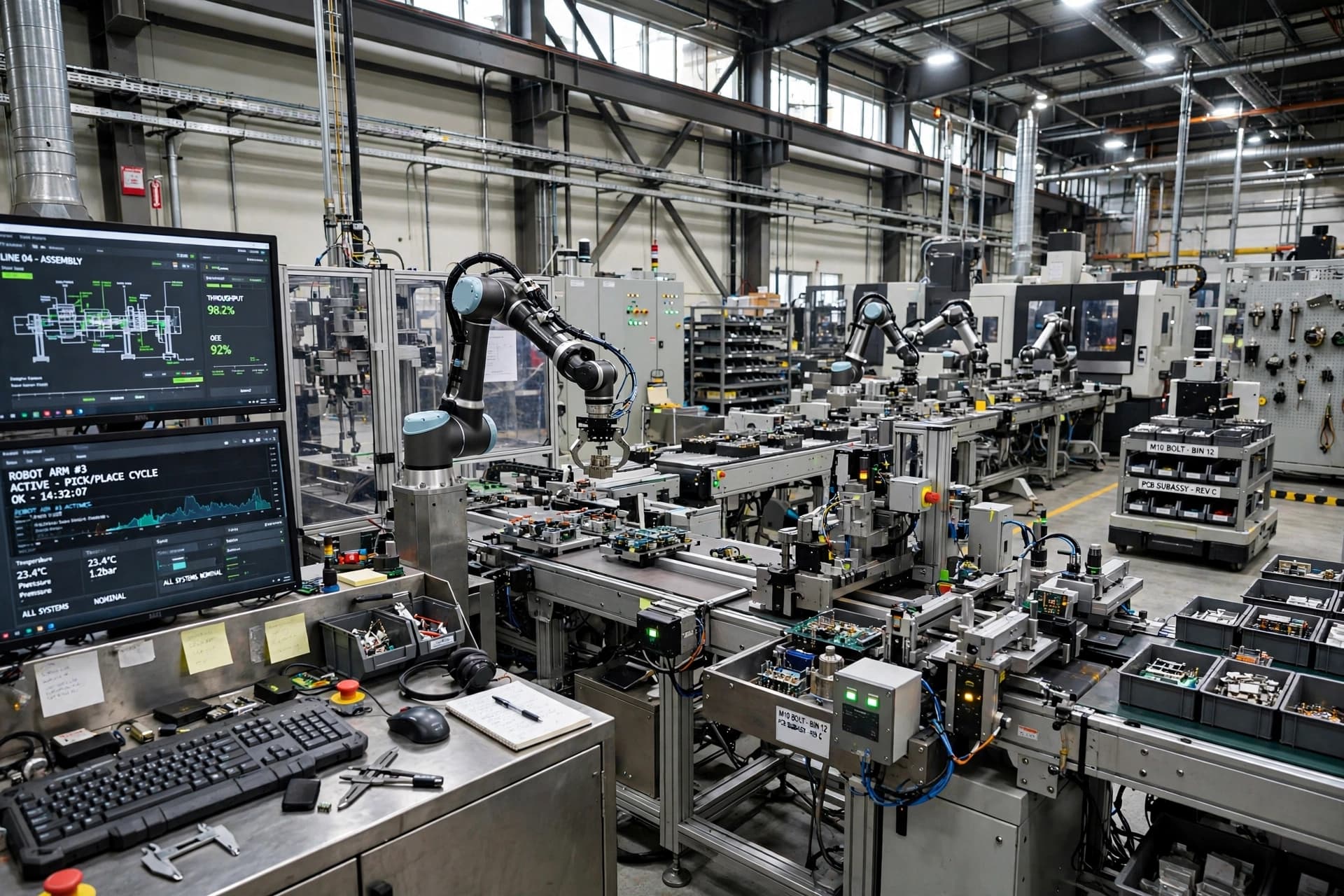
AI IMAGE DISCLAIMER
Graphics are AI-generated visuals intended to conceptually illustrate themes in this article, not actual photographs of events or people.
---
SOURCES
1. Syracuse.com 2. Filmogaz.com 3. NYSDEC environmental notice on Micron permits 4. Daily Orange reporting on environmental review criticisms 5. The Register on Micron groundbreaking after delays
Published by Banx Network. This article is part of the Banx decentralized media programme, powered by the BXE token on the XRP Ledger.