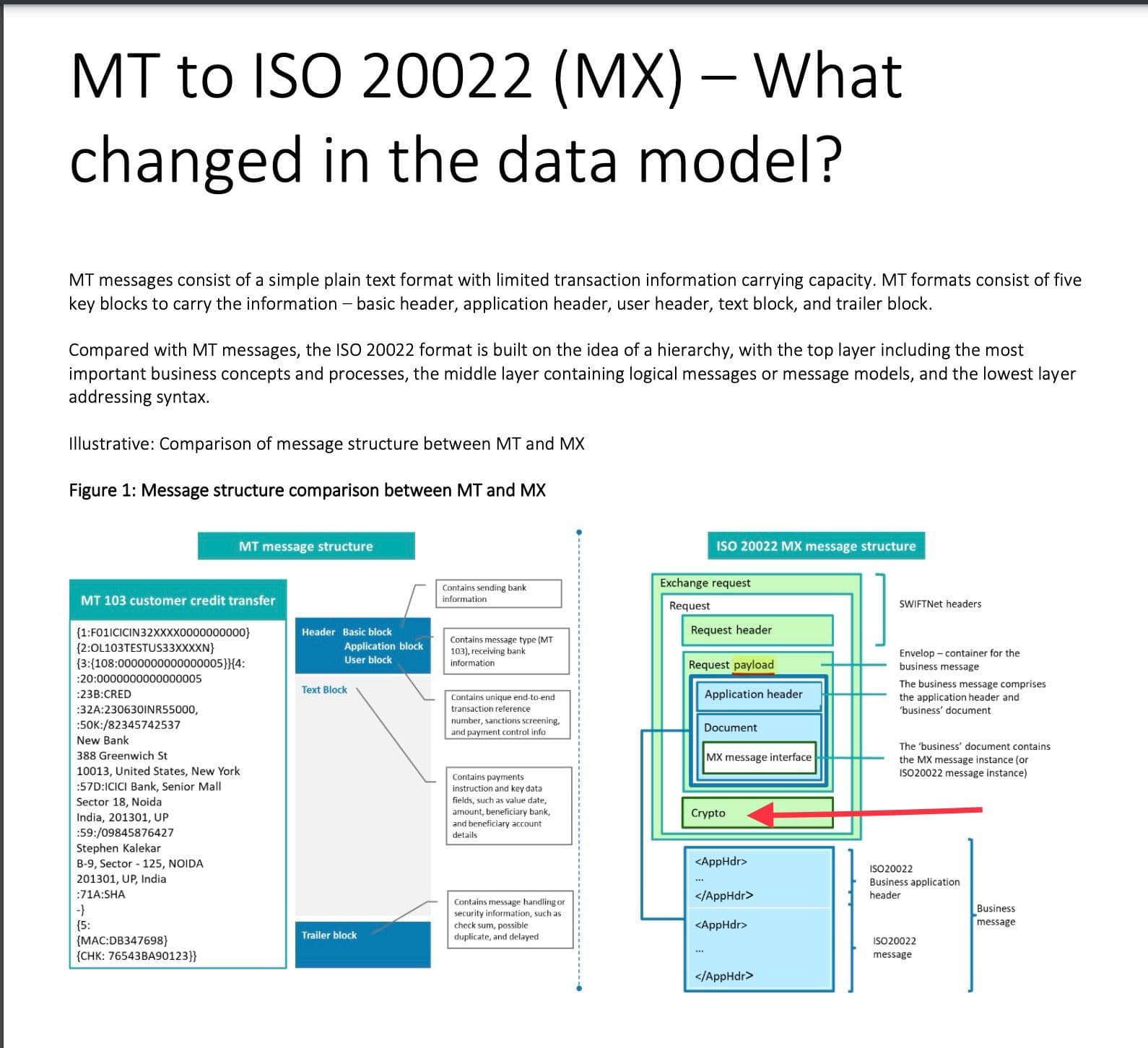
The financial landscape has undergone significant transformations in recent years, driven by technological advancements and shifting consumer demands. One development that stands out as a game-changer is the integration of ISO 20022, a global data model designed to standardize financial transactions worldwide. Dubbed "the new global language" for finance, ISO 20022 (MX) has been gaining traction rapidly, and its latest addition – cryptocurrency support – marks a significant milestone in this ongoing shift.
For those unfamiliar with the term, ISO 20022 is an international standard that enables seamless data exchange between financial institutions, banks, and other stakeholders involved in cross-border transactions. Developed by the International Organization for Standardization (ISO), this global data model has been adopted by numerous countries, including many major players in the finance industry.
One of the key benefits of ISO 20022 is its ability to facilitate instant settlement, allowing for faster transaction processing times compared to traditional methods. This is particularly beneficial for cross-border transactions, where delays can result from differences in time zones, currencies, and regulatory requirements. With ISO 20022, financial institutions can now settle transactions in real-time, reducing the risk of errors and increasing overall efficiency.
The integration of cryptocurrency into ISO 20022 brings additional advantages to the table. As more individuals and businesses turn to digital currencies for their transactions, having a standardized framework in place is crucial for ensuring interoperability and seamless integration with traditional financial systems. By supporting cryptocurrencies within its payload, ISO 20022 enables financial institutions to accommodate this growing demand while maintaining regulatory compliance.
While the adoption of ISO 20022 has brought about significant improvements in transaction efficiency and security, some concerns have been raised regarding data sovereignty. Rich data remains stored on blockchain ledgers, which can raise questions about ownership and control. However, proponents argue that this decentralized approach ensures transparency and security, allowing for greater trust among parties involved.
The impact of ISO 20022 on the global financial landscape cannot be overstated. Major players like Ripple are now running alongside traditional giants like SWIFT, marking a significant shift in the way cross-border transactions are conducted. With its powerful features, including instant settlement, transparent fees, and richer remittance data, ISO 20022 is poised to revolutionize the industry for years to come.
In conclusion, the integration of cryptocurrency into ISO 20022 represents a major milestone in the standardization of global transactions. As more countries and financial institutions adopt this new data model, we can expect to see significant improvements in transaction efficiency, security, and transparency. The future of finance is looking increasingly digital, and ISO 20022 is at the forefront of this revolution.
Published by Banx Network. This article is part of the Banx decentralized media programme, powered by the BXE token on the XRP Ledger.