

Key Highlights
- Location:The Great Pacific Garbage Patch is situated between Hawaii and California.
- Plastic Influx:Between 1.15 to 2.41 million tonnes of plastic enter oceans annually.
- Cleanup Challenges:Over 1.8 trillion pieces of plastic weigh around 100,000 tonnes in the patch.
The Great Pacific Garbage Patch (GPGP), a massive accumulation of marine debris located between Hawaii and California, has become a focal point in discussions about ocean health and plastic pollution. As of May 6, 2026, recent studies reveal that this notorious patch is not just a localized issue but a symptom of a broader global crisis in waste management and plastic consumption. The GPGP serves as a stark reminder of humanity's ongoing struggle with plastic pollution, which continues to escalate at alarming rates.
Current estimates indicate that between 1.15 to 2.41 million tonnes of plastic enter the world's oceans each year. This influx significantly contributes to the growth of the GPGP, which is primarily composed of resilient plastics such as polyethylene and polypropylene. These materials are notorious for their durability, allowing them to drift long distances across ocean currents and accumulate in areas like the GPGP, where they can persist for decades without breaking down.
The implications of this plastic accumulation extend far beyond the visible debris. Recent analyses have shown that microplastics are proliferating within the patch, posing serious risks to marine ecosystems. Marine creatures that ingest these pollutants can suffer from various health complications, which can ultimately impact human populations that rely on seafood for sustenance. The interconnectedness of marine health and human health underscores the urgency of addressing this crisis.
Moreover, the GPGP highlights significant inadequacies in global policies regarding plastic use and pollution. Many governments have failed to implement effective regulations to curb plastic waste production, allowing pollutants to accumulate unchecked. This systemic issue calls for immediate attention and a reevaluation of how societies approach plastic consumption and waste management.
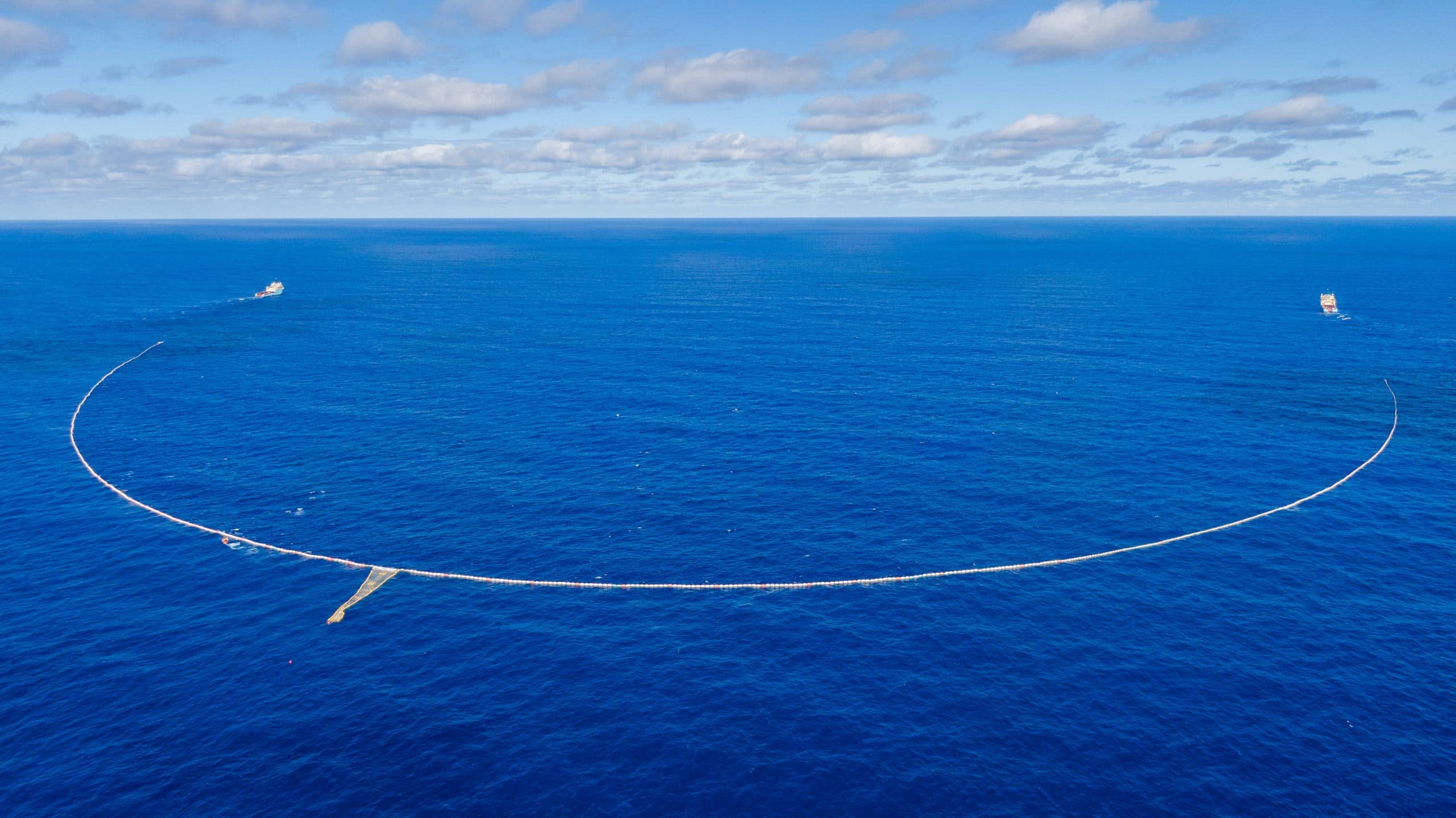
Efforts to clean up the GPGP are underway, with organizations like The Ocean Cleanup leading initiatives to remove plastics from the patch. However, these efforts face significant challenges due to the sheer size of the patch and the continuous influx of new debris. The organization estimates that over 1.8 trillion pieces of plastic currently weigh approximately 100,000 tonnes, presenting a daunting challenge for any cleanup strategy.
Addressing the crisis of the Great Pacific Garbage Patch requires a multifaceted approach. This includes reducing plastic production, improving waste management systems, and increasing public awareness about the environmental impacts of plastic. As the world contemplates innovative solutions to this pressing issue, the survival of diverse marine species and the overall health of the oceans depend on tackling not only the visible consequences of the GPGP but also the systemic problems that contribute to its existence.
Published by Banx Network. This article is part of the Banx decentralized media programme, powered by the BXE token on the XRP Ledger.




