

Key Highlights
- Russia may halt energy supplies to Europe, impacting LNG markets.
- Europe has diversified energy sources but faces potential supply shocks.
- The geopolitical landscape is shifting as Russia seeks to regain control.
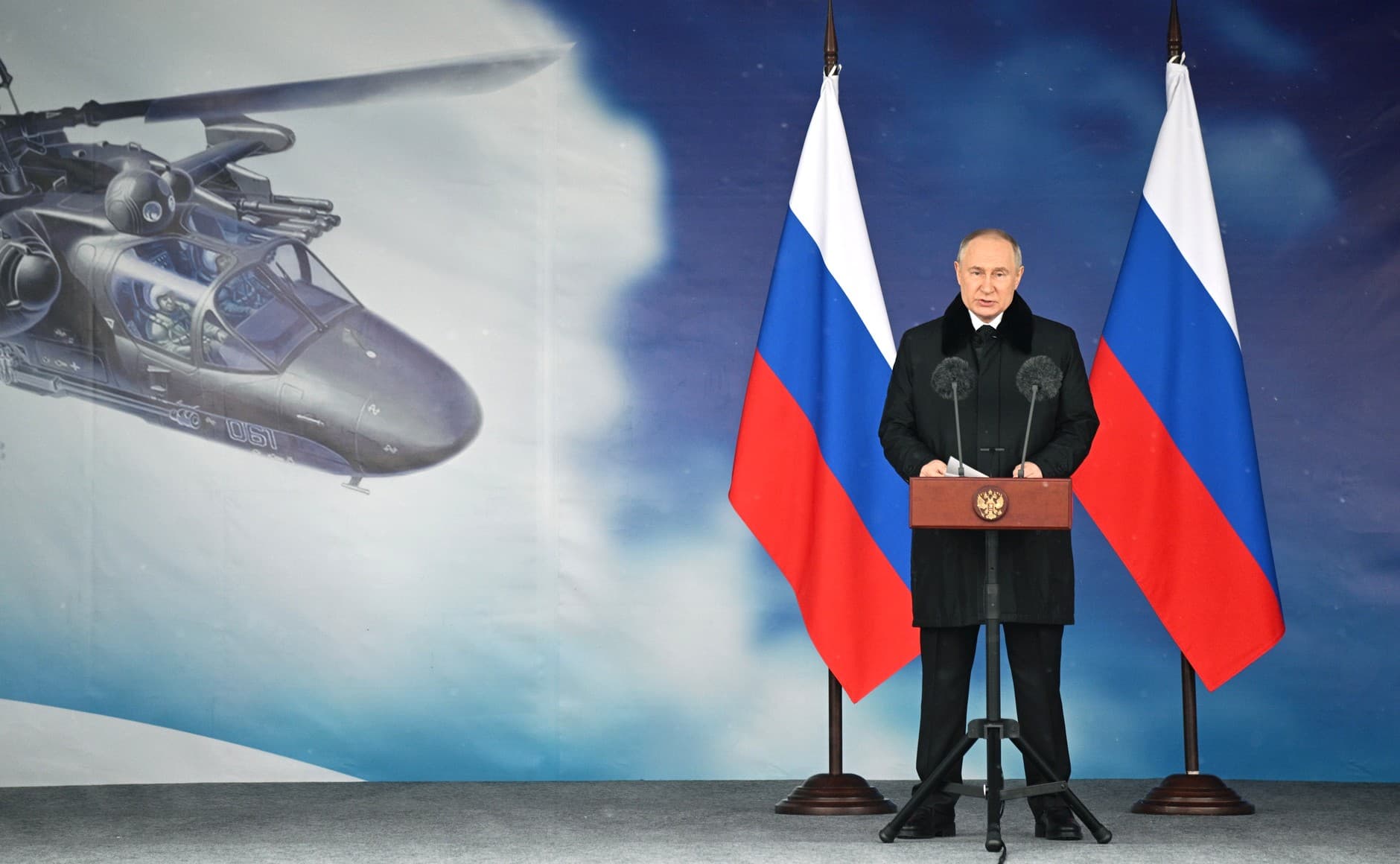
In 2026, the geopolitical landscape has intensified, particularly regarding Russia's energy strategy towards the European Union. Recent statements from President Vladimir Putin indicate a potential total cessation of energy supplies, including Liquefied Natural Gas (LNG), to Europe. This move is not merely a reaction to ongoing sanctions but represents a strategic shift aimed at exerting economic pressure on the EU.
Historically, the energy relationship between Russia and the EU has been characterized by a complex interdependence. Europe has relied heavily on Russian energy supplies to meet its heating and industrial needs, while Russia has depended on the revenue generated from these exports to support its economy. However, the Kremlin's recent rhetoric suggests a departure from this longstanding dynamic. By contemplating a preemptive halt to energy supplies, Russia aims to regain the initiative in this high-stakes game of economic chess.
The rationale behind this strategy is straightforward: if the EU is planning to phase out Russian energy through legislative measures and price caps, Moscow believes it can inflict greater economic damage by cutting off supplies on its own terms, likely during peak demand periods. This tactic could lead to significant repercussions for both sides, with Europe facing immediate challenges in securing alternative energy sources.
The potential economic aftershocks of a Russian energy supply halt are staggering. Despite Europe's efforts to diversify its energy mix since 2022—ramping up imports from countries like Norway, the United States, and Qatar—a sudden cessation of Russian LNG would still send shockwaves through global markets. Analysts predict immediate spikes in energy prices, particularly in the Henry Hub and Dutch TTF futures markets, as traders react to the news.
Moreover, heavy industries in Germany and Central Europe, which are already grappling with high operational costs, may face mandatory rationing if Russian supplies are cut off. The situation is further complicated by the rise of AI-driven financial tools that can react to geopolitical developments in real-time, adjusting portfolios before human analysts can fully assess the implications.
This scenario marks a new chapter in the ongoing energy conflict, often referred to as a new Cold War. By framing its potential energy supply halt as a preemptive strike, Russia seeks to position the EU as the primary loser in this decoupling process. However, this strategy carries significant risks for Moscow. The construction of alternative energy infrastructure, such as the Power of Siberia pipeline to China, is a long-term endeavor that cannot be completed overnight. If Russia cuts off the EU, it effectively sacrifices its most lucrative energy market.
As Europe finds itself cornered, it is likely to accelerate its transition to renewable energy and nuclear power at an unprecedented pace. What we are witnessing may be the final, tumultuous separation of a fifty-year energy partnership, with profound implications for both regional and global energy dynamics.
Published by Banx Network. This article is part of the Banx decentralized media programme, powered by the BXE token on the XRP Ledger.




