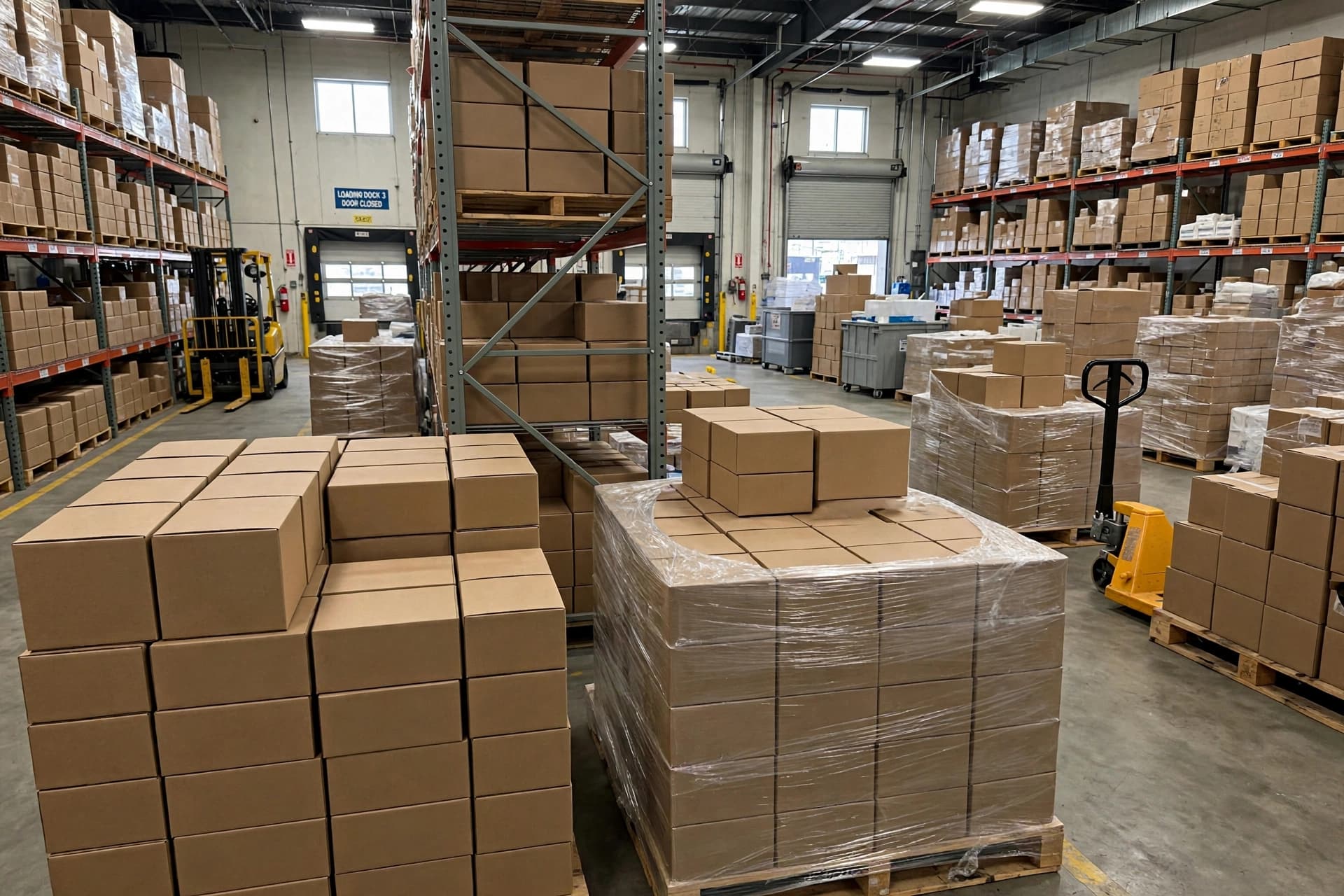
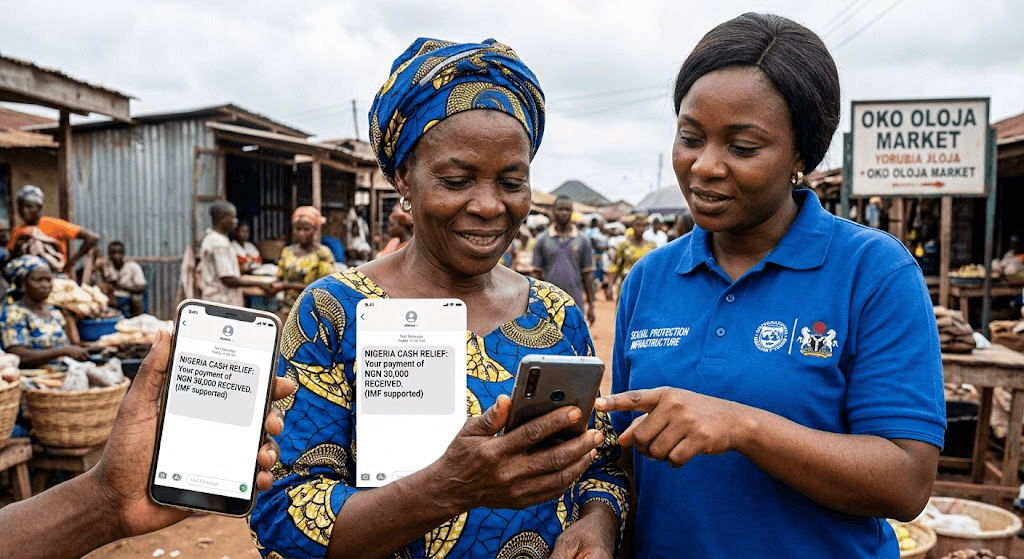
There is a fable that many of us remember from childhood—Goldilocks and the Three Bears. In that tale, Goldilocks finds herself in a house where everything is just right: the porridge is neither too hot nor too cold, the chairs neither too big nor too small. It’s the ideal balance, an elusive harmony that many seek but few find. In today’s economic discourse, the phrase “Goldilocks economy” has taken on a similar meaning. It suggests a state of equilibrium—where growth is steady, inflation is tame, and unemployment remains low. On the surface, this idyllic scenario seems to capture the essence of the present moment: a healthy economy that provides a sense of stability and comfort. But as with Goldilocks’ moment in the bears’ house, a closer inspection reveals complexities lurking beneath the surface, which challenge the notion that all is as perfect as it seems. The "Goldilocks economy" is often presented as the ideal state—neither too hot to spark runaway inflation nor too cold to send the economy into a recession. When the economy is growing at a moderate pace, inflation is under control, and unemployment remains at a healthy level, this balance is often hailed as the sweet spot for economic prosperity. It's the scenario that central bankers and policymakers long for. And, indeed, many of the current metrics suggest we are, at least for now, in such a state. The job market remains resilient, inflation has moderated in some sectors, and GDP growth shows promising signs. However, as the saying goes, the devil is in the details. Beneath the surface of the Goldilocks economy, there are cracks—small enough to be overlooked in the broader picture but significant enough to raise concern. Wage growth, for instance, has been uneven, with workers in certain sectors seeing substantial gains while others fall behind. The housing market, too, shows signs of stress. While some regions are flourishing, others are seeing affordability issues deepen, creating a disconnect between different parts of the economy. Moreover, there’s the global factor. In a world that remains interconnected yet increasingly volatile, the Goldilocks economy is being tested by external forces: geopolitical tensions, supply chain disruptions, and climate-related events. These are risks that cannot be neatly controlled by monetary policy alone. While domestic conditions may appear favorable, the broader context tells a different story. A sudden shock to the system—such as a spike in oil prices or an international crisis—could tip the balance and transform the "Goldilocks" environment into something much less comfortable. Yet, as with any fable, the lesson is not in the perfection of the moment but in the impermanence of it. The Goldilocks economy, while appealing, is a fragile construct. It can only thrive under specific conditions, and even small shifts in the global landscape can disrupt the balance. As we move forward, it will be essential to recognize the limits of this ideal and prepare for the possibility that the economic harmony we currently enjoy may not last forever. In the end, the Goldilocks economy is more a state of aspiration than a permanent reality. It’s a vision of balance and peace that remains tempting yet elusive. While current indicators suggest that we are enjoying a period of steady growth, the complexities that lie beneath the surface—both domestic and global—remind us that no economy can ever truly remain in equilibrium indefinitely. As we continue to navigate this uncertain path, it is important to remember that stability is always subject to change. Whether or not we stay in this idealized state depends not just on what we see now, but on the hidden challenges that may be waiting just beyond the horizon. AI Image Disclaimer (Rewritten): “Images in this article are AI-generated illustrations, meant for concept only.” “Visuals are created with AI tools and are not real photographs.” “Illustrations were produced with AI and serve as conceptual depictions.” “Graphics are AI-generated and intended for representation, not reality.” Sources: The Wall Street Journal The Financial Times Reuters Bloomberg CNBC
Published by Banx Network. This article is part of the Banx decentralized media programme, powered by the BXE token on the XRP Ledger.