
Key Highlights
- Record Investment:Foreign direct investment in Serbia's tech sector reached 850 million euros in Q1 2026.
- Significant Growth:This marks a 22% increase compared to the same period last year.
- Global Interest:North American and European venture capital firms are leading the investment surge.
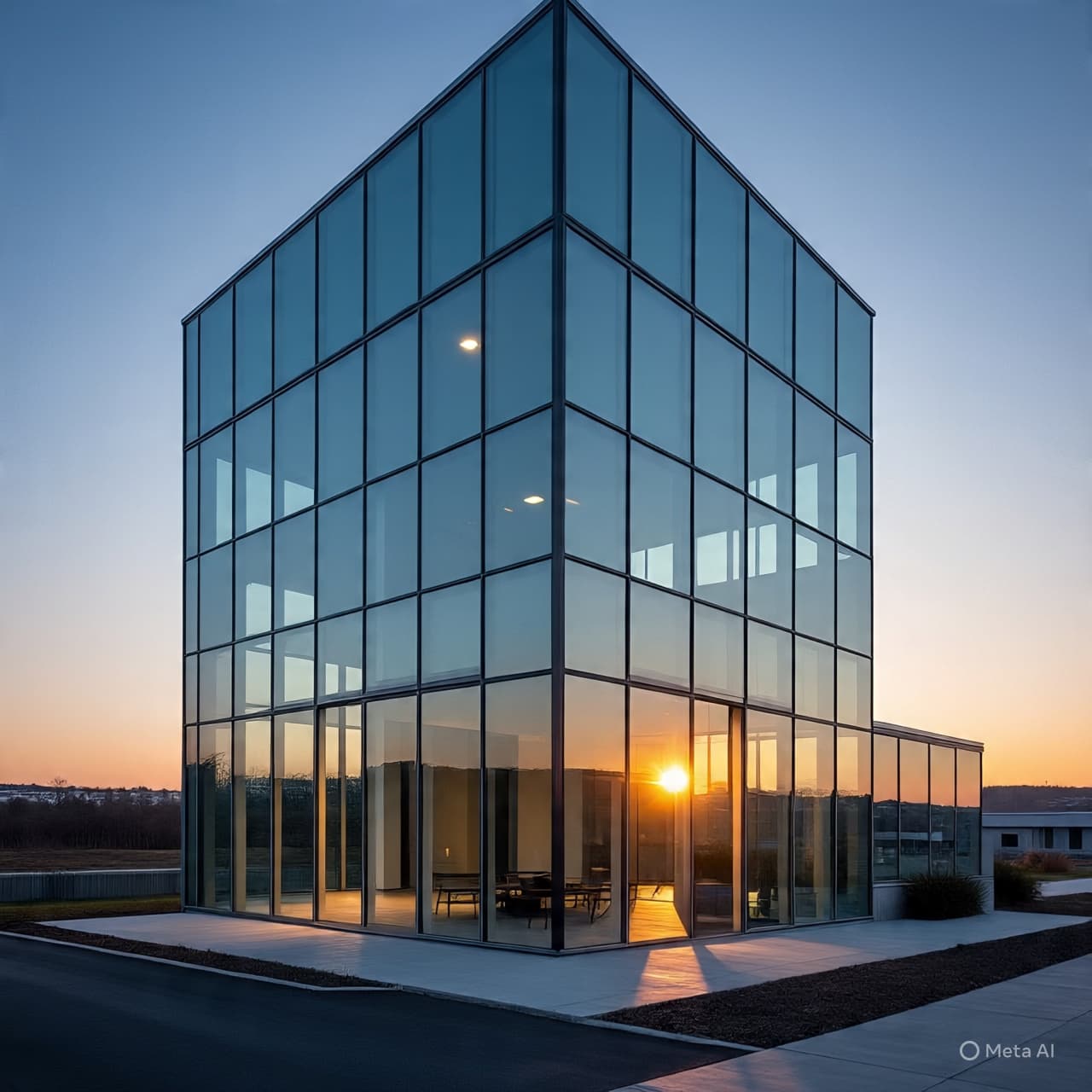
As the morning mist lifts from the glass facades of New Belgrade’s office towers, the atmosphere buzzes with the energy of unprecedented growth. By the end of the first quarter of 2026, Serbia's technology sector has reached a remarkable milestone, with foreign direct investment soaring to 850 million euros. This figure not only signifies a record high for the region but also reflects a 22% increase from the previous year, highlighting the growing confidence of international investors in Serbia's potential as a tech hub.
The evolution of Serbia's tech landscape has been gradual yet transformative. Once considered a hidden gem, the local market has matured into a vibrant ecosystem where innovative startups thrive alongside established international firms. The influx of foreign capital is not merely a financial statistic; it represents a significant endorsement of the local talent and entrepreneurial spirit that have long been the backbone of the industry.
Walking through the innovation hubs scattered across the city, one can sense a palpable shift in ambition. Conversations have evolved from discussions of survival to aspirations of global impact. The record investment acts as a catalyst, enabling startups to expand and transforming research and development centers into essential components of multinational corporations. This growth is not just about numbers; it is about creating an environment where ideas can flourish and where local talent can compete on a global stage.
However, with this rapid expansion comes the responsibility to maintain the unique cultural identity that has made Serbia's tech sector attractive. Balancing the influx of foreign interest with the preservation of grassroots innovation is crucial. The challenge lies in ensuring that the benefits of foreign investment nourish the local ecosystem rather than overshadow it. This delicate interplay between global ambitions and local roots is evident in the boardrooms and co-working spaces throughout the capital.
As the sun rises higher, the tangible effects of this investment become increasingly apparent. New laboratories equipped with cutting-edge technology are emerging, and thousands of skilled positions are being filled by individuals who previously sought opportunities abroad. This reversal of the so-called 'brain drain' is a promising sign that Serbia is not only retaining its talent but also attracting new professionals eager to contribute to its burgeoning tech scene.
The impact of the tech sector's growth extends beyond its own boundaries, influencing various industries such as real estate and education. The financial success of the tech industry creates a ripple effect, fostering a cycle of interest and investment that propels the entire economy forward. Today's record figures set a new baseline for future aspirations, reflecting a decade of groundwork laid by local innovators.
Ultimately, the digital frontier is as much about people as it is about technology. The capital flows to where talent is nurtured, and the talent remains where it feels valued and challenged. The record investment figures for Q1 2026 underscore Serbia's success in creating an environment that meets these criteria, transforming the nation into a digital powerhouse at the crossroads of Europe.
Foreign direct investment in Serbia's technology and telecommunications sector reached a record high of 850 million euros in the first quarter of 2026. Data from the National Bank of Serbia indicates a 22% increase compared to the same period last year, with significant contributions from North American and European venture capital firms. Experts suggest that this trend is driven by the country’s growing reputation as a regional hub for artificial intelligence and software development.
Published by Banx Network. This article is part of the Banx decentralized media programme, powered by the BXE token on the XRP Ledger.



