In the intricate dance of global commerce, balance is often as elusive as it is essential. For years, the rhythm of international trade has been defined by a complex interplay of supply and demand, production and consumption. Recently, however, a discordant note has emerged from Washington, with the United States expressing deep concern over what it terms "overcapacity" in Chinese manufacturing. This sentiment, once isolated, is beginning to resonate with other nations, suggesting a shifting tide in economic diplomacy.
The core of the issue lies in the sheer volume of goods produced by China’s industrial sector, particularly in emerging technologies like electric vehicles, solar panels, and batteries. American officials argue that state-supported subsidies have allowed Chinese manufacturers to produce far more than their domestic market can absorb, flooding global markets with artificially low-priced goods. This surge, they contend, distorts competition and threatens the viability of industries in other countries.
It is not merely a bilateral dispute between two superpowers; the ripple effects are being felt across Europe, Latin America, and Asia. Countries that once welcomed cheap imports are now grappling with the impact on their own nascent green technology sectors. The fear is that without intervention, local industries may be unable to compete, leading to job losses and a dependence on a single source for critical infrastructure components.
The response from the United States has been firm but measured, focusing on tariffs and trade investigations rather than outright decoupling. The goal, as stated by policymakers, is to create a level playing field where competition is based on innovation and efficiency rather than state-backed surplus. This approach reflects a broader strategic shift toward protecting national economic security while maintaining open trade channels where possible.
Interestingly, this stance has found unexpected allies. Nations that have historically maintained neutral or pro-trade positions with China are beginning to voice similar concerns. The European Union, for instance, has launched its own inquiries into Chinese electric vehicle subsidies, signaling a growing consensus that the current trajectory is unsustainable. This alignment suggests a potential realignment of global economic partnerships.
Yet, the situation is nuanced. China argues that its production capacity is a result of market demand and technological advancement, benefiting consumers worldwide through lower prices and accelerated adoption of green energy. Beijing views the accusations as protectionism disguised as fair trade concerns, warning that restrictive measures could hinder global climate goals by slowing the deployment of affordable renewable technologies.
As negotiations continue, the world watches closely. The outcome will likely shape the future of globalization, determining whether the era of unfettered cross-border manufacturing gives way to a more regionalized and protected economic order. It is a delicate balancing act, requiring diplomacy, patience, and a willingness to adapt to new realities.
The growing international concern over Chinese industrial overcapacity marks a pivotal moment in global economic relations. As more countries join the dialogue, the focus shifts toward finding a sustainable equilibrium that supports fair competition, protects local industries, and continues to drive innovation in a rapidly changing world.
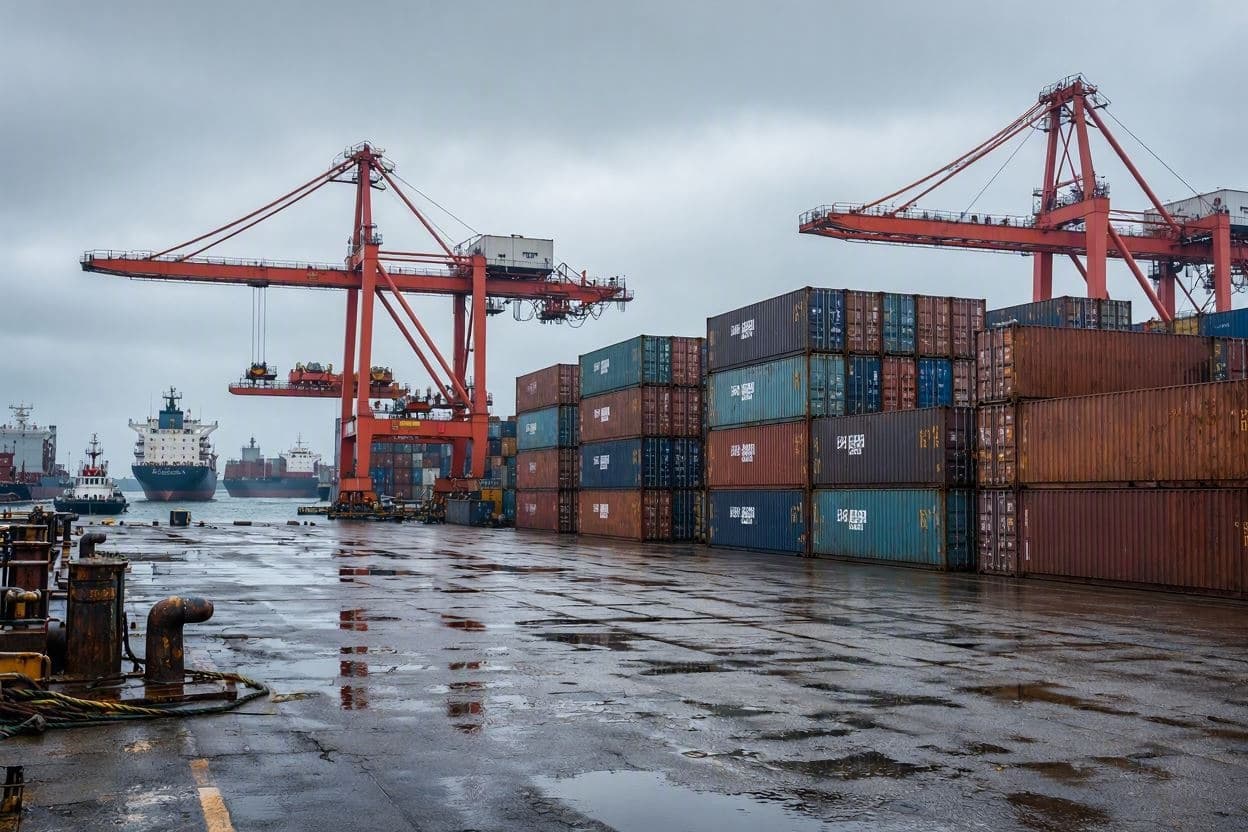
AI Image Disclaimer: The visual elements accompanying this analysis are generated by artificial intelligence to represent the concepts discussed.
Sources: The Wall Street Journal Reuters Financial Times
Published by Banx Network. This article is part of the Banx decentralized media programme, powered by the BXE token on the XRP Ledger.