1. The world's growing mountain of electronic waste
Every year, consumers and businesses replace millions of smartphones, computers, televisions, batteries and household appliances. Many of these products eventually become electronic waste, commonly known as e-waste.
What makes this waste particularly interesting is that it contains materials with considerable economic value.
Circuit boards can contain gold, silver, copper and palladium. Batteries contain materials such as lithium, cobalt and nickel. Other electronic components contain aluminium, iron and specialised metals used in modern manufacturing.
The scale of the problem is enormous.
According to the United Nations' Global E-waste Monitor 2024, the world generated approximately 62 million tonnes of electronic waste in 2022. Only 22.3% was documented as formally collected and recycled in an environmentally sound manner. 1
The report estimates that global e-waste generation could reach 82 million tonnes annually by 2030.
This means the world is producing discarded electronics much faster than its formal recycling infrastructure is expanding.
For the recycling industry, this represents a major challenge. It also creates an opportunity to recover valuable materials that would otherwise be lost.
2. The hidden value inside old electronics
Electronic waste is often treated as rubbish, but its material composition tells a different story.
A discarded smartphone may contain small quantities of gold, silver, copper, palladium, aluminium and other materials. Individually, these quantities are relatively small. Across millions of devices, however, they become economically significant.
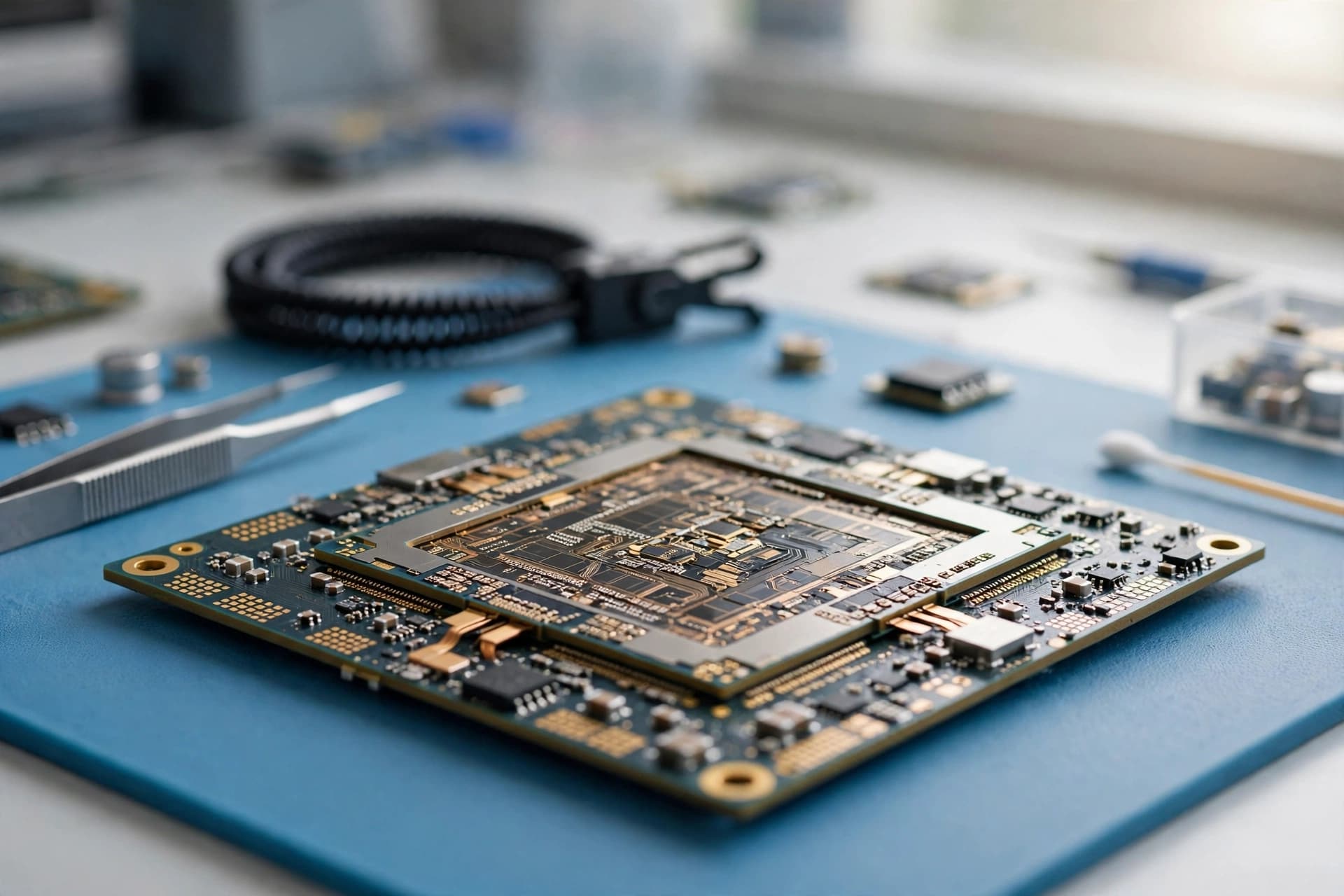
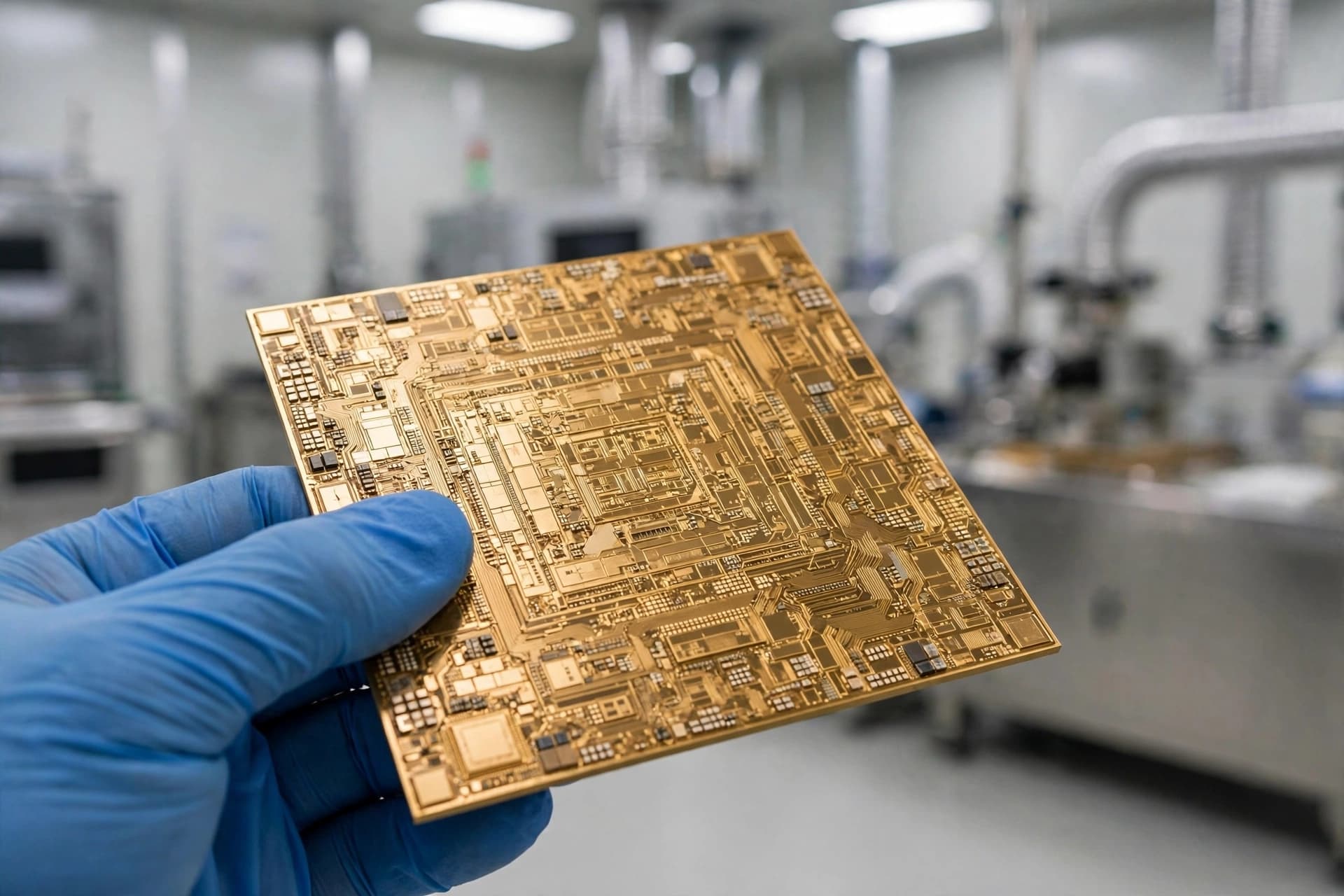
Circuit boards are particularly attractive because they contain concentrated mixtures of valuable metals.
Gold is used in electronic connectors and contacts because it conducts electricity effectively and resists corrosion. Copper is essential for electrical connections, while silver is used in various electronic components.
The United Nations estimated that the metals embedded in the world's 2022 e-waste represented approximately $91 billion in value.
This included:
$19 billion in copper.
$15 billion in gold.
$16 billion in iron.
These figures illustrate the enormous amount of recoverable material circulating through the global electronics economy. 2
However, these figures should not be mistaken for the potential profits of recycling companies. Recovering materials involves collection, sorting, transportation, processing, energy, labour and regulatory costs. Not every material can be economically recovered from every device.
Nevertheless, electronic waste is increasingly being recognised as a secondary resource rather than simply a disposal problem.
3. Urban mining: turning rubbish into a resource
The growing interest in e-waste has helped popularise a concept known as urban mining.
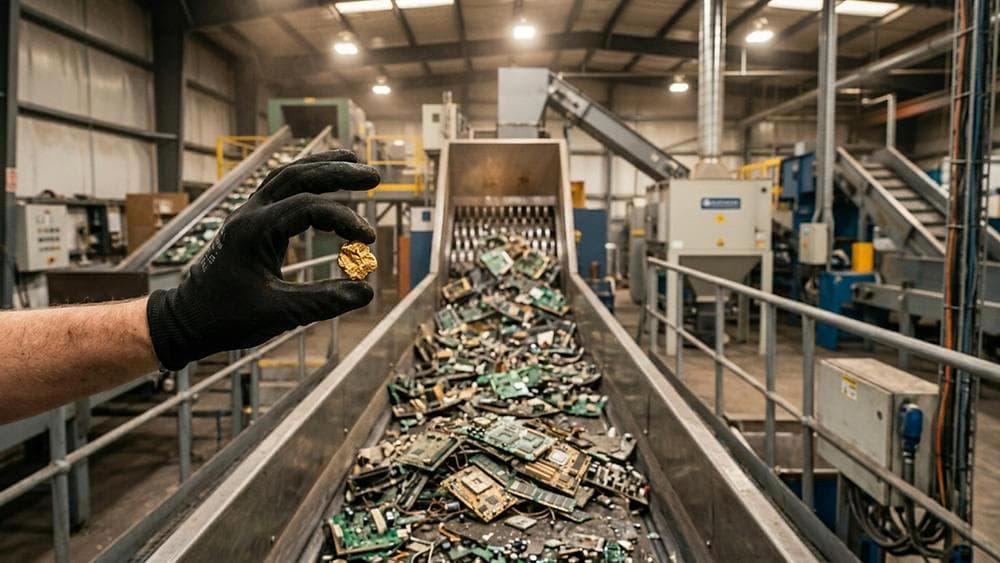
Traditional mining extracts materials from the ground. Urban mining attempts to recover valuable resources from products and infrastructure that already exist in cities and industrial economies.
This includes discarded electronics, old batteries, vehicles, construction materials and industrial equipment.
The economic logic is straightforward: if valuable metals already exist in discarded products, recovering them could reduce the need to extract entirely new resources.
The United Nations estimated that approximately $28 billion in secondary raw materials was recovered through documented e-waste urban mining in 2022. It also estimated that formal e-waste management avoided around 900 million tonnes of primary ore extraction. 2
Urban mining could become increasingly important as governments and manufacturers seek to strengthen their access to critical raw materials.
It will not eliminate traditional mining. Global demand for metals is growing, and recycling alone cannot supply all the materials required by expanding industries.
But it could become an important additional source of supply.
4. The Royal Mint is turning electronic waste into gold
One of the most interesting examples of this opportunity is taking place in the United Kingdom.
The Royal Mint, traditionally associated with producing British coins, has developed a precious metals recovery operation at its facility in Llantrisant, Wales.
The facility uses technology developed with Canadian company Excir to recover precious metals from discarded electronic circuit boards.
The process uses a specialised chemical technology designed to extract gold at room temperature, offering an alternative to some conventional high-temperature recovery methods.
The facility was designed to process up to 4,000 tonnes of circuit boards annually, with the potential to recover approximately 500 kilograms of gold per year at full capacity, alongside other valuable materials. 3
The project demonstrates how established industrial organisations can enter the recycling economy by applying specialist processing technology to materials that would otherwise be discarded.
It also illustrates an important commercial opportunity: recycling is not necessarily limited to waste management companies.
Metal processors, technology developers, manufacturers and established industrial businesses could all participate in the emerging urban mining industry.
5. Why critical minerals are making recycling more important
The global competition for critical minerals is becoming increasingly important to economic and national security.
Modern economies depend on reliable supplies of materials used in batteries, semiconductors, electric vehicles, renewable energy equipment, telecommunications and defence systems.
Many of these supply chains are geographically concentrated.
For example, the European Union identifies materials such as lithium, cobalt, nickel, gallium and tungsten as important to its industrial and technological ambitions.
The European Critical Raw Materials Act establishes 2030 benchmarks for the EU to develop domestic capacity equivalent to at least 10% of its annual consumption through extraction, 40% through processing and 25% through recycling of strategic raw materials. 4
These targets reflect a wider effort to reduce dependence on concentrated overseas supply chains.
Recycling electronic waste could contribute to this objective by recovering materials already present within European economies.
However, not all critical minerals are equally recoverable from e-waste. Some are present in very small quantities, while others are difficult or expensive to separate from complex electronic components.
This means recycling technology, product design and collection systems will all need to improve.
6. The technology behind electronic waste recovery
Recovering metals from electronic waste is considerably more complicated than simply melting down old devices.
Different products contain different combinations of materials, plastics, adhesives and hazardous substances.
Recycling facilities must first identify and separate the different waste streams before extracting valuable components.
Several techniques are used across the industry.
Mechanical processing
Devices are dismantled, shredded and separated using techniques such as magnets, screens and density separation. This helps divide materials into different streams before further processing.
Pyrometallurgy
This involves using high temperatures to recover metals from electronic waste. It is an established industrial method, although energy consumption and emissions need to be carefully controlled.
Hydrometallurgy
This uses chemical solutions to dissolve and separate specific metals. It can offer greater selectivity, but requires careful management of chemicals and wastewater.
Advanced recovery technologies
Newer processes are exploring improved chemical extraction, specialised solvents, biological recovery and more efficient separation techniques.
The objective is to recover a greater proportion of valuable materials while reducing energy consumption, pollution and processing costs.
The European Environment Agency has identified advances in sorting systems and material recovery as important developments in the wider urban mining industry, although scaling these technologies remains a challenge. 5
The companies that can develop commercially viable recovery systems may find themselves positioned within an increasingly important industrial supply chain.
7. The global recycling gap
Despite the economic potential, the world remains far from recovering most of its electronic waste.
The Global E-waste Monitor 2024 found significant differences between regions.
Europe had the highest documented collection and recycling rate in 2022, at 42.8%. Africa's documented formal collection and recycling rate was below 1%. Asia generated approximately half of the world's electronic waste. 1
These differences reflect variations in infrastructure, regulation, investment and enforcement.
In many developing economies, electronic waste is handled by informal recycling operations.
Workers may manually dismantle devices, burn cables to recover copper or use hazardous chemical processes to extract metals.
Such activities can expose workers and nearby communities to toxic substances, including lead and mercury.
The problem is not simply that materials are being wasted. It is that valuable resources are sometimes recovered under conditions that create serious environmental and health risks.
Developing formal recycling infrastructure could help improve both resource recovery and worker protection.
It could also create employment opportunities in collection, dismantling, engineering, logistics and materials processing.
8. The investment opportunity: who could benefit?
The e-waste industry could create opportunities across several different business sectors.
It is important to recognise that the opportunity extends beyond companies that physically recycle electronic devices.
Potential beneficiaries include:
Specialist recycling companies
Businesses capable of collecting, sorting and processing large quantities of electronic waste could benefit as recycling requirements expand.
Precious metal recovery companies
Gold, silver, copper and palladium recovery can provide additional revenue streams from discarded electronic products.
Industrial technology developers
Companies developing chemical extraction, automated sorting and advanced materials separation systems could become important suppliers to the recycling industry.
Battery recycling businesses
The expansion of electric vehicles and energy storage systems is creating a growing market for recovering lithium, nickel, cobalt and other battery materials.
Electronic equipment manufacturers
Companies that design products for easier repair, dismantling and recycling could benefit from regulatory changes and increasing demand for circular manufacturing.
However, investors should approach the industry carefully.
A large volume of electronic waste does not automatically translate into high profits. Collection networks, processing costs, commodity prices, regulatory requirements and the quality of recovered materials all influence commercial performance.
The strongest businesses are likely to be those that can recover materials consistently, operate efficiently and secure long-term supply agreements.
9. Regulation could accelerate the industry
Governments are increasingly recognising that electronic waste requires more than voluntary recycling programmes.
The European Union's Waste Electrical and Electronic Equipment Directive establishes requirements for the collection, treatment, recovery and recycling of electronic products.
The rules also support the extended producer responsibility principle, under which manufacturers and producers can be made responsible for the waste associated with the products they place on the market. 6
This approach is intended to encourage manufacturers to consider what happens to their products after consumers stop using them.
The EU has also been examining the effectiveness of its existing WEEE rules, with an evaluation published in July 2025.
Other important policy developments include repairability requirements, restrictions on hazardous substances and measures designed to reduce illegal shipments of electronic waste.
Regulation could create stronger demand for professional recycling services, although poorly designed requirements may also increase costs for manufacturers and smaller recycling businesses.
The broader direction is clear: governments want more materials to remain within productive economic use rather than being discarded.
10. The future of the global e-waste economy
The electronic waste industry is likely to become increasingly important as the world becomes more dependent on technology.
Smartphones, computers, electric vehicles, batteries, renewable energy systems and connected devices all contain materials that may eventually enter the recycling economy.
At the same time, demand for copper, gold, lithium, cobalt and other industrial materials is creating pressure to diversify supply.
The United Nations estimates that global e-waste generation could reach 82 million tonnes annually by 2030 if current trends continue. 1
That projection highlights the scale of the challenge.
The industry will need better collection systems, more advanced processing facilities, improved product design and stronger international regulation.
Manufacturers may also need to reconsider how electronics are designed. Products that are easier to repair, dismantle and recycle could retain more economic value at the end of their useful lives.
For investors, this creates a potentially important long-term industrial theme. The opportunity is not simply about recovering gold from old smartphones. It is about building the infrastructure needed to recover strategically important materials from an increasingly technological world.
The global economy has spent decades extracting resources from the ground to manufacture electronic products.
It may now be entering a period in which recovering those resources from discarded products becomes an equally important part of the supply chain.
The next major mineral opportunity might not come from discovering a new mine.
It could come from making better use of the resources the world has already extracted.
Sources
International Telecommunication Union — The Global E-waste Monitor 2024
UNITAR — Global E-waste Monitor 2024: Electronic Waste Rising Five Times Faster Than Documented Recycling
Financial Times — Royal Mint Strikes Gold with E-waste Recovery Facility
European Commission — European Critical Raw Materials Act
European Environment Agency — Emerging Trends in Production and Consumption
European Commission — Waste from Electrical and Electronic Equipment (WEEE)
Published by Banx Network. This article is part of the Banx decentralized media programme, powered by the BXE token on the XRP Ledger.