
Key Highlights
- Record Snow Accumulation:The 2025-2026 winter season saw the highest snow accumulation in the Southern Alps in over fifteen years.
- Glacial Stability:Recent observations indicate a surprising stability in the high-altitude snowfields of New Zealand.
- Environmental Significance:The glaciers play a crucial role in the ecosystem, affecting water supply and agriculture in the region.
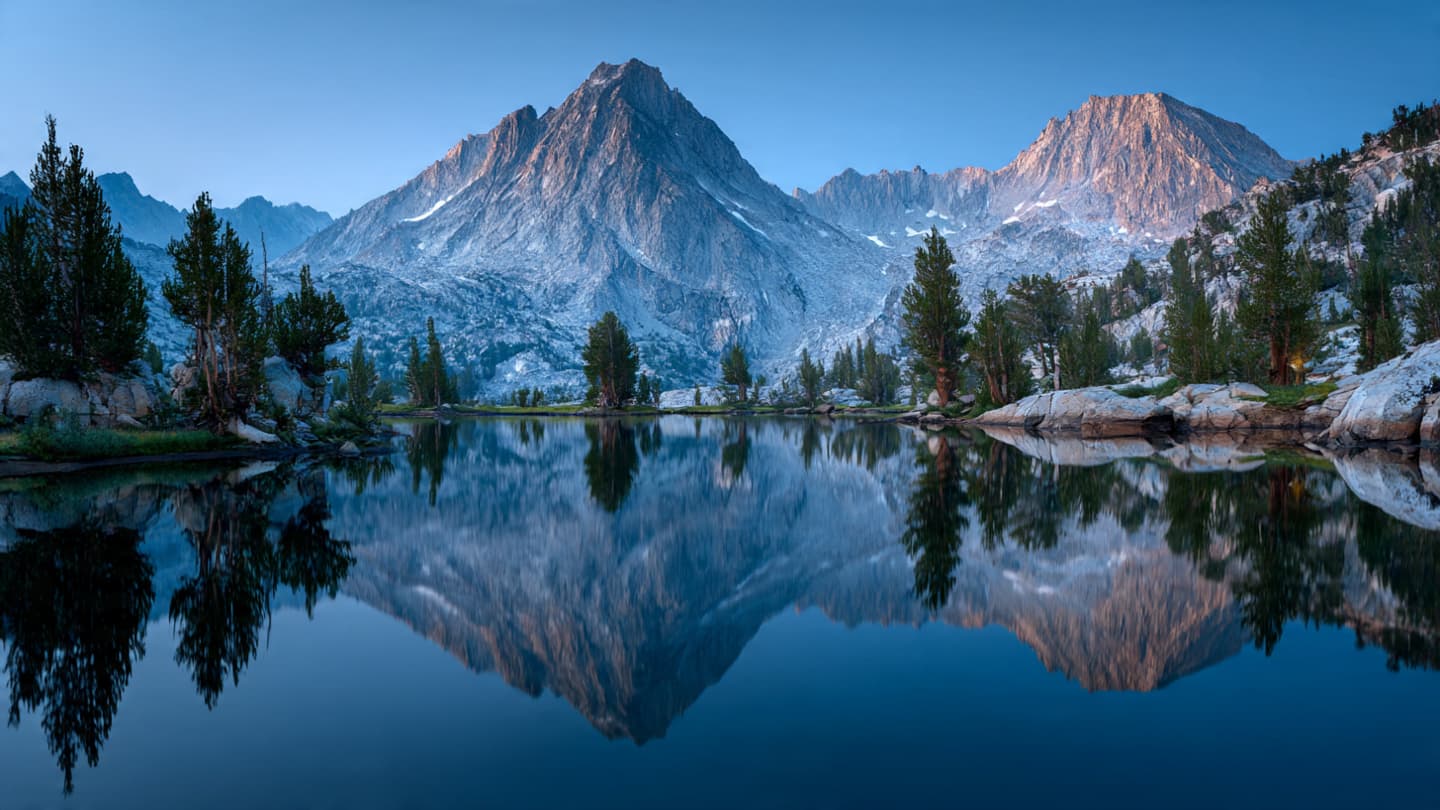
In the heart of New Zealand’s South Island, the Southern Alps rise like a jagged, silver spine, their peaks piercing the fast-moving clouds of the Roaring Forties. This landscape is defined by an immense, vertical silence, where the only sound is the occasional, distant thunder of a calving glacier or the sharp whistle of the wind through a mountain pass. Recently, the high-altitude snowfields have shown a surprising and beautiful stability, a quiet gathering of frost that has draped the summits of Aoraki and its neighbors in a thick, pristine mantle of white.
The atmosphere of the high country is one of absolute, unyielding clarity. The air is so cold and pure that the distant ridges appear as sharp as a razor’s edge against the deep indigo of the alpine sky. To witness the sunrise over the Tasman Glacier is to see the world reborn in shades of violet, gold, and rose—a spectacle that has repeated since the crust first buckled and rose toward the heavens. There is a profound sense of scale here that humbles the observer, a realization that we are mere visitors in a world built on geological time.
Glaciologists who venture into these frozen corridors speak of the ice as a living record, a pressurized library of the Earth’s atmospheric history. They monitor the flow of the glaciers with a reverence for their slow, relentless power, noting how the ice carves the valleys and shapes the destiny of the rivers below. The recent stabilization of the snowline is met with a soft sense of relief, a moment of repose for an ecosystem that has long been at the center of global environmental conversations.
The relationship between the mountains and the plains is one of vital, liquid dependency. As the summer sun warms the lower slopes, the melting snow feeds the braided rivers that snake across the Canterbury Plains, carrying the nutrients of the high country to the farms and forests of the coast. This is the heartbeat of the South Island—a seasonal inhalation and exhalation of water that sustains the life of the entire region. To protect the integrity of the alpine peaks is to ensure the health of the valleys, a stewardship that requires a long-term vision.
For the people of the South, the Alps are more than a geographical boundary; they are a presence that defines the very character of their lives. The mountains provide the weather, the water, and the wild spaces that foster a specific kind of rugged, contemplative independence. There is a communal pride in the preservation of the alpine huts and the trails that allow for a respectful exploration of this wilderness. This connection is deeply rooted in the soil and the stone, a recognition that the mountains are the ultimate guardians of the nation’s natural wealth.
As the afternoon light begins to fade, the shadows of the peaks stretch for miles across the glaciers, turning the ice into a landscape of deep blues and charcoal greys. The temperature drops with a sudden, sharp breath, and the stars begin to flicker over the ridges with a steady, crystalline intensity. It is a moment of profound solitude, a time when the human world feels small and the elemental world feels infinite. The mountains remain, indifferent to the passage of hours, their peaks holding the secrets of the sky in a silence that is both ancient and alive.
There is a serene hope in the resilience of the high country. While the challenges of a warming world remain a constant shadow, the mountains themselves continue to offer a narrative of endurance. They teach us about the importance of stability and the beauty of the slow, methodical processes that shape the planet. In the quiet, frozen reaches of the Southern Alps, the story of the ice is a soft but certain promise that as long as the winter returns, the heart of the land will remain white and cold.
In the stillness of the alpine night, the glaciers continue their silent, heavy journey toward the sea. The ice is a traveler that measures progress in centuries, a constant motion that provides a sense of continuity to a world in flux. In the soft light of the moon reflecting off the snowfields, there is a promise of renewal, a whisper that the heights will always be there to catch the clouds and store the water for the days to come.
The National Institute of Water and Atmospheric Research (NIWA) has reported that the 2025-2026 winter season saw the highest snow accumulation in the Southern Alps in over fifteen years. This surplus has significantly bolstered the region's water supply, ensuring that the rivers and ecosystems dependent on this meltwater will thrive in the warmer months ahead.
Published by Banx Network. This article is part of the Banx decentralized media programme, powered by the BXE token on the XRP Ledger.



