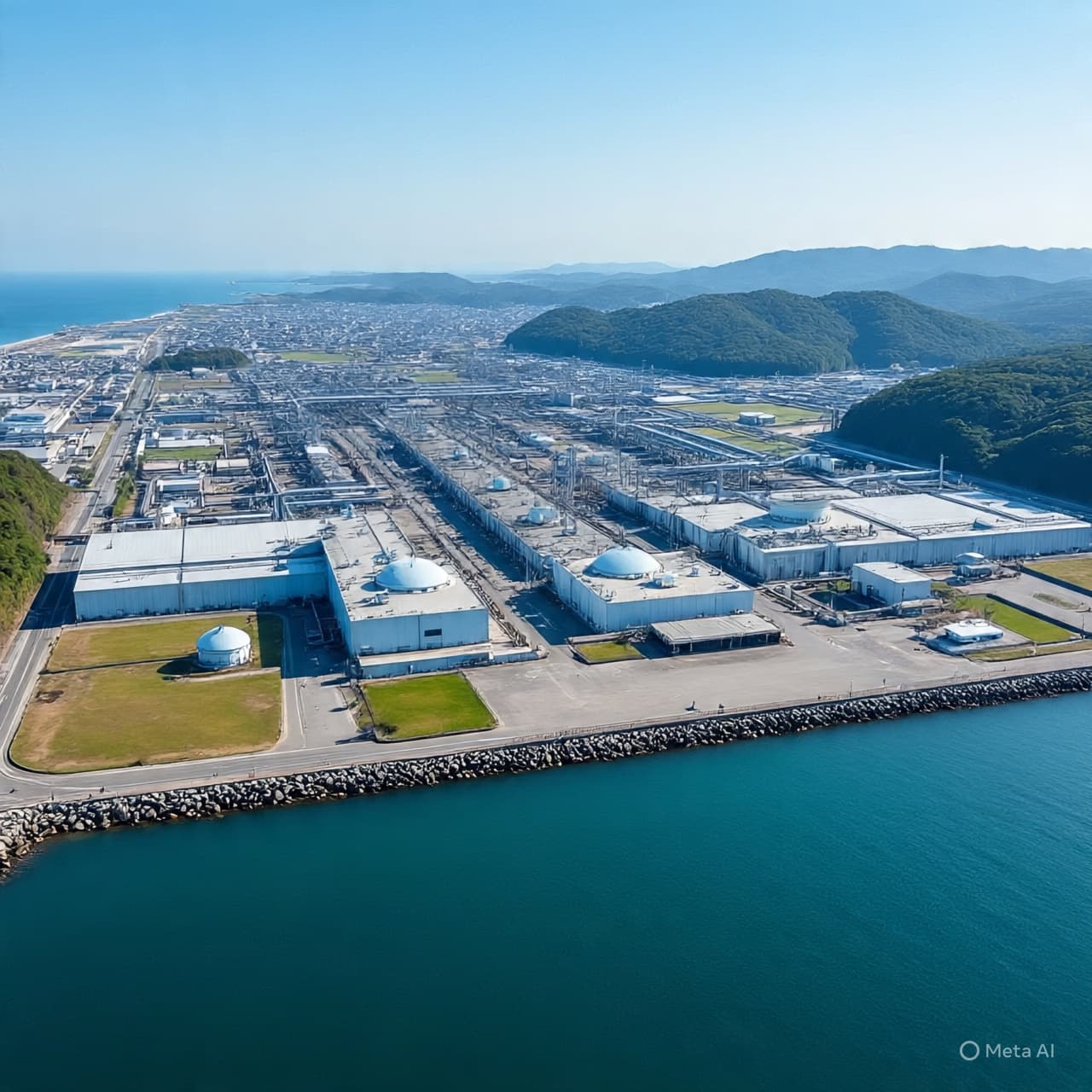
There are places in our lives where the distant past feels as near as the breeze on an open shore. In Niigata Prefecture, where the sea edge meets wide skies and the world’s largest nuclear power plant lies dormant, such memories intertwine with new aspirations. For nearly 15 years, the shadow of Fukushima — that wrenching crescendo of earth and water, human life and shattered infrastructure — has shaped how Japan views the sum of its energy choices and the safety of its people. Today, a moment of potential renewal stirs both hope and caution in equal measure.
On Monday, local lawmakers in Niigata moved forward with plans to restart the Kashiwazaki-Kariwa Nuclear Power Plant, once again signaling that this vast facility may soon generate electricity after years of dormancy. The plant, with a capacity far exceeding any other in the world, has stood silent since the sweeping shutdown of reactors countrywide following the 2011 triple meltdown at Fukushima Daiichi — an event that reshaped not only Japan’s energy landscape but the collective psyche of a nation.
For officials and many business leaders, the restart represents a practical step toward energy stability. Japan has restarted several reactors since the early post-Fukushima years but has long avoided bringing Kashiwazaki-Kariwa fully back online. With the world’s energy markets in flux and fossil fuel costs persisting at historically high levels, nuclear power’s promise of steady, low-carbon electricity carries undeniable allure. National leaders have positioned the move within broader efforts to bolster energy security and reduce reliance on imported fuels, which have strained the economy.
Yet the path toward reactivation remains shaped by deep public reflection. Many residents, including survivors of the 2011 disaster, have voiced unease and staged protests, invoking the vulnerability they once lived through. For them, the restart is not merely a technical decision but a reminder of human fragility and the enduring weight of memory.
Amid these tensions, Japan’s energy strategy continues to evolve. Nuclear power is being woven back into the fabric of the national grid, with safety protocols and regulatory oversight that reflect lessons learned over the past decade. Whether the rekindling of Kashiwazaki-Kariwa will fully soothe public anxiety or forge a renewed sense of trust remains to be seen — yet the moment itself speaks to the delicate balance between past loss and future need.
AI Image Disclaimer *Illustrations were produced with AI and serve as conceptual depictions.*
Source Check
Reuters Al Jazeera Associated Press The Japan Times The Economic Times (via syndicated news)
Published by Banx Network. This article is part of the Banx decentralized media programme, powered by the BXE token on the XRP Ledger.