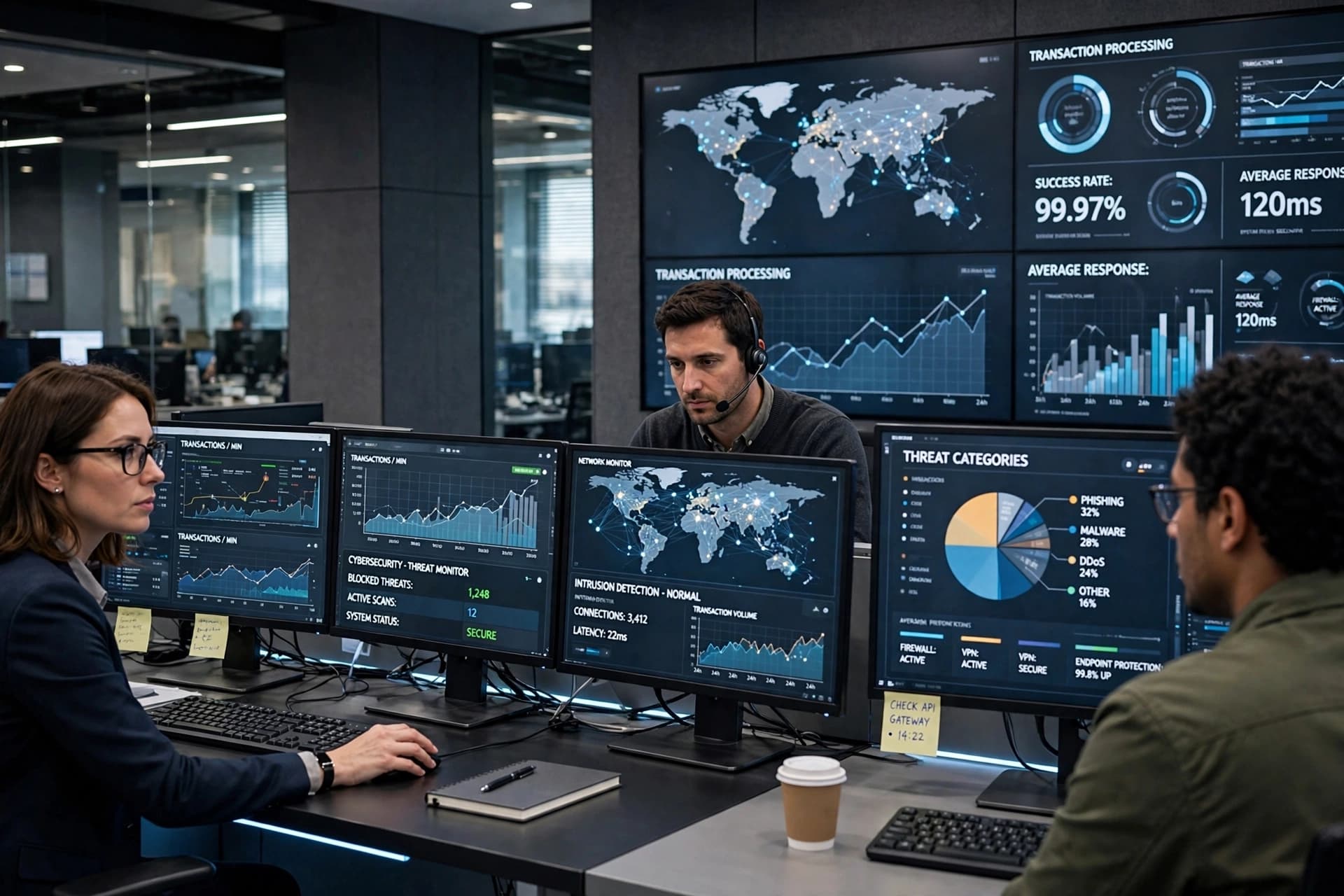
In the soft light before markets opened on Monday, a whisper traveled from screen to screen — not the hum of economics or the drone of quarterly results, but a speculative narrative rooted not in today’s balance sheets, but in a creative imagining of tomorrow. It was a thought experiment, imagined and labeled as such, yet as the opening bell rang, it seemed to have taken on a life of its own, casting a shadow across trading floors and investor screens alike.
On that day, the Dow Jones Industrial Average and other major U.S. indexes dipped significantly. Major financial and software names, including American Express, Capital One, Blackstone and KKR, traded lower as investors responded not only to broader economic concerns but also to a dystopian scenario that had gone viral. In this imagined future, rapid advances in artificial intelligence would displace towering swaths of white-collar workforces, destabilize consumer spending, and precipitate an economic downturn.
The scenario was crafted by Citrini Research and framed as a “thought exercise,” not a forecast. Yet the mood it tapped into — a blend of awe at AI’s promise and unease about its implications — resonated beyond its fictional trappings. As traders and portfolio managers weighed their exposures on Monday, the tale seemed to underscore a deeper sensitivity in markets to narratives about how technology reshapes labor, consumption, and corporate revenue streams.
Fiction and finance have long danced a delicate pas de deux. Just as stories can inspire confidence, they can also provoke caution. In this case, the imagined ‘2028 Global Intelligence Crisis’ brought into sharp relief the question of what happens when machines supplant human roles once deemed indispensable. It was enough to send financial and staffing stocks sliding and prompt renewed interest in what some analysts call “defensive” assets, those perceived as less vulnerable in times of uncertainty.
Yet, for all the market’s reaction, many voices in the financial community emphasized that the narrative should not be conflated with empirical economic trends. The Federal Reserve, for example, has shown measured confidence in the strength of the labor market and inflation dynamics, even as traders balance competing pressures.
By afternoon trading, the market’s fluctuations reflected broader currents as well — from concerns about tariffs and policy uncertainty to the perennial reevaluation of valuations in sectors tethered to rapid innovation. The hypothetical AI future became a prism through which existing anxieties were refracted rather than the sole cause of market movement.
In the end, the day’s market moves reminded participants that narratives — whether rooted in data or imagination — can shape sentiment just as tangibly as earnings releases or economic indicators. In a world where information flows at the speed of light, the boundary between fact and fiction often blurs in the arena of investor psychology.
As markets settle into the week ahead, the dialogue between forward-looking speculation and grounded analysis will likely continue, with both myth and method contributing to how risk is perceived and priced.
AI Image Disclaimer (Rotated)
“Images in this article are AI-generated illustrations, meant for concept only.”
Sources
Reuters, Business Insider, Wall Street Journal, Investor’s Business Daily, MarketWatch
Published by Banx Network. This article is part of the Banx decentralized media programme, powered by the BXE token on the XRP Ledger.