
Key Highlights
- Record Migration:The 2026 season has seen a surge in mother-calf pairs off the Osa Peninsula.
- Conservation Strategy:New data is guiding marine protection efforts in Costa Rica.
- Community Involvement:Local fishermen are actively participating in whale tracking initiatives.
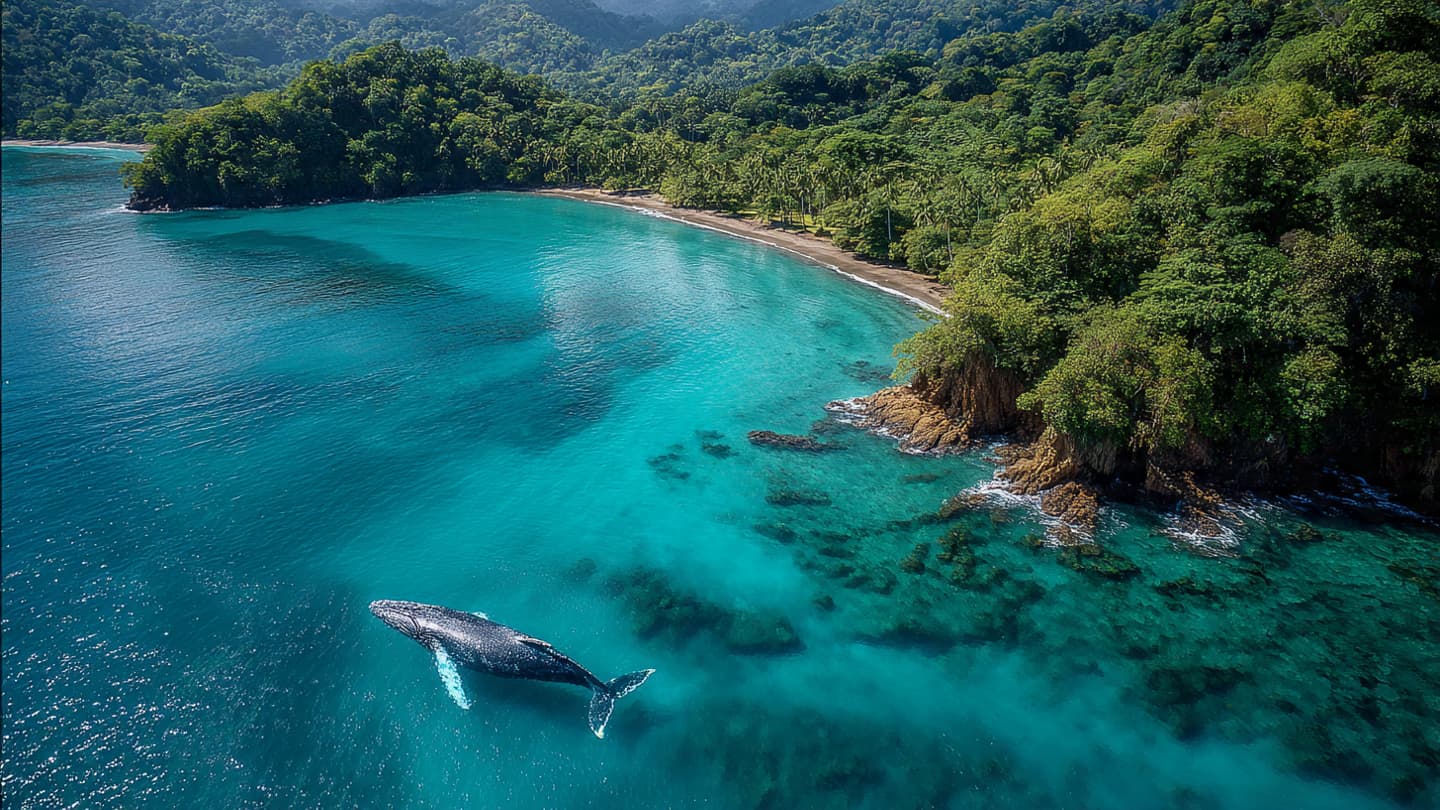
The Osa Peninsula, a lush region where the Pacific Ocean meets dense rainforest, is currently witnessing a remarkable event: the migration of Humpback whales. In early 2026, marine biologists have reported an unprecedented number of mother-calf pairs returning to these waters, a phenomenon that has sparked renewed interest in marine conservation efforts. The sounds of the ocean, once merely background noise, are now recognized as vital communication signals of these majestic creatures, guiding them through their migratory routes.
This year’s tracking project is not just about observing these magnificent animals; it represents a deeper understanding of the ecological relationships that define the health of our oceans. The collaboration between local scientists and international conservationists aims to decode the migratory patterns of Humpback whales, which are critical for developing effective marine conservation strategies. By utilizing advanced technologies like satellite tagging and acoustic monitoring, researchers are mapping the whales' journeys with unprecedented accuracy.
Witnessing a mother whale and her calf surfacing in the Golfo Dulce is a poignant reminder of the interconnectedness of life. The grace with which these giants navigate the waters is awe-inspiring, and the data collected during these encounters is invaluable. Each sighting contributes to a larger narrative of stewardship, where the goal is to ensure the survival of these species amidst the challenges posed by climate change and human activity.
The implications of this research extend beyond mere observation. The findings from the 2026 migration season are being used to propose new maritime regulations aimed at reducing ship-strike risks in critical nursing habitats. By identifying previously undocumented stopover points along the southern Pacific coast, Costa Rica is taking proactive steps to protect its marine biodiversity. This initiative is a testament to the country’s commitment to preserving its natural heritage while fostering sustainable practices.
Local communities are playing a crucial role in this conservation effort. Fishermen and guides have become integral to the project, acting as the 'eyes' of the ocean. Their traditional knowledge, combined with scientific research, creates a powerful synergy that enhances the understanding of marine ecosystems. This collaboration not only empowers local communities but also fosters a sense of pride and responsibility towards the ocean.
As the season progresses, the atmosphere along the coast is one of anticipation and respect. The sight of a whale gliding beneath the waves invites reflection on our relationship with nature. The whale tracking initiative in Costa Rica serves as a reminder of the importance of protecting our oceans and the creatures that inhabit them. It highlights the need for continued research and conservation efforts to ensure that future generations can experience the wonder of these magnificent beings.
Reports from the Center for Cetacean Research (CEIC) indicate that the 2026 migration season is shaping up to be one of the most significant in recent history. The data collected is not only enriching our understanding of Humpback whale behavior but is also paving the way for innovative conservation strategies that prioritize the health of marine ecosystems.
Published by Banx Network. This article is part of the Banx decentralized media programme, powered by the BXE token on the XRP Ledger.



