States have a habit of ending conflicts on paper long before people feel them ended in their bones.
German authorities are now exploring a plan to begin returning Syrian refugees to their homeland, arguing that the country’s civil war has “ended.” The phrase looks clean in a press release. It looks conclusive. It looks final. But wars don’t close like books. They leave weather systems behind — mistrust, political volatility, unpredictable danger, fractured institutions.
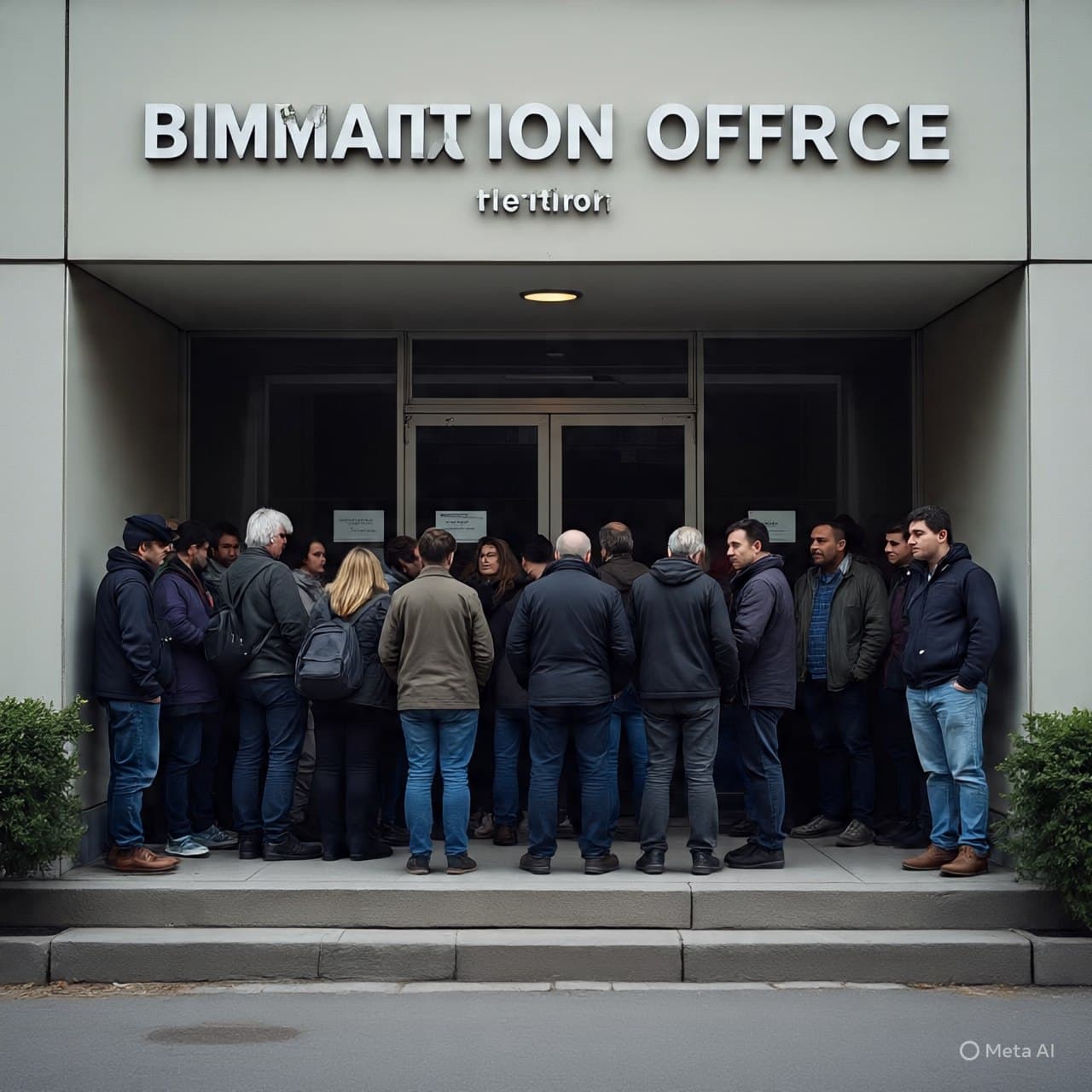
Germany hosts hundreds of thousands of Syrians who arrived across a decade of displacement. Some rebuilt careers. Some raised children who speak German better than Arabic. Some simply tried to breathe normally again. Now, a policy conversation has begun to reframe their presence — not as permanent relocation, but as temporary shelter that may soon expire.
There is always a tension at the heart of refugee narratives: the receiving state measures capacity, budgets, integration, and political appetite. But the individual measures only one thing — safety. And safety is not binary. It’s not “war ended, therefore go home.” It’s lived context. It’s family networks. It’s whether a person’s old neighborhood actually exists anymore.
Even in the best version of this debate, repatriation is not a neutral administrative action. It is the most intimate kind of geopolitics — because it reaches into the storylines of people who have already survived more than most citizens of stable countries will ever know.
European politics is searching for equilibrium on migration. But this moment in Germany is a reminder that policy memory is short, and trauma memory is long.
Wars technically end. But the aftershocks — the ones that shape where a person can live without fear — take years longer to fade.
And in the meantime, human beings remain caught between two competing sentences: “you are safe here,” and “it is now safe there.”
Published by Banx Network. This article is part of the Banx decentralized media programme, powered by the BXE token on the XRP Ledger.