
Key Highlights
- Thimphu's child welfare initiatives focus on holistic development.
- UNICEF renews partnership to enhance community support.
- Local leaders and international organizations collaborate for youth safety.
In the high-altitude embrace of Thimphu, where the morning sun paints the valley in hues of gold and amber, there is a quiet, persistent effort to safeguard the most fragile members of the community. This labor of love, often unnoticed by the casual observer, is woven into the very fabric of daily life. The welfare of children in this mountain capital is not merely a policy matter; it is a sacred trust, a commitment to ensuring that the next generation grows up with the resilience of the cedar and the grace of the crane.
The partnership between international guardians and local leaders has created a tapestry of support that stretches from urban centers to the furthest mountain outposts. This collaboration is born from the realization that the modern world brings both vast opportunity and profound risk to the young. As Bhutan navigates its path toward modernization, the preservation of childhood innocence and safety has become a central pillar of the national narrative, anchoring the future in the values of compassion and care.
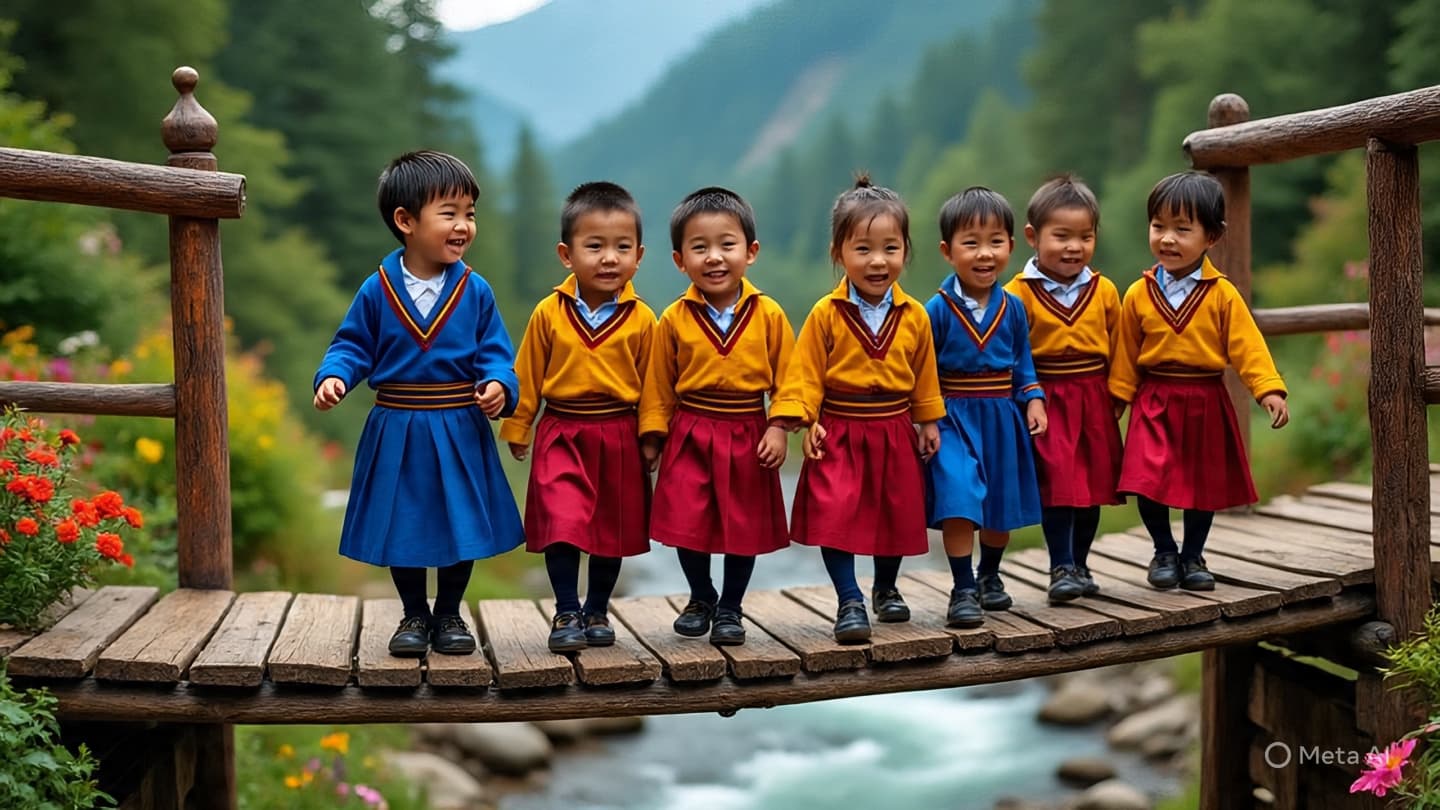
Walking past the schools of the capital, one can hear the melodic chime of laughter, a sound that serves as the heartbeat of the city. Behind this joy lies a rigorous framework of health, education, and protection initiatives designed to catch those who might otherwise fall through the cracks of a changing society. This steady motion toward a more inclusive future ensures that every child, regardless of their station, is equipped with the tools to thrive in an increasingly complex world.
There is a reflective quality to the way child welfare is approached in Bhutan, an understanding that the well-being of youth is the ultimate measure of national happiness. This struggle is not fought with loud proclamations but with the quiet dedication of social workers, teachers, and health professionals. They are the silent sentinels of the valley, working to ensure that the shadows of poverty and neglect do not darken the doorways of the kingdom’s homes.
The initiatives focus on the holistic development of the child, recognizing that physical health is inseparable from mental and spiritual growth. Nutrition programs, early childhood education, and child protection services are integrated into a single, flowing effort to nurture the soul as much as the body. This narrative of wholeness insists that progress is hollow if it does not protect the most vulnerable among us.
In libraries and community centers, one can see the fruits of this labor—young minds engaged with the world, their eyes bright with curiosity. These spaces are sanctuaries of learning, providing a window to the universe while remaining rooted in the rich soil of Bhutanese tradition. The support of global organizations provides the resources, but it is the local spirit that provides the warmth and direction for these programs.
As dusk falls and families gather around their hearths, there is a sense of security that comes from knowing the community stands together. The challenges are real—the pressures of technology and the shifting family structures of the modern age—but the resolve to meet them is equally potent. It is a continuous dialogue, an evolving strategy that adapts to the needs of the time while remaining true to the eternal principles of the Dharma.
The recent news of UNICEF’s renewed partnership with Thimphu serves as a formal marker of this ongoing journey. It is a testament to the power of cooperation and the enduring belief that the future is built one child at a time. Bhutan remains a land of profound peace, and at the center of that peace is the well-protected child, walking forward into a world that has promised to hold them steady.
Published by Banx Network. This article is part of the Banx decentralized media programme, powered by the BXE token on the XRP Ledger.



