
Key Highlights
- Discovery of ESB2:A protein crucial for the African trypanosome's immune evasion.
- Mechanism of Action:ESB2 acts as a 'molecular shredder' to edit genetic instructions.
- Implications for Treatment:Targeting ESB2 could expose the parasite to the immune system.
The ongoing battle between pathogens and the host immune system is a complex and dynamic process, particularly evident in the case of the African trypanosome, the causative agent of sleeping sickness. This parasite has long been recognized for its remarkable ability to evade detection by the human immune system, primarily through a strategy involving a protective coat of variant surface glycoproteins (VSGs). Recent research has shed light on the mechanisms behind this evasion, focusing on a protein known as ESB2, which plays a pivotal role in the parasite's survival within the human bloodstream.
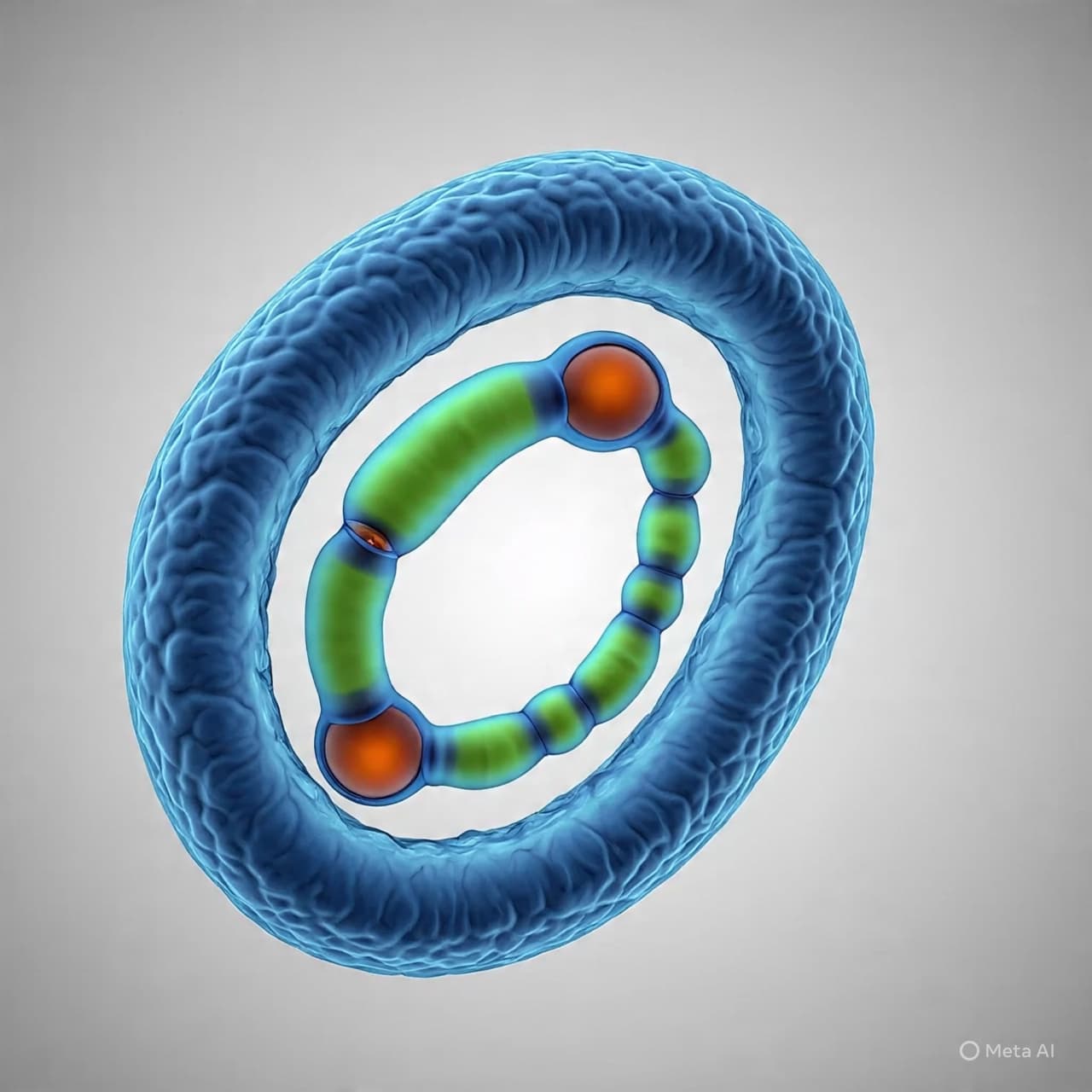
The study reveals that ESB2 functions as a 'molecular shredder,' meticulously editing the genetic instructions that the parasite uses to produce its protective cloak. This protein is located within the parasite's protein production center and is responsible for determining which genetic codes are retained and which are discarded. By prioritizing the production of VSGs while simultaneously suppressing the expression of non-essential helper genes, ESB2 enables the trypanosome to remain hidden from the immune system's surveillance.
Visualizing this process can be likened to a printer and a shredder operating in tandem. As the genetic code is generated, ESB2 identifies and eliminates instructions for proteins that could potentially reveal the parasite's location. This efficient mechanism not only conserves the parasite's energy but also enhances its ability to evade immune detection, presenting a significant challenge for treatment strategies.
The implications of this discovery are profound. By understanding how ESB2 operates, researchers may be able to identify a new target for therapeutic intervention. If scientists can disrupt the function of this molecular shredder, it could force the parasite to express its non-cloak-related genes, effectively exposing it to the immune system. This shift in treatment strategy represents a move away from traditional methods that rely on brute force to combat infections, towards a more sophisticated approach that targets the parasite's internal regulatory mechanisms.
The research also emphasizes the intricate evolutionary arms race between hosts and pathogens. Each adaptation made by the trypanosome is a direct response to the host's immune defenses, and the discovery of ESB2 highlights the lengths to which pathogens will go to survive. This understanding not only opens new avenues for treatment but also enriches our appreciation for the complex biological interactions that occur during infections.
As the scientific community delves deeper into the role of ESB2, the focus will likely expand to encompass broader principles of infection biology. The notion that pathogens can rely on real-time genetic redaction to enhance their virulence challenges existing paradigms and suggests that future research should consider RNA decay regulation as a critical factor in disease progression. This evolving perspective could lead to innovative strategies for combating infections and improving patient outcomes.
In conclusion, the research confirms that ESB2 acts as a specialized endonuclease within the Expression Site Body, specifically targeting and degrading RNA instructions for non-cloak-related helper genes. This real-time editing mechanism allows the trypanosome to maintain a nearly exclusive expression of VSGs, effectively preventing immune detection. By disrupting this shredder mechanism, researchers have demonstrated that helper gene expression increases, providing a direct strategy for weakening the parasite's camouflage and enhancing the immune response.
Published by Banx Network. This article is part of the Banx decentralized media programme, powered by the BXE token on the XRP Ledger.



