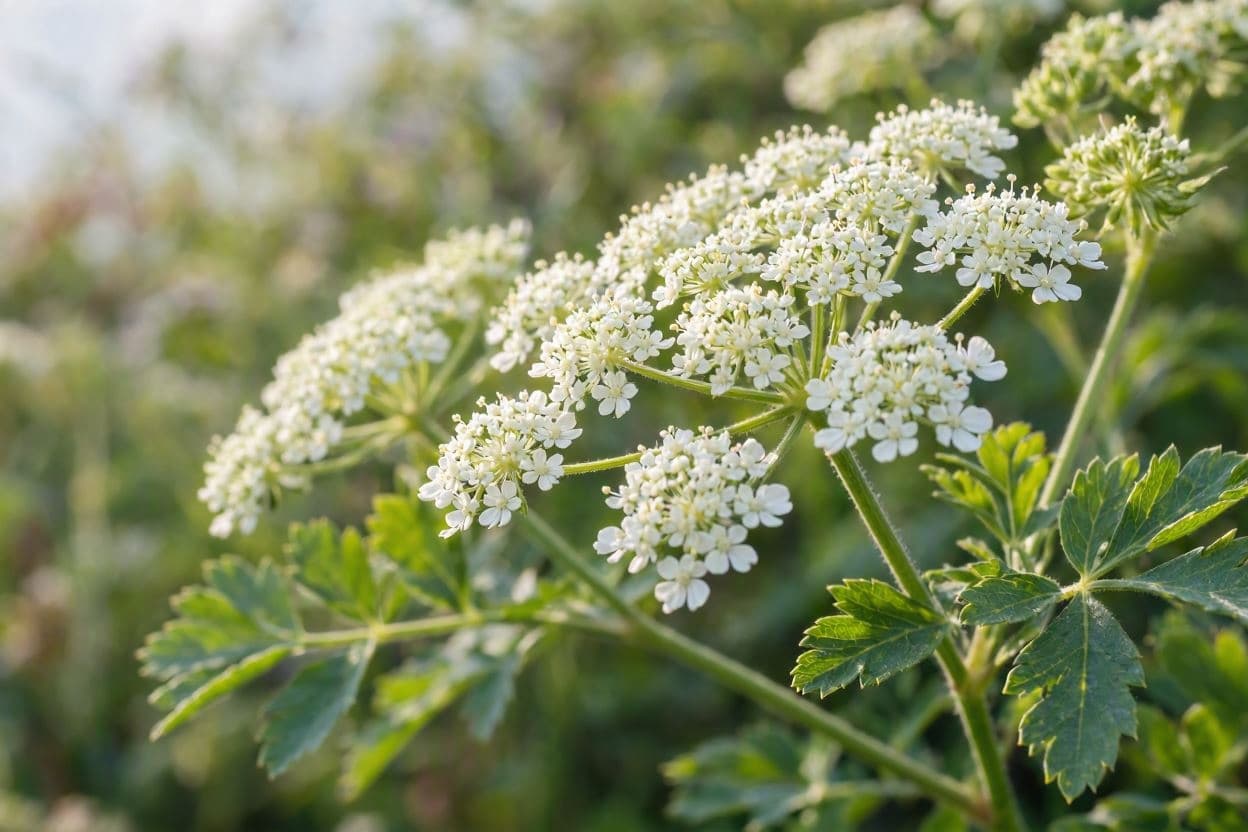
Nature has long served as the world’s most proficient pharmacist, offering remedies hidden within the roots, leaves, and flowers of countless plants. Among these botanical treasures is Spuriopimpinella brachycarpa, a lesser-known species that has recently yielded its deepest secrets. The sequencing of its genome has unveiled the genetic blueprints for producing valuable medicinal compounds, marking a significant step forward in pharmacognosy. This discovery is not just a technical achievement; it is a reminder of the untapped potential residing in the natural world, waiting to be understood and utilized for human health. It invites us to look closer at the quiet efficacy of the plant kingdom.
Spuriopimpinella brachycarpa belongs to the Apiaceae family, which includes well-known herbs like parsley and carrots. However, this specific species has been used in traditional medicine for centuries, particularly in East Asia, for its anti-inflammatory and antioxidant properties. Until now, the exact mechanisms behind its therapeutic effects remained largely obscure. By decoding its genome, scientists have identified the specific genes responsible for synthesizing bioactive molecules, such as coumarins and flavonoids, which are known for their health benefits.
The revelation of these genetic pathways allows for a more precise understanding of how the plant produces its medicinal compounds. This knowledge can guide the development of more effective drugs, either by extracting the compounds directly or by synthesizing them in laboratories. It reduces the reliance on wild harvesting, which can threaten plant populations, and offers a sustainable route to production. This balance between conservation and innovation is crucial for the future of herbal medicine.
Moreover, the genomic data provides insights into the evolutionary history of the plant. By comparing its genome with related species, researchers can trace how these medicinal traits evolved over time. This comparative approach helps identify other plants that might possess similar beneficial properties, expanding the search for new treatments. It turns the genome into a map for future discovery, guiding scientists toward promising candidates in the vast library of biodiversity.
The implications for personalized medicine are also significant. Understanding the genetic basis of compound production can help tailor treatments to individual genetic profiles, improving efficacy and reducing side effects. It bridges the gap between traditional herbal knowledge and modern molecular biology, creating a synergy that respects both ancient wisdom and contemporary science. This integration fosters a more holistic approach to healthcare.
For local communities who have traditionally used Spuriopimpinella brachycarpa, this validation of their practices is empowering. It acknowledges the value of indigenous knowledge and provides a scientific basis for its continued use. Collaborative efforts between scientists and traditional healers can ensure that benefits are shared equitably, promoting ethical bioprospecting. This respect for cultural heritage is essential for sustainable development.
The study also highlights the importance of preserving biodiversity. Each species holds unique genetic information that could be key to solving medical challenges. As habitats shrink and species face extinction, the loss of such potential is irreversible. Protecting plants like Spuriopimpinella brachycarpa is not just an environmental imperative but a medical one. It underscores the need for conservation efforts that safeguard our natural pharmacy.
As research continues, the focus will shift to optimizing the production of these compounds and testing their clinical efficacy. The genome is just the beginning of a long journey toward new therapies. Yet, it stands as a testament to the power of scientific inquiry to unlock nature’s secrets. It reminds us that even the smallest plants can hold solutions to some of our biggest health challenges.
The genome sequencing of Spuriopimpinella brachycarpa reveals the genetic basis for its medicinal properties. It highlights the value of biodiversity and traditional knowledge in modern drug discovery. Let this discovery inspire greater respect for natural resources.
AI Image Disclaimer: The visuals accompanying this piece are AI-generated interpretations intended for illustrative purposes only.
Sources: Nature Plants Journal of Ethnopharmacology ScienceDirect
Published by Banx Network. This article is part of the Banx decentralized media programme, powered by the BXE token on the XRP Ledger.