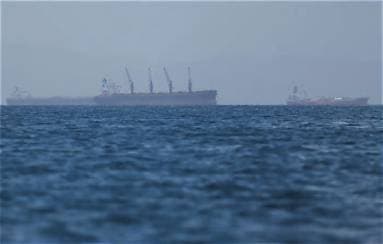
Throughout history, ports have served as gateways connecting economies, cultures, and industries. From ancient trading centers to modern container terminals, these facilities have played a central role in the movement of goods across borders. Today, a new wave of modernization is reshaping ports around the world.
Governments and port operators are accelerating investments in infrastructure, automation, and digital technologies designed to support growing trade volumes. These projects aim to improve efficiency, strengthen resilience, and enhance the capacity of global transportation networks.
Modern ports increasingly rely on advanced systems to manage cargo movement. Automated cranes, digital tracking platforms, and data-driven logistics tools help streamline operations while reducing delays. Such technologies are becoming essential as global commerce continues expanding.
Infrastructure upgrades remain a major priority. Many facilities are expanding terminals, deepening shipping channels, and improving connections to rail and road networks. These improvements support larger vessels and more efficient cargo handling.
Environmental considerations are also influencing modernization strategies. Port authorities are exploring cleaner energy solutions, emissions reduction initiatives, and sustainability programs aimed at balancing growth with environmental responsibility.
The benefits extend beyond transportation. Ports support manufacturing, retail, agriculture, and numerous other industries that depend on efficient trade routes. Investments in maritime infrastructure often generate broader economic opportunities within surrounding regions.
Technology providers and engineering firms are benefiting from increased project activity. Demand for specialized equipment, software systems, and construction services continues rising as modernization efforts expand globally.
Economic analysts frequently view port activity as an indicator of trade performance. Growing cargo volumes and infrastructure investment often reflect confidence in future commercial activity and economic development.
Challenges remain, including financing requirements, regulatory complexity, and evolving trade patterns. Nevertheless, momentum behind modernization efforts continues to strengthen as stakeholders prepare for future demand.
For now, the transformation of global ports underscores the enduring importance of trade infrastructure. As commerce becomes increasingly interconnected, modern ports are helping ensure goods continue moving efficiently across the world's economic networks.
AI Image Disclaimer Illustrations were produced with AI and serve as conceptual depictions.
Sources (Source Check) Reuters Bloomberg World Bank International Association of Ports and Harbors Lloyd's List Intelligence
Published by Banx Network. This article is part of the Banx decentralized media programme, powered by the BXE token on the XRP Ledger.