The G20 summit is traditionally envisioned as a table where the world’s largest economies gather to weave the fabric of global cooperation. It is a space designed for dialogue, where differences are managed through diplomacy rather than division. However, the potential return of Russia to this forum has introduced a note of discord into the harmonious intent of the gathering. For many European nations, this prospect is not merely a procedural adjustment but a profound moral and political challenge, stirring deep unease about the message it sends to a world still grappling with the consequences of conflict.
The hesitation from European capitals stems from a desire to maintain a unified stance against actions they view as violations of international law. For these nations, the presence of Russia at such a high-profile event could be interpreted as a normalization of behavior that they have worked diligently to isolate. It raises questions about the balance between inclusive dialogue and the necessity of holding powerful actors accountable for their actions on the global stage.
Proponents of inclusion argue that the G20’s effectiveness relies on having all major economic players at the table. They suggest that excluding key nations limits the group’s ability to address critical issues like climate change, financial stability, and global health. From this perspective, engagement is seen as a tool for influence, a way to keep channels of communication open even amidst severe disagreements.
However, for many European leaders, the cost of such inclusion feels too high. They worry that it undermines the credibility of the institution and diminishes the solidarity shown with affected nations. The friction highlights a broader tension within international organizations: how to remain relevant and comprehensive while upholding shared values and principles. It is a delicate dance between pragmatism and principle.
The reaction also reflects the domestic political pressures faced by European leaders. Public opinion in many countries remains strongly opposed to any softening of stance toward Russia. Leaders must navigate these sentiments while engaging in complex international negotiations. The "bristling" described is not just diplomatic posturing but a reflection of genuine public concern and moral conviction.
This situation invites reflection on the evolving nature of global governance. As geopolitical alliances shift, institutions like the G20 must adapt to new realities without losing their core purpose. The debate over Russia’s participation is a symptom of these larger structural changes, forcing a reevaluation of what effective multilateralism looks like in a fragmented world.
Diplomatic efforts are underway to find a middle ground, perhaps through modified formats or limited engagement. Yet, the underlying discomfort remains. The episode serves as a reminder that international cooperation is not automatic; it requires constant negotiation, trust-building, and a willingness to confront difficult truths.
As the summit approaches, the focus will be on whether the group can transcend these divisions to achieve tangible results. The presence or absence of consensus on this issue will set the tone for future collaborations. It is a test of the international community’s ability to manage disagreement without descending into paralysis.
The discomfort among European nations regarding Russia’s potential return to the G20 highlights the ongoing challenges of balancing inclusion with accountability in global forums. As diplomats work to navigate these tensions, the outcome will reflect the complex reality of modern international relations, where dialogue and dissent often coexist.
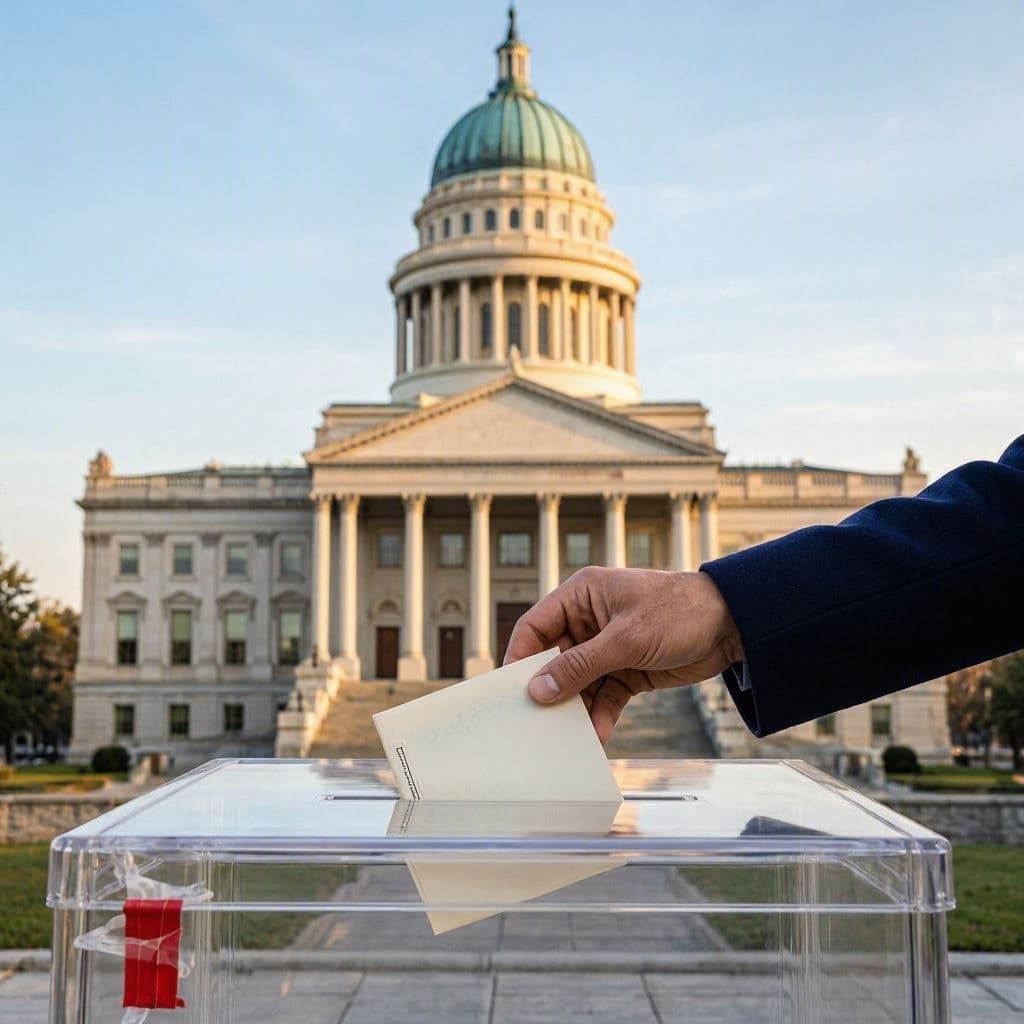
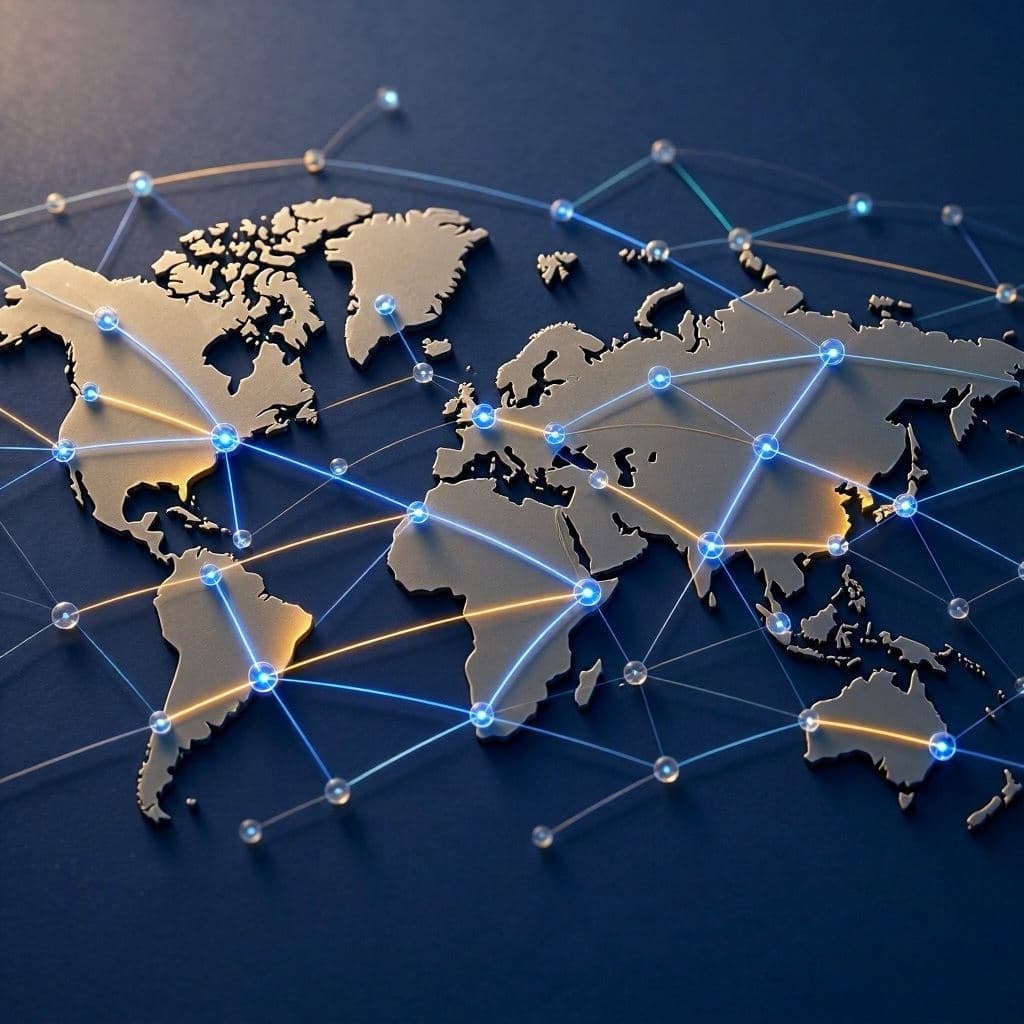
AI Image Disclaimer: The visual representations accompanying this article are AI-generated interpretations designed to symbolize international diplomacy and geopolitical tension, using abstract imagery of roundtables and global maps.
Sources: Reuters Financial Times Politico Europe
Published by Banx Network. This article is part of the Banx decentralized media programme, powered by the BXE token on the XRP Ledger.