Global supply chains often function like unseen rivers, carrying essential materials that sustain modern economies. From smartphones to renewable energy systems, many technologies depend on a steady flow of critical minerals. In recent developments, the United States and Australia have announced efforts to deepen cooperation on securing and stabilizing these supply chains, reflecting shared concerns over long-term resource resilience.
The cooperation focuses on critical minerals such as lithium, rare earth elements, nickel, and cobalt—materials essential for batteries, electronics, and clean energy technologies. Both countries recognize that stable access to these resources is increasingly important as global demand continues to grow.
Officials from both nations emphasized that the initiative aims to diversify supply sources and reduce overreliance on concentrated global production hubs. By strengthening partnerships between mining sectors, refining industries, and research institutions, the two countries hope to build more secure and transparent supply networks.
Australia, with its rich mineral reserves, plays a central role in this cooperation. The country is already one of the world’s leading producers of several critical minerals, and its geological resources position it as a key supplier in global energy transition efforts.
The United States, on the other hand, is focusing on expanding domestic processing capacity and encouraging investment in advanced manufacturing. By improving refining and production capabilities, policymakers aim to ensure that raw materials can be converted into finished components within more secure supply chains.
Industry analysts note that critical minerals have become a strategic priority in global economic planning. As renewable energy technologies expand and electric vehicles become more widespread, demand for these resources is expected to increase significantly over the coming decades.
Environmental considerations also play an important role in the discussion. Both governments have highlighted the importance of responsible mining practices, including reducing environmental impact, improving labor standards, and ensuring transparency across supply networks.
Experts say that international cooperation in this sector is likely to continue expanding as countries compete to secure stable access to essential resources. While competition remains part of the global landscape, partnerships like this reflect a growing recognition that collaboration can strengthen resilience for all participants.
The initiative underscores a broader shift in global economic strategy, where resource security is increasingly viewed as a foundation for technological progress and national stability. As implementation continues, both nations are expected to refine policies that balance economic growth, environmental protection, and long-term supply chain security.
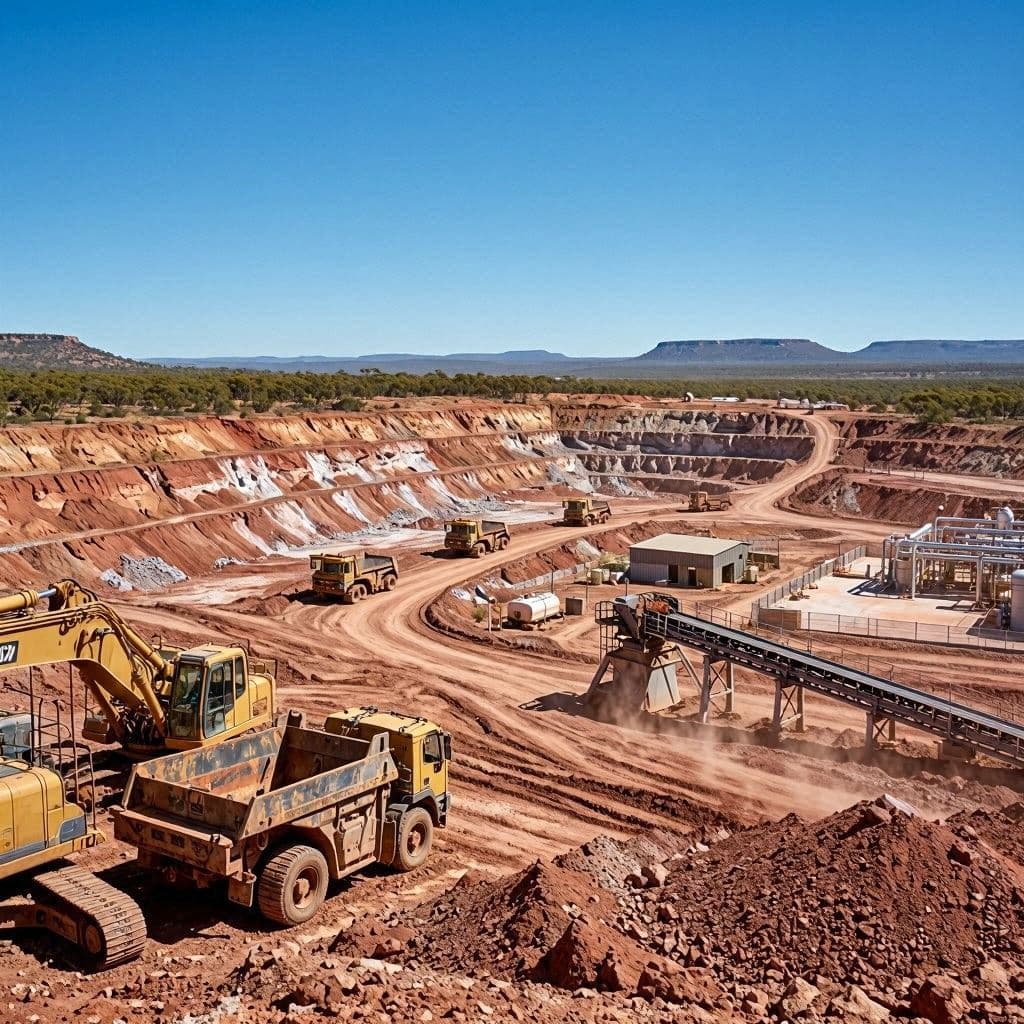
AI-generated image disclaimer: This illustration was generated using AI to depict mining and supply chain logistics and does not represent a real facility or meeting.
Published by Banx Network. This article is part of the Banx decentralized media programme, powered by the BXE token on the XRP Ledger.