
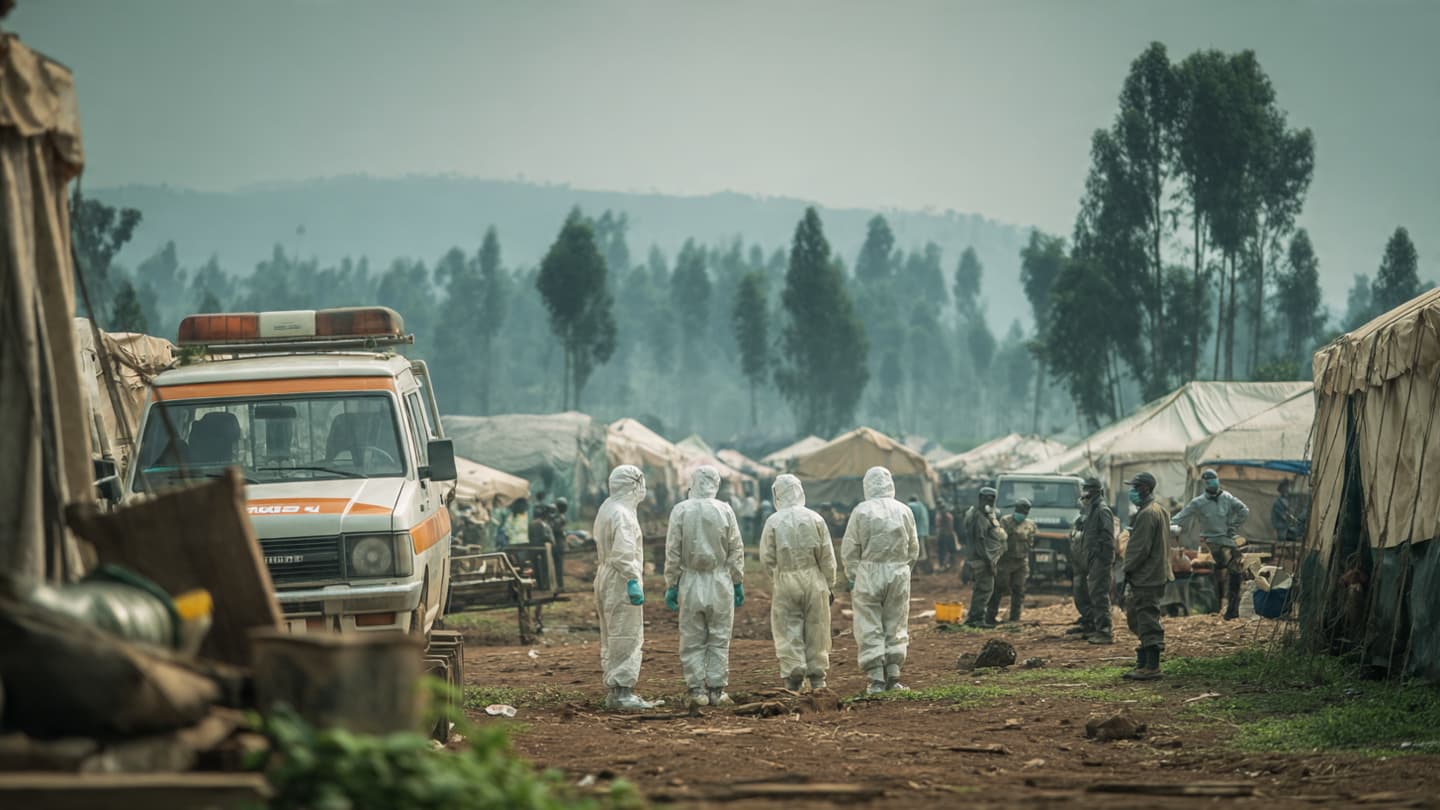
Key Highlights
- Ebola Outbreak:Eastern Congo faces a growing health crisis.
- Resource Shortages:Health workers struggle with limited supplies and support.
- Community Trust:Misinformation complicates containment efforts.
In recent weeks, eastern Congo has become the epicenter of a significant Ebola outbreak, prompting urgent responses from health workers who are tirelessly battling the virus under increasingly challenging conditions. The outbreak, primarily involving the Bundibugyo strain of Ebola, has raised alarms in local communities, where health personnel are working around the clock to provide care and manage the crisis.
Mongbwalu, a town at the heart of the outbreak, has seen a surge in patients presenting symptoms consistent with Ebola. Health workers, including doctors, nurses, and support staff, are facing severe shortages of essential resources, including protective equipment and medications. Many of these dedicated individuals report that they are receiving little compensation for their extended hours, which often stretch late into the night as alerts about suspected cases come in.
The Bundibugyo strain of Ebola is particularly concerning as there is currently no approved vaccine or treatment available. Health workers are focusing on supportive care, which includes monitoring patients, isolating confirmed cases, and conducting community outreach to educate residents about the virus and its transmission. The urgency of their work is compounded by the fact that the virus may have circulated undetected for weeks, making containment efforts even more critical.
Local conditions further complicate the situation. The densely populated gold-mining communities in the region often lack adequate sanitation infrastructure, creating an environment ripe for the spread of infectious diseases. Health officials are grappling with the reality that the virus can easily thrive in such conditions, making it imperative to act swiftly and effectively.
In addition to resource shortages, health workers are also facing challenges related to community trust. Misinformation about Ebola has led to skepticism among some residents, making it difficult for health interventions to be accepted. Workers are spending considerable time addressing concerns and encouraging cooperation, which is essential for effective containment and treatment efforts.
Despite these significant obstacles, health workers remain committed to their mission. Their efforts are crucial in managing the outbreak and providing care to those affected. The World Health Organization has announced a comprehensive response plan, and both Congolese authorities and international partners are mobilizing resources to support the frontline workers in their efforts.
As the situation evolves, the dedication and resilience of health workers in eastern Congo will be vital in navigating this public health crisis. Their work, often carried out with little recognition beyond their immediate communities, underscores the importance of frontline healthcare in combating infectious diseases and protecting public health.
Published by Banx Network. This article is part of the Banx decentralized media programme, powered by the BXE token on the XRP Ledger.



