The residential districts of Uppsala possess a quiet, steady rhythm, where the comfort of the home is a fundamental assumption of the urban fabric. It is a city defined by its blend of history and contemporary life, where dwellings are the sanctuaries against the biting northern cold. When a fire breaks out, it disrupts this tranquility with a profound intensity, turning a place of safety into a site of sudden, irreversible change. The smoke that rises against the twilight sky is not merely an atmospheric anomaly, but a signal of a deeply felt, singular tragedy.
In the aftermath of the blaze, the structure stands as a hollowed-out monument to the event. The scene is defined by a monochromatic palette of ash, charred timber, and the persistent, metallic scent of suppression. It is here that the forensic investigators begin their silent, exacting work. They move through the rooms with a sense of reverent distance, sifting through the remnants of the lives that once occupied the space to find the singular point of ignition.
The investigation is a delicate assembly of clues, requiring an exhaustive examination of the building’s systems and the traces left by the fire’s progress. There is a deep, technical respect for the evidence, as every scorched surface and melted fixture offers a potential narrative of the disaster. For those looking on, the process is a slow movement toward understanding—a necessary, if difficult, progression from the shock of the event to the clarity of a confirmed cause.
The community of Uppsala, often characterized by its academic rigor and steady social bonds, feels the weight of such an occurrence with collective gravity. There is a universal acknowledgment of how quickly the domestic sphere can be compromised by the elemental power of fire. The event serves as a stark, unsolicited reminder of the inherent risks that exist even in the most controlled and secure of living environments, prompting a quiet reflection on safety and the shared vulnerability of the urban dweller.
As the days turn into a week, the site remains a focal point for the authorities. The forensic teams work in the periphery of public view, their efforts shielded by the necessity of the investigation. They are reconstructing a reality that has been fundamentally erased by flame and heat, acting as the custodians of the truth behind the disaster. It is a task marked by emotional restraint, focusing entirely on the technical causality that will ultimately shape the report.
This search for answers is the essential bridge between the trauma of the night and the resolution the community seeks. The fire, in its destructive rush, leaves behind a complex puzzle that only the slow, analytical eye of the professional can solve. Each day of the investigation brings them closer to the facts, stripping away the speculation and replacing it with the firm, observable evidence of what occurred in the final moments of the fire.
The presence of the emergency services and the later arrival of investigators alters the neighborhood’s character, turning an ordinary residential street into a place of profound significance. The silence of the residents is respectful, acknowledging the gravity of the loss that occurred behind the windows. It is a period of transition, where the immediate tragedy is slowly translated into the formal, bureaucratic language of the official record.
Eventually, the fire will be classified, the report filed, and the narrative of the event will be settled within the annals of the city. Yet, the impact on the local landscape remains. The experience of the fire—the sight of the smoke, the urgency of the response, and the lingering presence of the loss—becomes part of the city’s story. It is a reminder of the fragility of the structures we inhabit and the enduring importance of the search for truth in the wake of disaster.
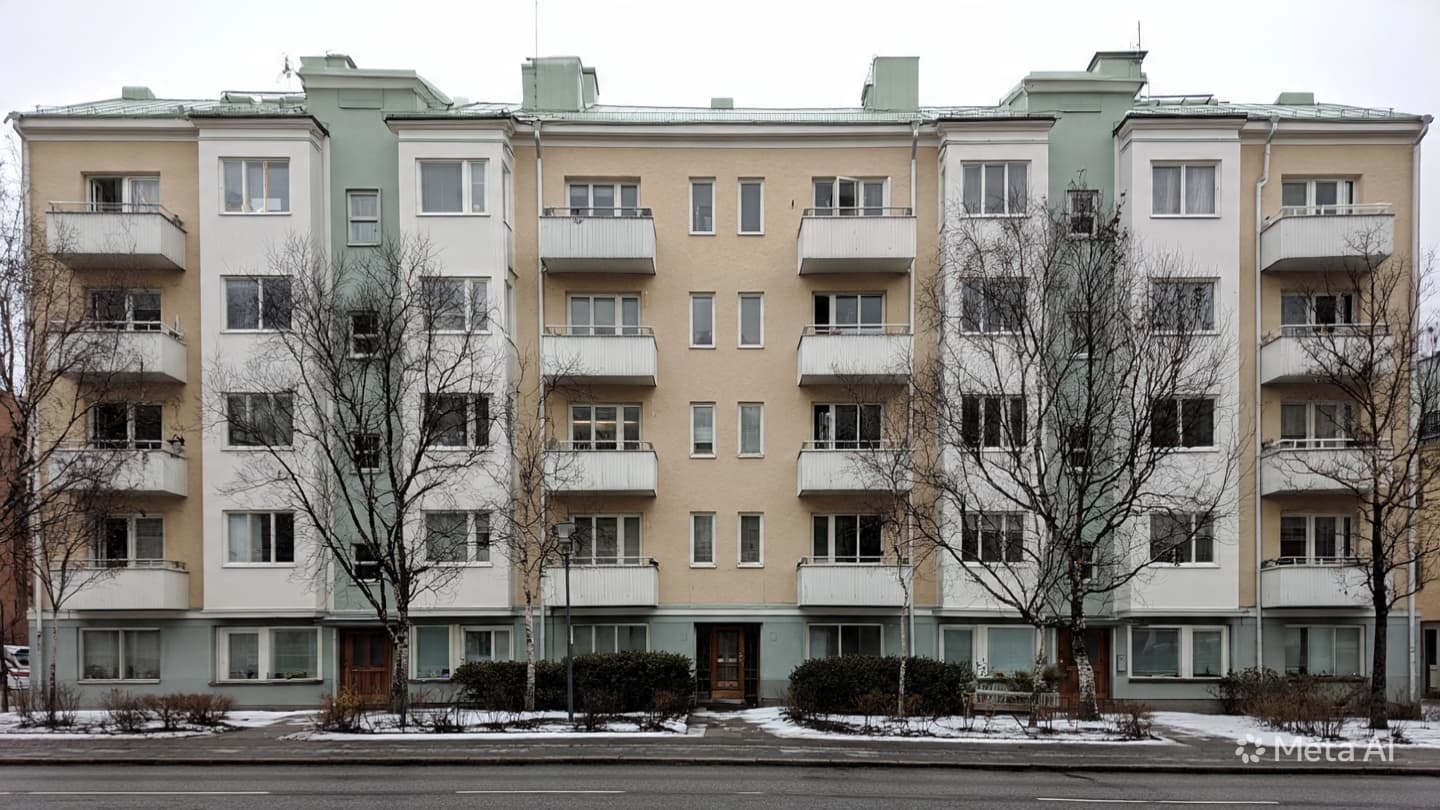
Authorities in Uppsala, Sweden, are currently conducting a forensic investigation into a fatal apartment fire that occurred in a residential building. Emergency crews were dispatched to contain the blaze, but the incident resulted in at least one confirmed fatality. Forensic experts are working to analyze the site to determine the ignition point and the precise cause of the fire. The area remains under investigation, and officials are coordinating with local fire services to finalize their assessment of the incident.
Published by Banx Network. This article is part of the Banx decentralized media programme, powered by the BXE token on the XRP Ledger.