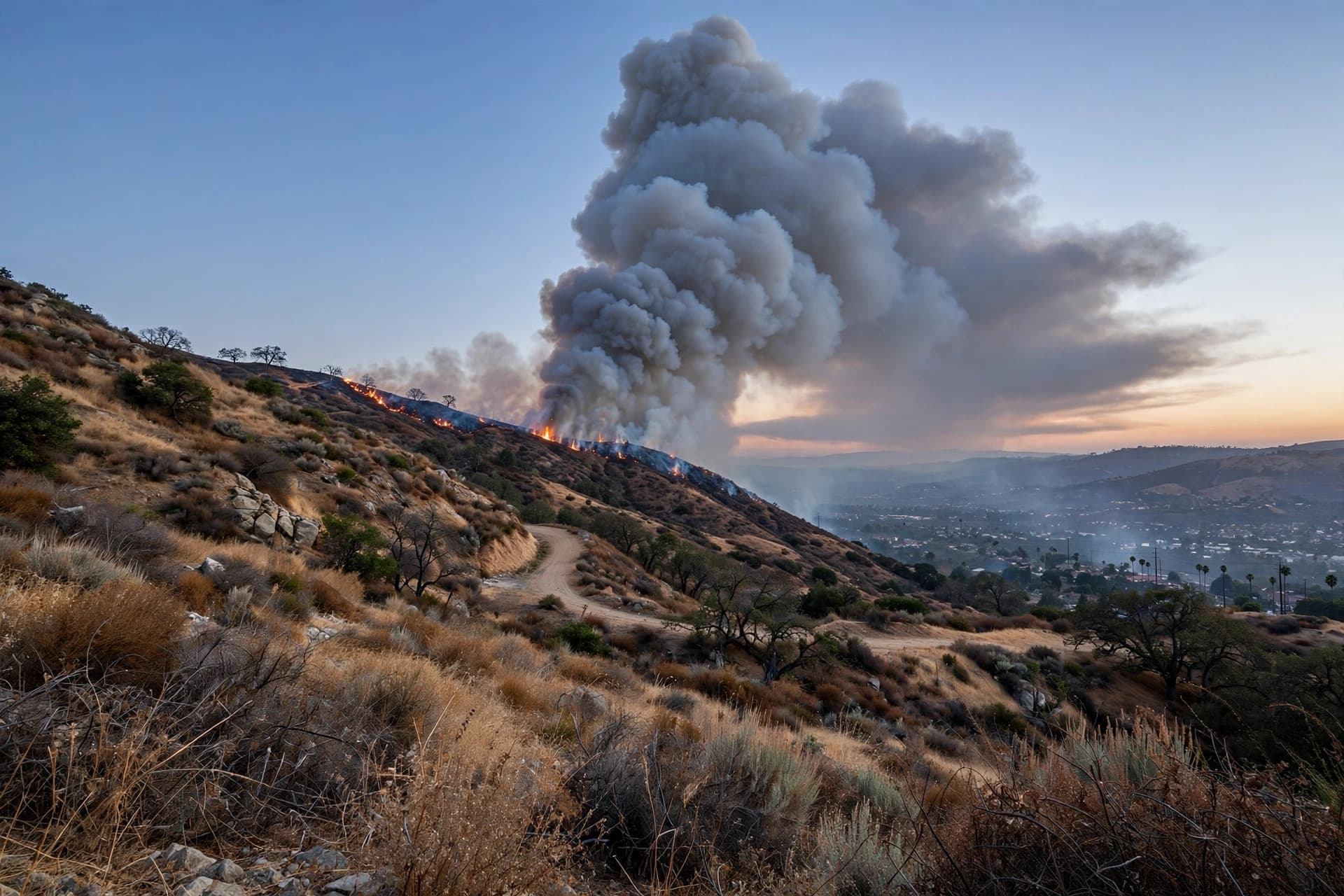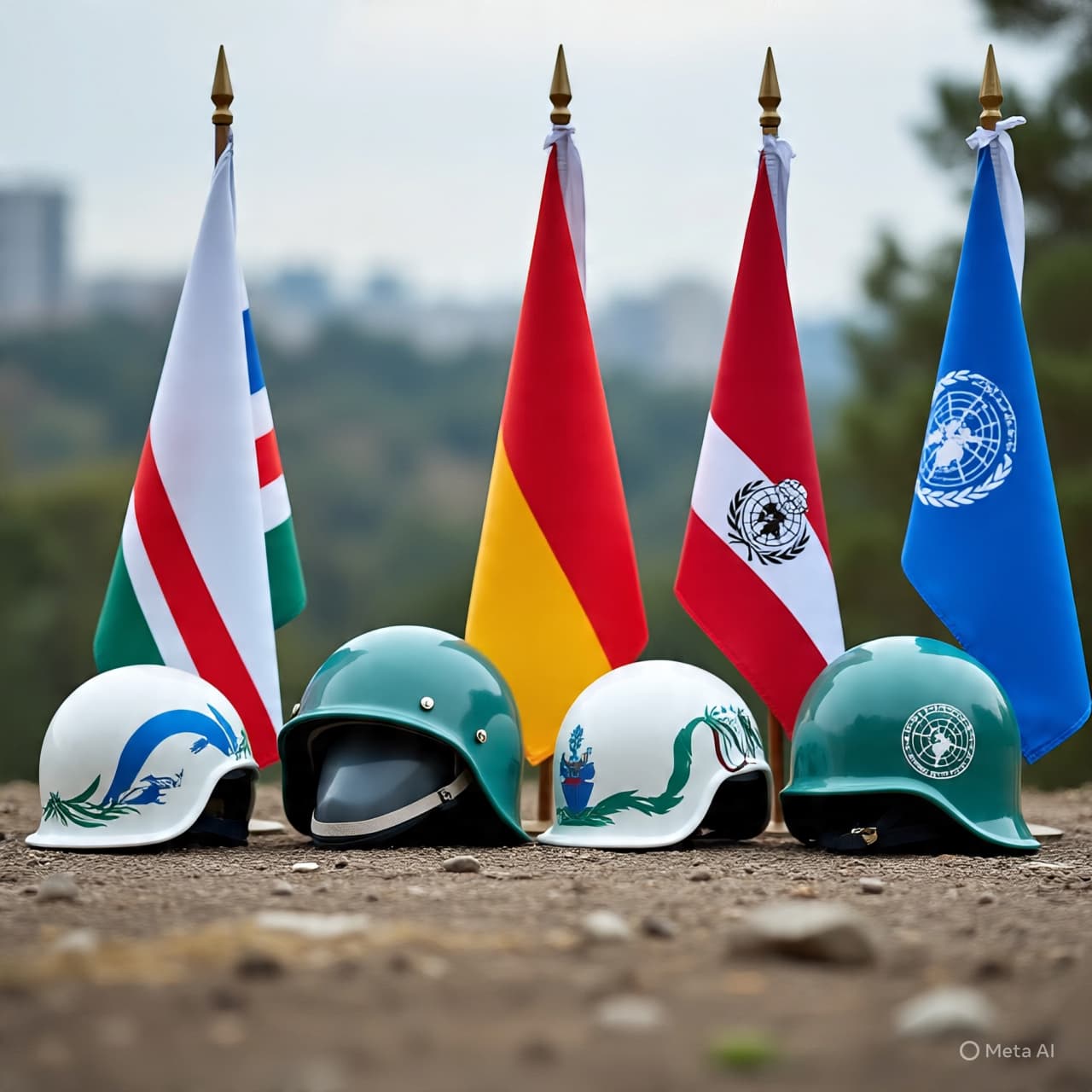
In conflicts that stretch on without resolution, certain spaces are meant to remain untouched. U.N. facilities, marked by flags and guarded by principle rather than force, exist as reminders that neutrality still has meaning. When those spaces are violated, the shock travels far beyond the immediate damage. In Sudan, such a line was crossed.
The United Nations secretary-general said six international peacekeepers were killed in a drone strike on a U.N. facility, underscoring the growing dangers faced by personnel operating amid Sudan’s ongoing conflict. The attack struck a location intended for protection and coordination, not combat, highlighting how modern warfare increasingly blurs boundaries once considered firm.
According to U.N. officials, the peacekeepers were carrying out their duties when the facility was hit. While details surrounding responsibility for the strike remain under investigation, the use of drones reflects a wider pattern in the conflict, where remote weapons have expanded both reach and unpredictability. What was once distant from front lines is now vulnerable.
The secretary-general condemned the attack and emphasized that peacekeepers are not combatants. Their role is to monitor, assist, and protect civilians, often at great personal risk. The deaths, he said, represent not only a tragic loss of life but also a direct challenge to international norms designed to shield humanitarian and peacekeeping operations.
Sudan’s war has steadily eroded those norms. As fighting between rival forces drags on, infrastructure has collapsed, civilians have been displaced, and aid operations have been repeatedly disrupted. The strike on a U.N. facility illustrates how little separation now exists between military objectives and humanitarian presence.
For the countries that contributed the fallen peacekeepers, the news resonates deeply. Peacekeeping missions are built on trust — trust that neutrality will be respected, and that the international community can still act as a stabilizing force. Each loss strains that confidence, making future deployments more uncertain.
The United Nations has called for accountability and renewed respect for international humanitarian law. At the same time, officials acknowledged the harsh reality on the ground, where enforcement of those principles grows more difficult by the day.
As investigations proceed, the six deaths stand as a stark reminder of the risks embedded in efforts to contain violence rather than participate in it. In Sudan, even those tasked with keeping the peace are no longer shielded by distance or designation. What remains is a shared obligation to confront that reality before the cost rises further.
Published by Banx Network. This article is part of the Banx decentralized media programme, powered by the BXE token on the XRP Ledger.