In the heart of the Sahel, where stability is often fragile and power shifts like sand in the wind, a sudden storm has erupted. Soldiers in Niger have launched attacks on the Presidential Palace and the airport, sending shockwaves through the ruling junta and the nation at large. This act of insubordination is not just a military maneuver but a symptom of deeper fractures within the structures of authority.
The targeting of such symbolic locations underscores the intensity of the conflict. The Presidential Palace represents the seat of power, while the airport is a gateway to the world. By striking both, the attackers signal a desire to disrupt both internal governance and external connections. It is a bold move that reveals the volatility of the current political landscape.
For the junta, which came to power through its own coup, this challenge is ironic and dangerous. It highlights the precarious nature of rule by force, where loyalty is often conditional and alliances fleeting. The attack shakes the confidence of the leadership, forcing them to confront the possibility that their own ranks may turn against them.
The civilian population finds itself caught in the crossfire, unsure of whom to trust or what to expect. Daily life is disrupted by the sounds of conflict and the uncertainty of the outcome. For many, this is a reminder of the instability that has plagued the region for years, making peace seem like a distant dream.
International partners, including neighboring countries and global powers, are watching closely. The situation in Niger has broader implications for regional security, particularly in the fight against extremism. A destabilized Niger could create vacuums that hostile groups might exploit, affecting the entire Sahel.
As the dust settles, questions arise about the motivations behind the attack. Is it a power struggle within the military, or a response to unpopular policies? Understanding these dynamics is key to predicting what comes next. The answer may lie in the complex web of ethnic, political, and economic factors that define Nigerien society.
Despite the chaos, there is a hope for resolution through dialogue or decisive action. The resilience of the Nigerien people has been tested before, and it will be tested again. Their ability to endure and adapt will be crucial in navigating this latest chapter of uncertainty.
Soldiers in Niger have attacked key government sites, challenging the ruling junta and raising concerns about stability. The incident highlights the fragility of power in the region and the need for swift resolution.
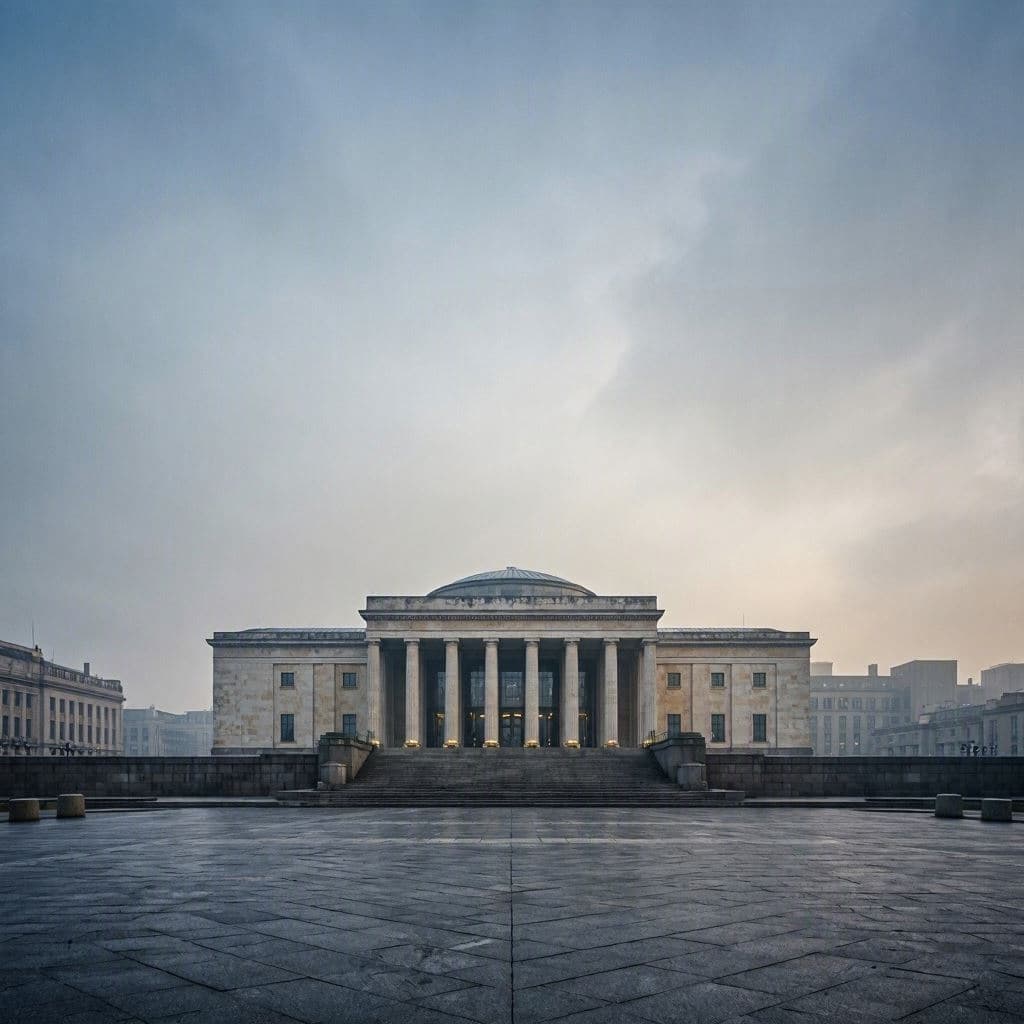
AI Image Disclaimer: Visuals accompanying this story are AI-generated and intended to provide atmospheric context rather than depict the actual crime scene.
Sources: Reuters BBC News France 24
Published by Banx Network. This article is part of the Banx decentralized media programme, powered by the BXE token on the XRP Ledger.