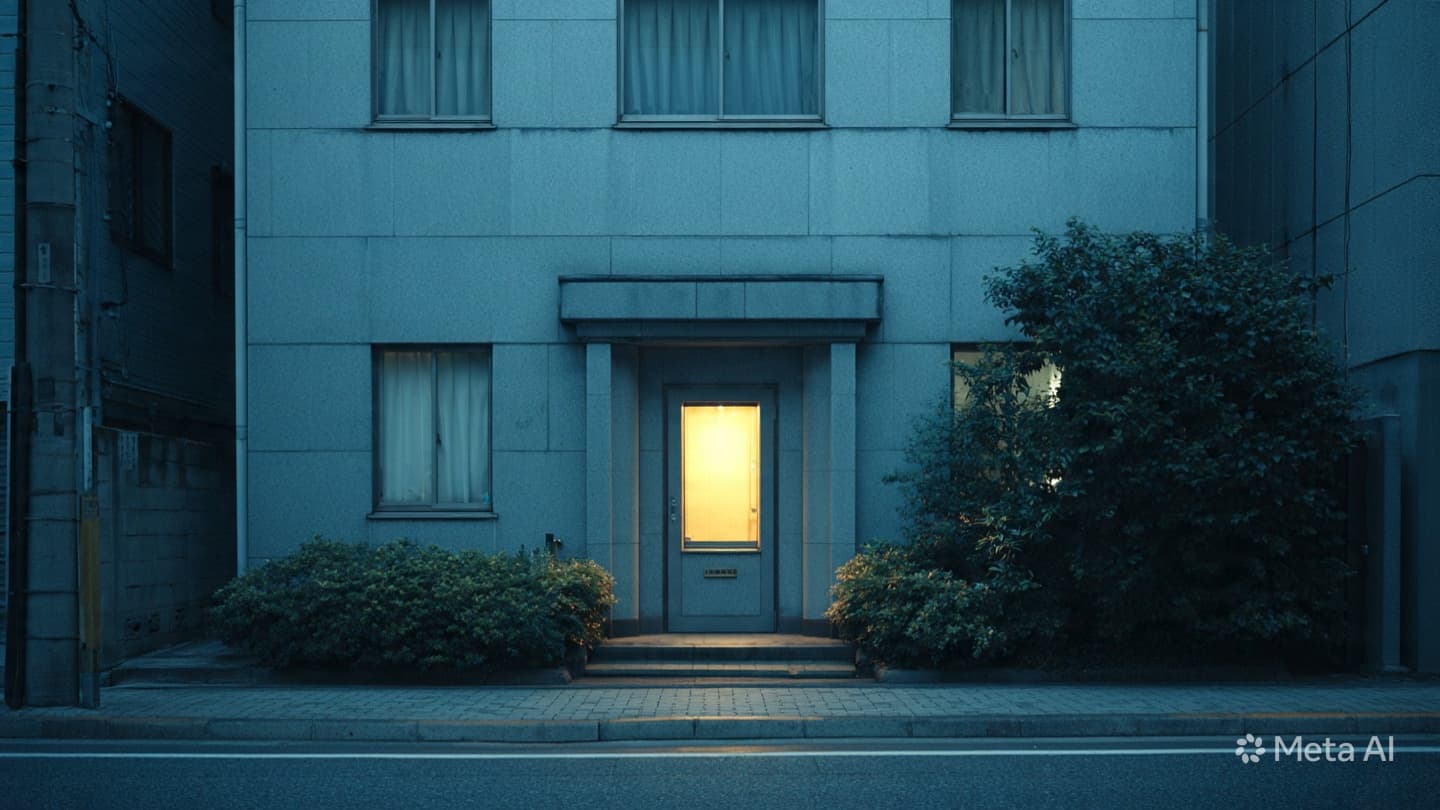
In the quiet, nondescript corners of our city, where the bustle of the main streets fades into a low, steady murmur, there exist spaces that attempt to mimic the sanctity of the healing arts. Underground medical clinics, operating without the sanction of the state or the rigor of professional oversight, represent a profound, troubling intersection of hope and deception. They are, in essence, shadows of the clinics we trust, built on the desperate need for care and the willingness of individuals to seek refuge in places that offer the appearance of safety without the reality of it.
The uncovering of these facilities by authorities is a stark, sobering moment of clarity. It is not an act of hostility against the patient, but an act of protection, a necessary intervention in a space where the boundaries of medical ethics have been completely erased. To find a clinic operating in the dark is to confront the reality of a society that has, for some, become inaccessible or untrustworthy. The investigators, with their clinical, observational focus, catalog the lack of equipment, the absence of licensure, and the improvisational nature of the care being offered, turning a facade of healing into a clear, evidentiary fact.
There is a deep, resonant sadness in the story of these clinics. It is a reflection of the profound inequality that can exist within our urban environments, where the gap between the formal healthcare system and the vulnerable is wide enough for such operations to thrive. The patients who visit these sites are not seeking out danger; they are seeking a solution to an ailment or a need that they feel the system has overlooked or rendered too costly. The clandestine clinic is a mirror, showing us the parts of our society that remain, despite all our progress, in the shadows.
When the authorities close these doors, they are tasked with the difficult work of not just ending the illicit service, but also considering the broader implications for the community. The investigation is a bridge that leads to the conclusion that the answer is not just in the enforcement of the law, but in the expansion of legitimate, affordable access to healthcare. It is a move toward a more inclusive, transparent system where the need for such shadows to exist is diminished. The closure of a clinic is a stop, but it is also an invitation for the formal system to reach further, to address the needs that these shadows were trying, however incompetently, to fill.
As the rooms are emptied and the evidence of the illicit practice is removed, there is a return to a state of quiet, regulated order. The community is safer for the intervention, protected from the hazards of unqualified care and the risks of a system that operated without any account for its outcomes. Yet, the memory of the clinic serves as a persistent, quiet reminder of the work that remains. The health of the city is not just measured in the quality of its hospitals, but in how well it cares for all its citizens, particularly those who might feel the need to look elsewhere.
The legal response has been one of consistent, rigorous enforcement. Authorities have launched national initiatives to identify and inspect unregistered medical facilities, ensuring that all practitioners are held to the highest standards of professional conduct and safety. Recent investigations have resulted in the immediate closure of numerous clandestine clinics and the prosecution of those responsible for providing unauthorized, and often dangerous, medical services. Official health departments emphasize that the integrity of the medical profession is paramount to the public welfare and that the crackdown will continue until all health services operate under strict, transparent, and legal oversight.
Published by Banx Network. This article is part of the Banx decentralized media programme, powered by the BXE token on the XRP Ledger.