
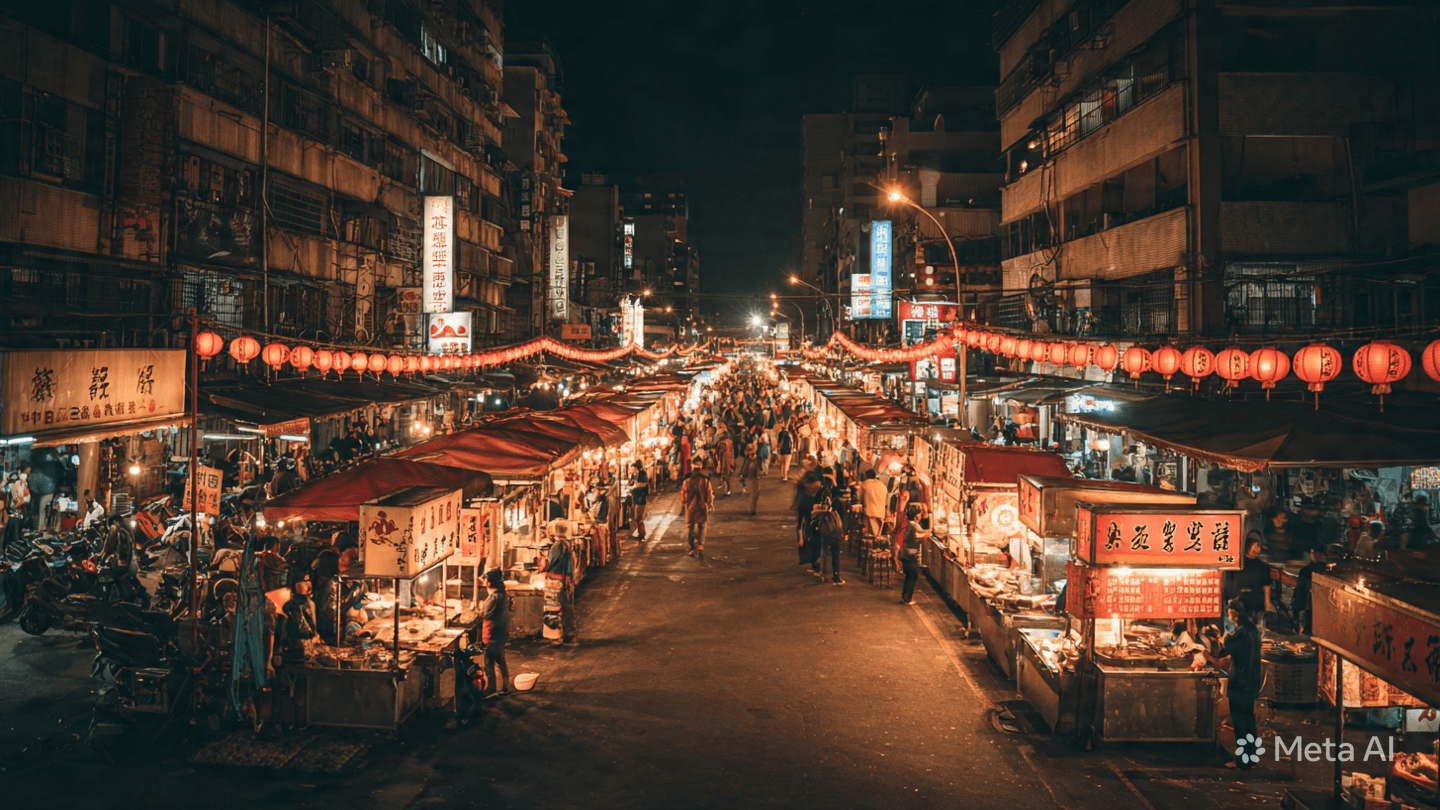
The night markets of Kaohsiung are the vibrant, sensory heart of the city, where the air is thick with the scent of simmering spices and the sound of a thousand conversations. They are spaces of communal gathering, where the boundary between public and private life dissolves under the glow of neon lights and the bustling activity of vendors. It is here that the city finds its most authentic expression—a chaotic, welcoming rhythm that persists long after the sun has set. When an act of senseless violence punctures this atmosphere, it creates a jarring silence that ripples through the market stalls, forcing a meditation on the sanctity of these shared spaces.
The incident at the market stand was sudden, a rupture in the delicate social fabric of the evening. For the vendor, whose presence was a staple of the nightly routine, the violence was an incomprehensible intrusion into a life defined by work and connection. The market, designed for the quiet commerce of food and friendship, became a site of critical trauma, leaving onlookers and neighbors to grapple with the realization that even in the most familiar places, we are susceptible to the unexpected volatility of human malice. It is a moment that challenges our sense of belonging.
In the aftermath, the market stalls stand as silent witnesses to the event. The flashing lights of emergency vehicles replace the soft glow of the market lanterns, and the usual hum of commerce is hushed into an uneasy stillness. It is a somber experience to see the place we associate with joy and nourishment transformed into an arena of pain. The community, bound by the daily repetition of the market, feels the loss of that security acutely, as if a thread has been pulled from the tapestry of the district.
The investigation into the stabbing now probes the motivations behind the attack, searching for logic in an act that feels profoundly senseless. There is a deep, reflective inquiry into the nature of conflict resolution in high-density urban areas and the degree to which we are responsible for the safety of one another. The market is not merely a place of trade; it is a micro-society, and the violation of one of its own is a violation of the collective whole. We are left to ponder the thin line that exists between communal harmony and sudden, destructive discord.
Discourse following the attack centers on the balance between maintaining the open, accessible nature of Kaohsiung’s markets and implementing the necessary security to deter such incidents. There is a shared, reflective desire to preserve the spirit of these places—their warmth, their inclusivity, and their vibrancy—without losing sight of the need for protective measures. It is a difficult negotiation, one that asks us to value our public spaces enough to invest in their security while ensuring that the light of the market is never extinguished by the shadows of fear.
As the market slowly prepares to resume its nightly cycle, the community moves with a tempered, watchful awareness. The event serves as a call to re-embrace the bonds that sustain the market, recognizing that the strength of these spaces lies in the collective vigilance and care of those who inhabit them. We move forward, carrying the memory of the trauma, but driven by the imperative to restore the sanctity of the market as a place of peace, connection, and life.
Ultimately, the violence in the market is a reflection on the fragility of our social connections. We build our cities to foster intimacy and encounter, yet we remain vulnerable to the shadows that exist within them. By fostering a culture of mutual support, transparency, and communal responsibility, we can continue to cherish the night markets as the beating hearts of our city. It is a journey of restoration, a commitment to ensuring that the warmth of the market outshines the darkness of the act.
The Kaohsiung City Police have identified a person of interest in connection with the stabbing, and forensic teams are currently canvassing the market area for further evidence. The vendor remains in critical condition under intensive care at a local hospital. In response to the incident, the local market association has announced plans to work with law enforcement to enhance security patrols and lighting throughout the night market district to ensure the safety of both vendors and patrons.
Published by Banx Network. This article is part of the Banx decentralized media programme, powered by the BXE token on the XRP Ledger.

.jpg&w=3840&q=75 "Blake Lively Awarded $400,000 in Legal Fees After Justin Baldoni Lawsuit Dismissed")