
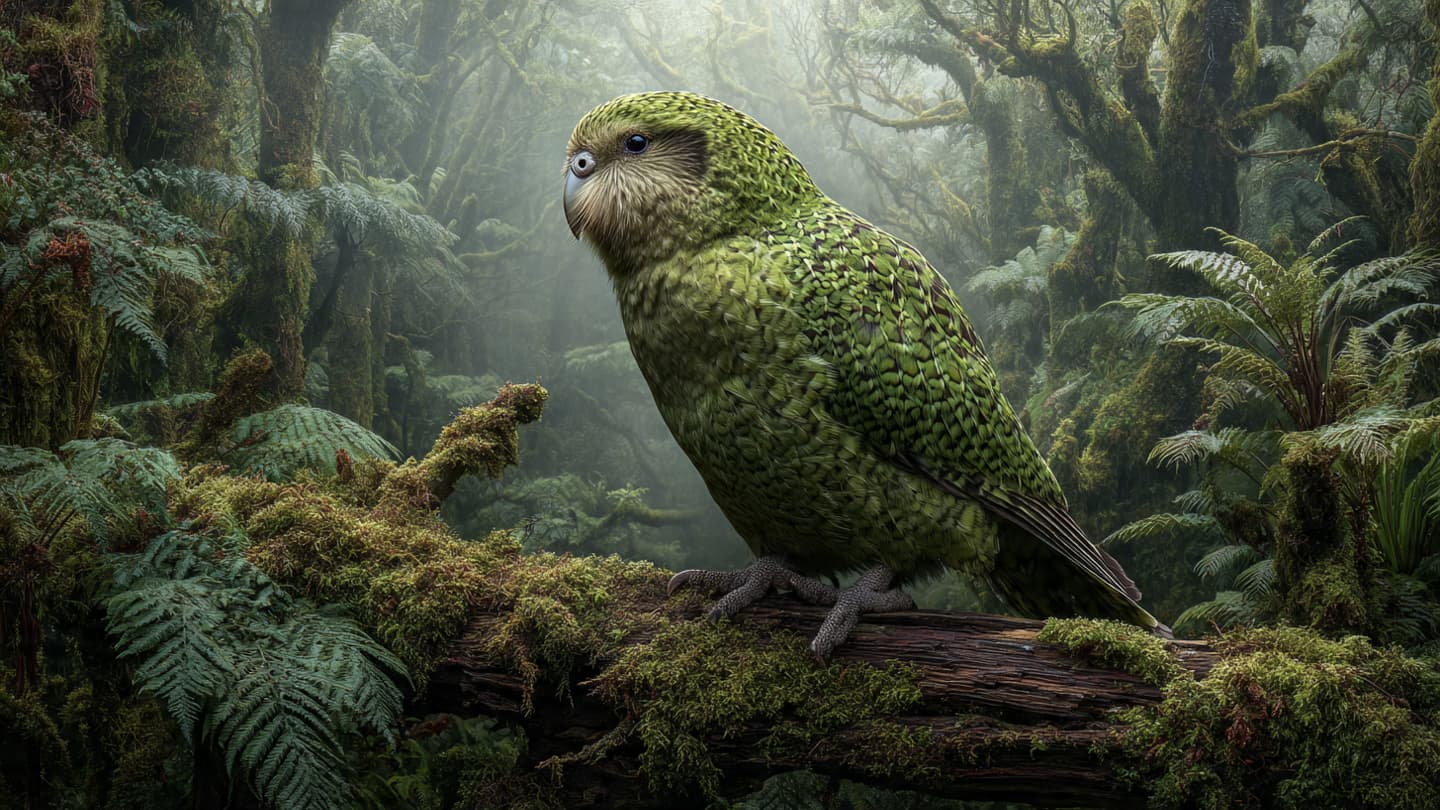
Key Highlights
- Population Growth:The Kākāpō population has reached its highest level in over 50 years.
- Successful Breeding:Recent breeding seasons have contributed significantly to the population increase.
- Conservation Efforts:Intensive management strategies are being implemented to ensure the species' survival.
The Kākāpō, a flightless parrot native to New Zealand, has recently made headlines as its population has surged to the highest level recorded in over half a century. This remarkable turnaround is attributed to a series of successful breeding seasons and dedicated conservation efforts by New Zealand's Department of Conservation. As of now, the population stands at approximately 247 individuals, each uniquely named and monitored closely by conservationists.
Historically, the Kākāpō faced near extinction due to habitat loss and the introduction of predators. Their deep, booming calls, once a common sound in New Zealand's forests, had become increasingly rare. However, the recent increase in numbers signifies a hopeful shift in the narrative surrounding this iconic species. Conservationists have employed a range of strategies, including genetic screening and supplemental feeding, to bolster the Kākāpō's chances of survival.
The breeding program has proven successful, with each new chick representing not just a biological victory but a testament to the collective efforts of scientists and volunteers dedicated to preserving this unique bird. The Kākāpō's slow reproductive rate means that every chick is crucial for the species' recovery, and the recent successes have instilled a sense of cautious optimism within the conservation community.
As the Kākāpō population grows, the focus is shifting towards expanding their habitat. Conservationists are exploring new predator-free locations where these birds can thrive without human intervention. The dream of reintroducing the Kākāpō to their former mainland habitats is becoming more tangible, as researchers work diligently to ensure the long-term health and genetic diversity of the population.
Monitoring efforts are ongoing, utilizing satellite tagging to track the movements and health of the Kākāpō. This technology allows researchers to gather valuable data on their behavior and habitat use, which is essential for future conservation planning. The Kākāpō's journey from the brink of extinction to a burgeoning population is a powerful reminder of the impact that dedicated conservation efforts can have on endangered species.
In the lush, moss-drenched forests of New Zealand, the Kākāpō continues to symbolize resilience and hope. As they navigate their environment with a unique grace, these birds remind us of the importance of preserving our planet's biodiversity. The recent milestones in Kākāpō conservation not only highlight the success of current efforts but also serve as a call to action for continued support and awareness in the fight against extinction.
As the moonlight filters through the trees, illuminating the path of these remarkable birds, there is a renewed sense of peace in the forests of New Zealand. The Kākāpō, once on the verge of disappearing, now stands as a beacon of hope for conservationists and wildlife enthusiasts alike, embodying the spirit of perseverance in the face of adversity.
Published by Banx Network. This article is part of the Banx decentralized media programme, powered by the BXE token on the XRP Ledger.



