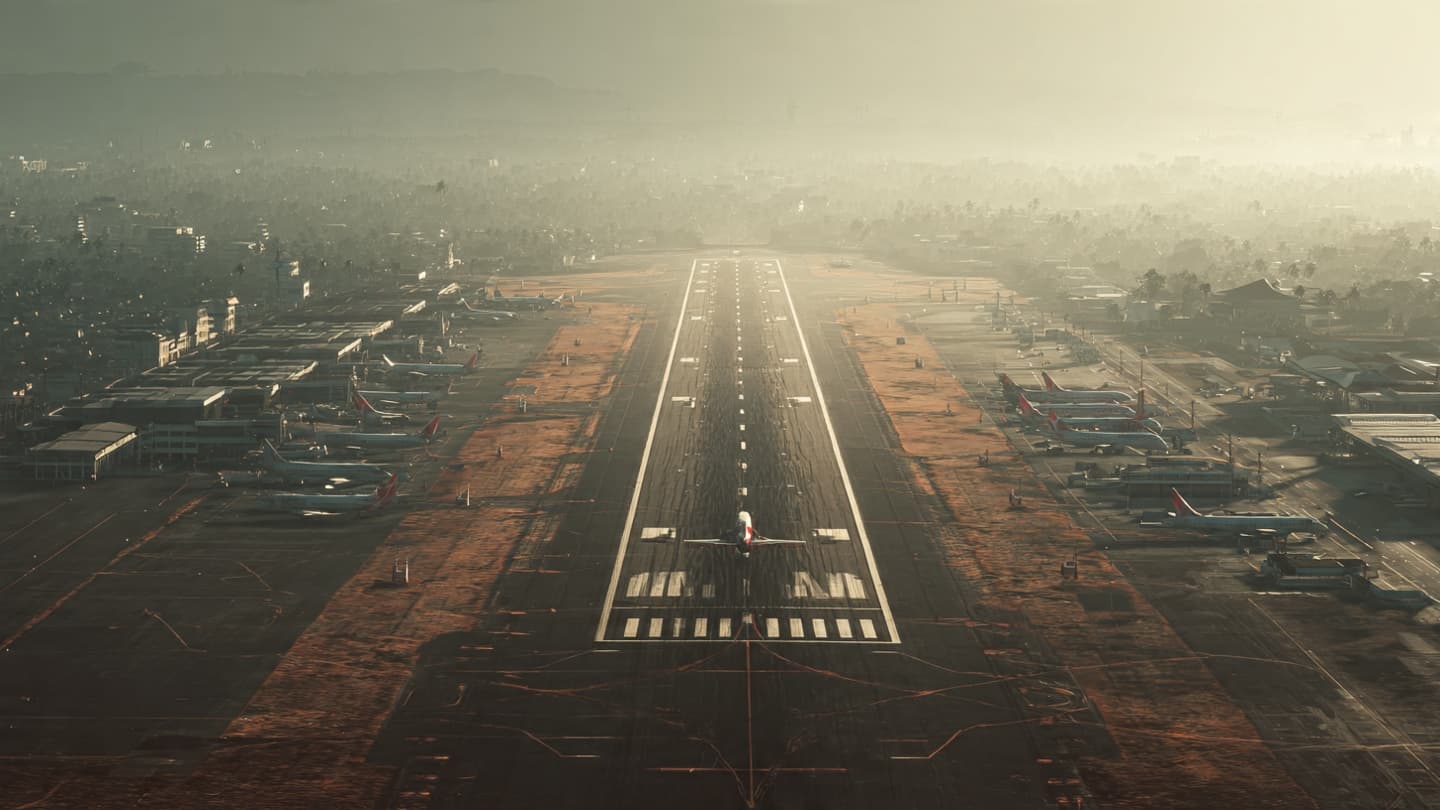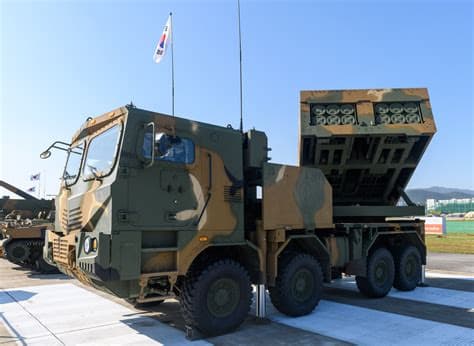
The border between Israel and Lebanon, a line drawn on maps but deeply etched into the landscape of history, has once again become a theater of intense volatility. In a recent escalation, seven individuals were reported killed following Israeli airstrikes in southern Lebanon. This violence erupted in response to drone attacks by Hezbollah targeting Israeli troops, marking another grim chapter in a cycle of retaliation that has kept the region in a state of suspended anxiety for months.
The incident underscores the fragility of the ceasefire that has long been hoped for but rarely realized. Hezbollah’s use of drones represents a shift in tactical engagement, allowing for precise strikes that challenge traditional defense mechanisms. For the Israeli military, these incursions are viewed as direct threats to national security, necessitating a robust and immediate response to deter further aggression and protect personnel stationed near the boundary.
In southern Lebanon, the aftermath of the airstrikes brings sorrow and disruption to communities already weary from conflict. The reported casualties include both combatants and, according to some local sources, civilians caught in the crossfire. Each loss adds to the mounting human toll, reminding observers that behind the strategic maneuvers are families whose lives are upended by the sudden roar of explosions and the shadow of uncertainty.
Diplomatic efforts to de-escalate tensions have struggled to gain traction amidst the reciprocal violence. International mediators continue to call for restraint, urging both sides to prioritize dialogue over force. However, the deep-seated mistrust and historical grievances make such appeals difficult to heed. The cycle of action and reaction creates a momentum that is hard to stop, pulling the region closer to a broader confrontation.
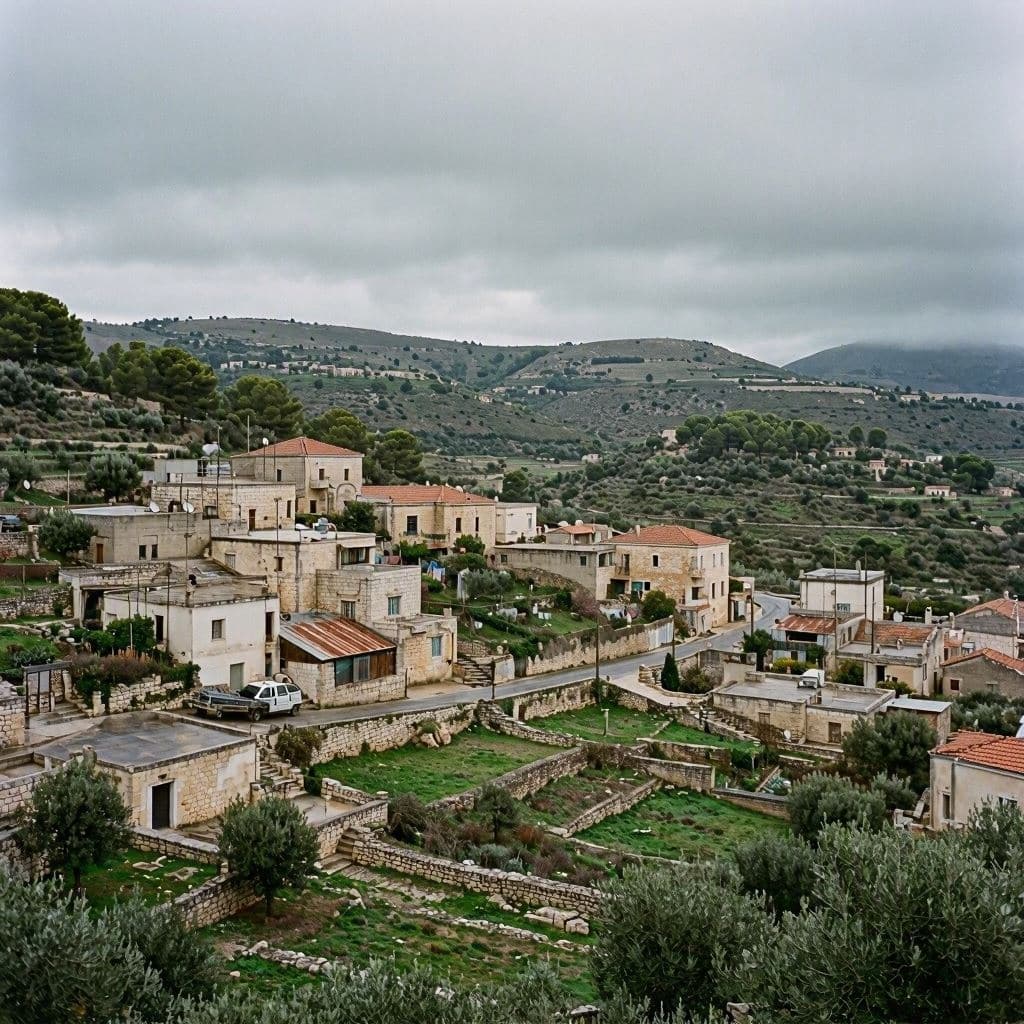
For the residents living in the border villages, daily life is dictated by the rhythm of alerts and sirens. Schools close, fields lie fallow, and homes are fortified against potential shelling. The psychological weight of living in a war zone is heavy, fostering a resilience that is both admirable and heartbreaking. These communities bear the brunt of geopolitical struggles that are often beyond their control.
The international community watches with concern, aware that any miscalculation could spark a wider regional war. Aid organizations prepare for potential displacement, while governments issue travel warnings and diplomatic statements. The focus remains on preventing the situation from spiraling out of control, though the path to stability remains obscured by the fog of ongoing hostilities.
As night falls over the Levant, the silence is tentative. Both sides assess the damage and plan their next moves, while the world holds its breath. The hope for peace persists, however faintly, driven by the universal desire for safety and normalcy in a land that has known too much strife.
The latest exchange of fire between Israel and Hezbollah highlights the persistent instability in the region. With seven reported deaths, the human cost of this conflict continues to rise, underscoring the urgent need for diplomatic solutions to break the cycle of violence and protect vulnerable populations.
AI Image Disclaimer: The visual representations accompanying this article are generated by artificial intelligence to illustrate the context of the report.
Sources: Reuters Associated Press Al Jazeera
Published by Banx Network. This article is part of the Banx decentralized media programme, powered by the BXE token on the XRP Ledger.