
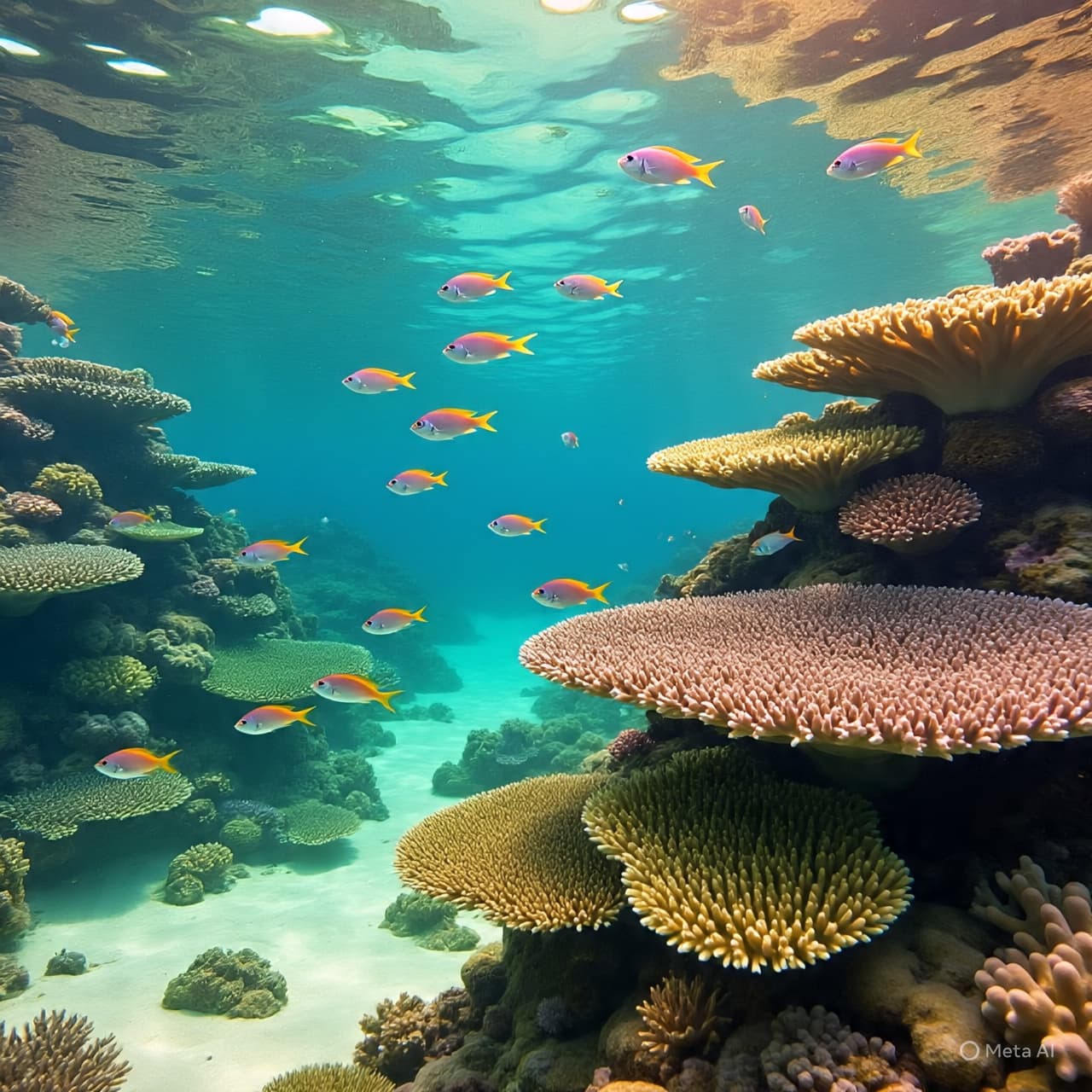
Key Highlights
- Rising temperatures in the Great Barrier Reef are alarming scientists.
- Coral bleaching threatens the delicate marine ecosystem.
- Long-term monitoring reveals a concerning trend in ocean health.
The Great Barrier Reef, often described as a submerged cathedral, is facing unprecedented challenges as rising ocean temperatures threaten its delicate ecosystem. Recent data from monitoring stations along the Queensland coast indicate that the waters are experiencing a significant increase in temperature, raising alarms among scientists and environmentalists alike. This phenomenon is not merely a seasonal anomaly but part of a troubling trend that has been developing over decades, with implications for the entire marine environment.
As the Australian summer transitions into autumn, the reef's waters have recorded temperatures that are higher than ever before. This increase poses a serious risk to the coral, which relies on a specific range of conditions to thrive. When temperatures rise, the symbiotic relationship between coral and the algae that give it color begins to break down, leading to coral bleaching. This process not only diminishes the reef's vibrant colors but also threatens the myriad of marine species that depend on coral for habitat and sustenance.
Data collected from various monitoring stations reveal a concerning narrative. In March, record-breaking temperatures were documented, indicating a shift in the thermal baseline of the reef. Scientists are closely observing these changes, recognizing that the resilience of the reef is being tested by climate change and human activity. The health of the reef is intricately linked to the overall health of the ocean, making it a critical indicator of environmental stability.
The impact of rising temperatures is felt most acutely in the northern regions of the reef, where pristine waters are now showing signs of stress. Different areas of the reef respond variably to thermal pressures, with some regions demonstrating resilience while others remain in a fragile state. This variability underscores the complexity of marine ecosystems and the need for comprehensive monitoring and research to understand the full extent of these changes.
Reflecting on the state of the Great Barrier Reef requires a shift in perspective. It is essential to move beyond the immediate crisis narratives and engage in long-term observation and stewardship. The reef, while a stunning natural wonder, is also a vulnerable ecosystem that requires our attention and care. As temperatures continue to rise, the silent changes occurring beneath the surface serve as a reminder of our responsibility to protect this vital part of our planet.
As the seasons change and cooler waters approach, there remains hope for recovery. The Great Barrier Reef has a history of resilience, having survived past climate shifts and environmental changes. However, the increasing frequency of thermal events raises concerns about the future of this iconic ecosystem. It is crucial to acknowledge these changes and commit to monitoring efforts that will help us understand and mitigate the impacts of climate change on the reef.
In conclusion, the Great Barrier Reef stands as a symbol of the earth's beauty and fragility. The rising temperatures in its waters are not just numbers; they represent a call to action for all of us to engage in the preservation of our natural heritage. By understanding the implications of these changes, we can work towards a sustainable future for the reef and the countless species that call it home.
Published by Banx Network. This article is part of the Banx decentralized media programme, powered by the BXE token on the XRP Ledger.



