
Key Highlights
- Glaciers in the Southern Alps show signs of stabilization after a colder winter.
- Recent observations indicate a brief respite from retreating ice.
- Local communities rely on glaciers for water sources and ecological balance.
Recent observations in the Southern Alps of New Zealand reveal a moment of stabilization for the region's glaciers, following a colder winter that has provided a temporary reprieve from their ongoing retreat. This development is significant as it highlights the complex relationship between climate patterns and glacial health, offering a glimmer of hope amid the broader narrative of climate change.
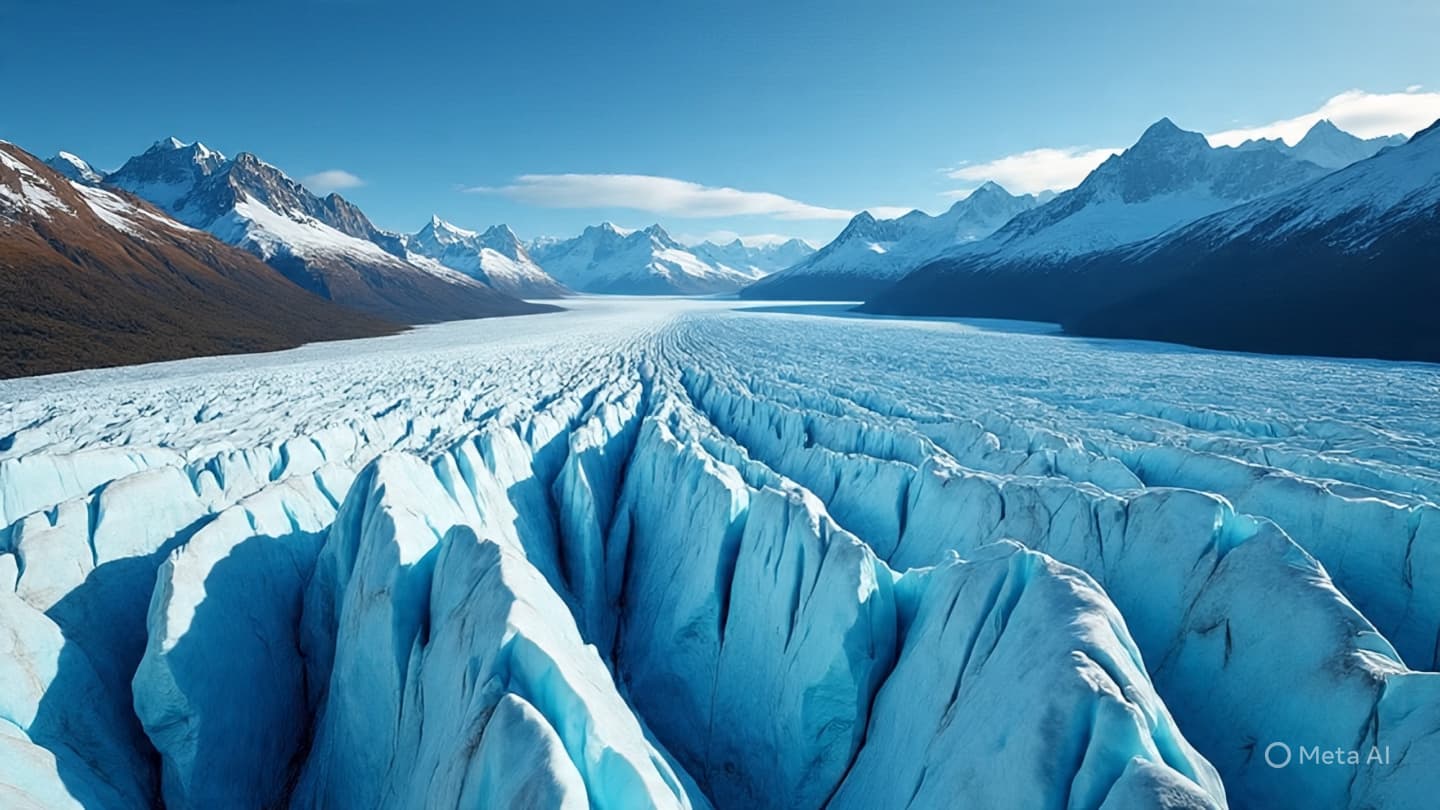
The Southern Alps, known for their breathtaking landscapes and towering peaks, have long been a subject of scientific study due to their sensitivity to climate variations. The glaciers, which serve as vital water sources for surrounding communities, have been receding at alarming rates in recent years. However, this winter's colder temperatures have allowed for a thicker snowpack to accumulate, providing a brief moment of stability for these frozen giants.
Scientists and glaciologists have been closely monitoring these changes, utilizing advanced instruments to measure ice density and flow dynamics. Their research aims to understand the intricate interplay between atmospheric conditions and glacial behavior. The data collected during this period is crucial for predicting future trends and assessing the long-term impacts of climate change on these vital ecosystems.
For the local communities that inhabit the valleys below, the health of the glaciers is not just an environmental concern; it is a matter of survival. The glaciers are the headwaters of major rivers that nourish the plains and sustain agriculture. A healthy snowpack is a reassuring sign that the natural cycles of the seasons remain intact, providing essential resources for both people and wildlife.
The Southern Alps' glaciers are not only a source of water but also a testament to the Earth's climatic history. Each layer of ice encapsulates atmospheric conditions from different eras, serving as a record of temperature fluctuations and environmental changes over millennia. Observing these glaciers is akin to reading a natural history book, where each crevice and crack tells a story of resilience and adaptation.
As the seasons shift and warmer temperatures approach, the glaciers will inevitably face new challenges. However, the current stabilization offers a moment of reflection and appreciation for the natural world. It underscores the importance of continued research and conservation efforts to protect these fragile ecosystems from the ongoing threats posed by climate change.
In conclusion, while the Southern Alps glaciers have shown signs of stabilization, the fight against climate change continues. Researchers remain vigilant, monitoring these ice formations to ensure that they can withstand the pressures of a warming planet. The resilience of these glaciers serves as a reminder of nature's capacity for endurance, even in the face of adversity.
Published by Banx Network. This article is part of the Banx decentralized media programme, powered by the BXE token on the XRP Ledger.



