
Key Highlights
- Current sea surface temperatures are 0.8–1.2°C above long-term averages.
- No prevalent coral bleaching has been observed across most regions.
- Increased rainfall and cloud cover are expected to mitigate heat stress.
The Great Barrier Reef, a UNESCO World Heritage site, is currently facing the challenges posed by rising sea temperatures. In the far northern reaches of this iconic ecosystem, the delicate balance of life is under constant scrutiny as scientists monitor the impacts of climate change. With sea surface temperatures reported to be 0.8 to 1.2 degrees Celsius above long-term averages, the resilience of the reef is being tested like never before.
Despite these elevated temperatures, the latest health update from the Great Barrier Reef Marine Park Authority indicates that widespread coral bleaching has not yet been observed. This is a significant finding, suggesting that certain areas of the reef are managing to withstand the heat better than anticipated. Factors such as localized cloud cover and cooler currents play a crucial role in this resilience, providing temporary relief from the intense summer sun.
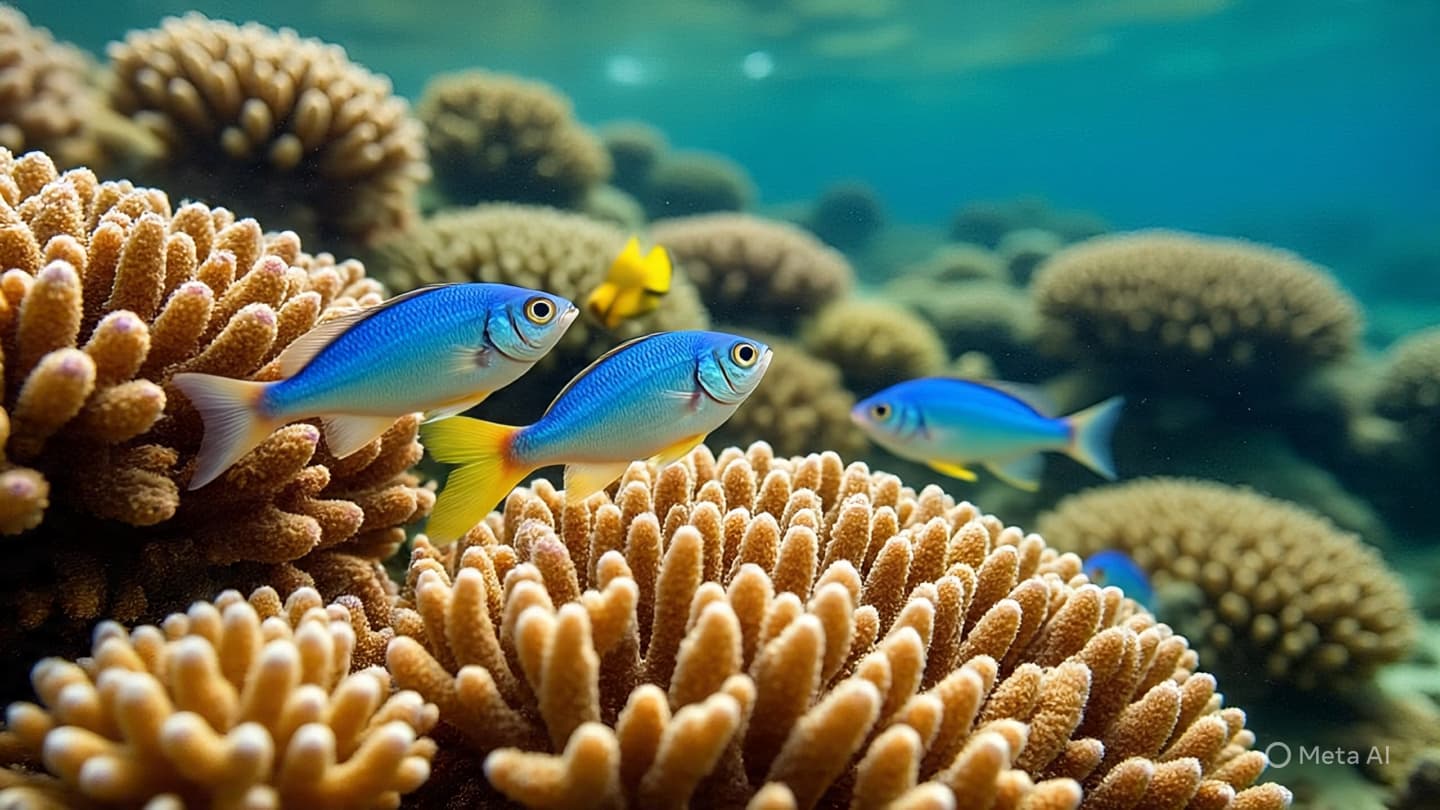
As summer progresses, the reef comes alive with activity. Turtle hatchlings make their way from sandy nests to the ocean, while various fish species engage in spawning rituals. This vibrant display of life serves as a reminder that the reef is not merely a static environment but a dynamic ecosystem that adapts to changing conditions. The interplay of light and water creates a stunning visual spectacle, showcasing the intricate relationships between coral, fish, and other marine organisms.
Monitoring efforts have intensified, with researchers diving into the waters to assess the health of coral polyps and document any changes in coloration. These observations are vital for understanding how the reef is adapting to the warmer waters. The data collected not only informs conservation strategies but also highlights the ongoing struggle for survival faced by these marine communities.
The coral formations in the northern Great Barrier Reef are particularly striking, resembling massive cathedrals that provide shelter for countless marine species. This architectural beauty is a testament to the resilience of coral, which continues to grow and thrive even in the face of environmental stressors. The return of symbiotic algae, which provide essential nutrients to the coral, is a positive sign of recovery and adaptation.
As the wet season approaches, forecasts predict increased rainfall and cooling winds, which could offer much-needed respite for the reef. This natural cycle of stress and recovery is essential for maintaining the health of the ecosystem. The ability of the reef to bounce back from periods of heat stress is a crucial aspect of its resilience, reminding us of the importance of preserving such vital habitats.
In conclusion, the Great Barrier Reef stands as a symbol of endurance in the face of climate change. Its health reflects broader environmental conditions, serving as a barometer for the planet's well-being. As we witness the ongoing story of this underwater kingdom, it is imperative that we recognize our role in safeguarding its future. The reef's resilience is not just a local concern; it is a global issue that requires collective action to ensure its survival for generations to come.
Published by Banx Network. This article is part of the Banx decentralized media programme, powered by the BXE token on the XRP Ledger.



