
Key Highlights
- Takahe birds relocated to a new sanctuary in New Zealand.
- The relocation aims to expand their range and ensure species survival.
- Conservation efforts focus on creating a self-sustaining environment.
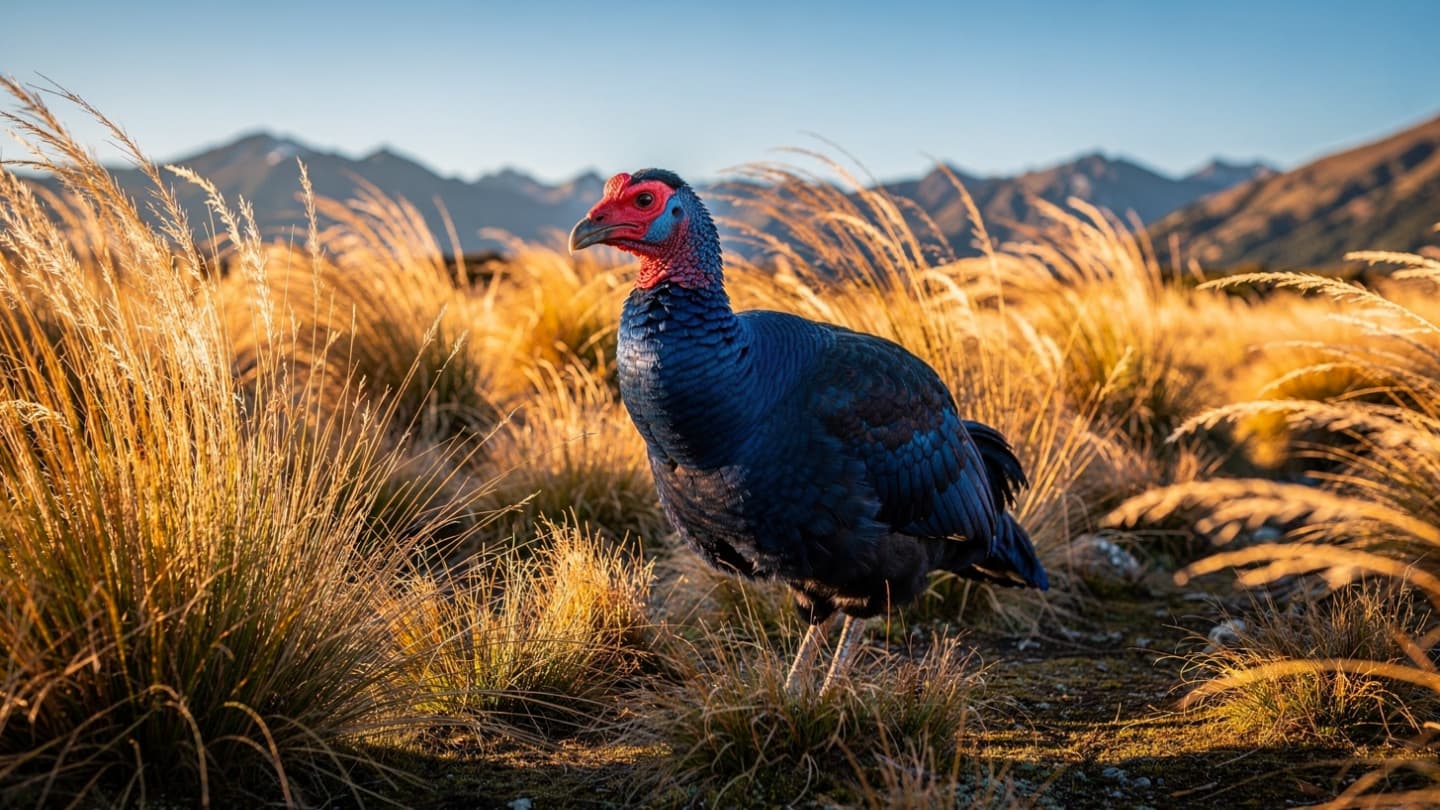
The New Zealand bush is a unique ecosystem, characterized by its rich biodiversity and the distinctive calls of its native birds. Among these, the Takahe stands out, a flightless bird with striking indigo plumage and a robust scarlet beak. Once thought extinct, the Takahe has become a symbol of conservation success, and a recent initiative has seen a small group of these birds introduced to a new sanctuary in a high-country valley.
This relocation is not merely a logistical maneuver; it represents a significant commitment to the survival of the Takahe species. The chosen valley, known for its isolation and abundant native flora, provides a safe haven from the threats that have historically pushed the Takahe toward extinction. The environment is ideal, with the right vegetation for grazing, allowing these birds to thrive in a setting reminiscent of their ancestral home.
Conservation efforts for the Takahe are characterized by a patient, long-term approach. Rangers and conservationists work diligently to monitor the birds as they acclimate to their new surroundings. Observations reveal the Takahe establishing territories and seeking out nesting sites, behaviors that are crucial for their survival. This careful observation underscores the importance of allowing nature to take its course, fostering an environment where the Takahe can flourish without human interference.
The Takahe's unique characteristics contribute to its charm and significance. Although it cannot fly, the bird moves gracefully across the rugged terrain, its vibrant colors contrasting beautifully with the natural landscape. Witnessing the Takahe in its natural habitat serves as a reminder of the delicate balance of ecosystems and the importance of preserving such species.
This new colony of Takahe marks a pivotal moment in a decades-long effort to expand their population beyond the Murchison Mountains. By diversifying their habitats, conservationists aim to reduce the risk of extinction due to catastrophic events. This strategy not only protects the Takahe but also enriches the biodiversity of New Zealand's high country.
As dusk falls over the valley, the Takahe retreat into the safety of the scrub, symbolizing a successful re-establishment in their native environment. The quiet that follows is not one of absence but of a homecoming, a testament to the resilience of nature. The true measure of success will be seen in the future generations of Takahe that will hatch and thrive in this sanctuary, reinforcing the idea that with dedication and care, we can restore what was once lost.
The journey of the Takahe serves as a powerful reminder of our role as stewards of the environment. It highlights the potential for recovery and the importance of ongoing conservation efforts to ensure that these remarkable birds continue to thrive in the wild.
Published by Banx Network. This article is part of the Banx decentralized media programme, powered by the BXE token on the XRP Ledger.



