Beneath the shifting tectonic plates and the deep oceans of our modern world lies a hidden history, written in stone and magnetic memory. For decades, geologists have pieced together the puzzle of Earth’s past, identifying famous supercontinents like Pangea. Now, new research suggests that long before Pangea, another colossal landmass may have dominated the planet, covering up to eighty percent of Earth’s surface. This discovery reshapes our understanding of the planet’s geological evolution and the conditions that allowed life to flourish.
The proposed supercontinent, often referred to in recent studies as Kenorland or part of the earlier Vaalbara assembly, dates back to the Archean eon, roughly 2.5 to 3 billion years ago. Unlike the more familiar Pangea, which formed much later, this ancient entity emerged when the Earth was still young and volatile. Evidence from zircon crystals and paleomagnetic data suggests that these early continental blocks coalesced into a single, massive shield, altering the planet’s climate and ocean chemistry.
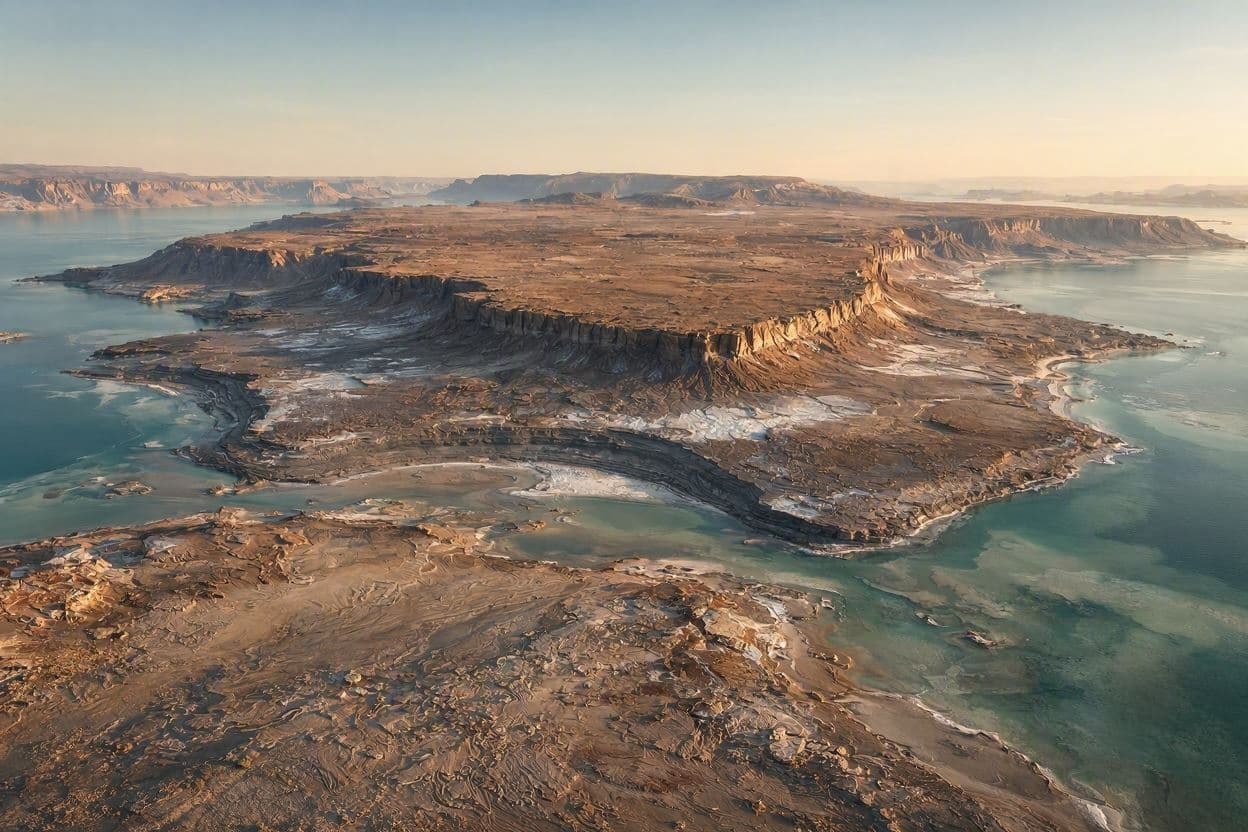
The implications of such a vast landmass are profound. A continent of this size would have significantly impacted global weather patterns, potentially creating extreme interior deserts while concentrating nutrients in the surrounding shallow seas. These nutrient-rich waters may have played a crucial role in the emergence of early life, providing the chemical ingredients necessary for biological complexity. Thus, the geology of the deep past is intimately linked to the biology of the present.
Researchers arrived at this conclusion by analyzing the isotopic signatures of ancient rocks found in diverse locations, from Canada to Australia. By correlating these geological fingerprints, they reconstructed the positions of these cratons—stable cores of continents—millions of years ago. The consistency of the data across different regions strengthens the hypothesis that these lands were once joined, forming a unified whole that dwarfed any modern continent.
This finding challenges previous models that suggested early Earth was fragmented into many small island arcs. Instead, it points to a period of significant consolidation, where tectonic forces drove large blocks together with immense power. Understanding this process helps scientists refine their models of plate tectonics, offering insights into how the Earth’s crust has behaved over billions of years.
The discovery also highlights the resilience of the Earth’s surface. While erosion and subduction have destroyed much of the physical evidence, the chemical traces remain, waiting to be decoded by advanced technology. Each new analysis brings us closer to a complete picture of our planet’s dynamic history, revealing a world that was both alien and familiar.
As we look back at this ancient supercontinent, we gain a deeper appreciation for the stability we enjoy today. The Earth is not static; it is a living, breathing system that has undergone dramatic transformations. By studying these ancient giants, we learn not only about the past but also about the forces that continue to shape our future.
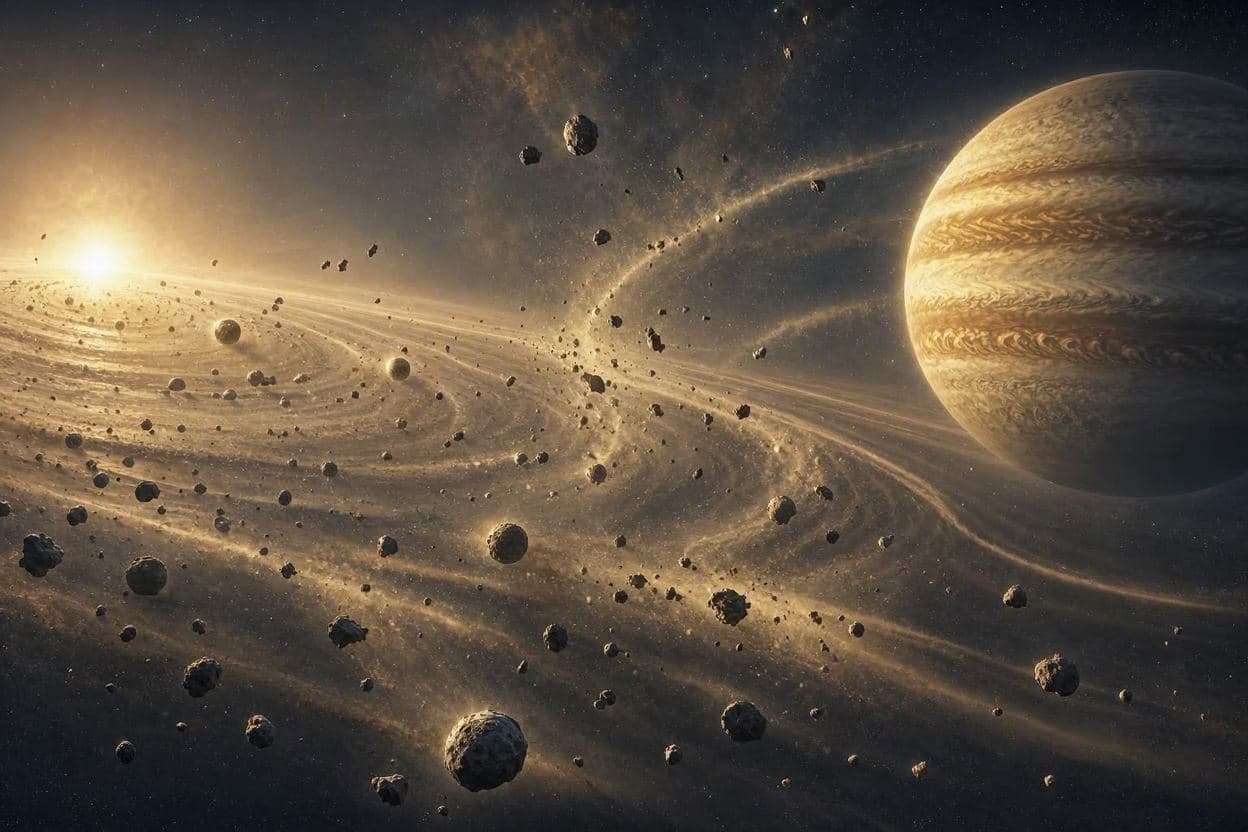
AI Image Disclaimer: The visual representations in this article are AI-generated illustrations designed to convey the concepts of ancient geology and supercontinents.
Sources: Nature Geoscience, Live Science, University of Copenhagen
Published by Banx Network. This article is part of the Banx decentralized media programme, powered by the BXE token on the XRP Ledger.