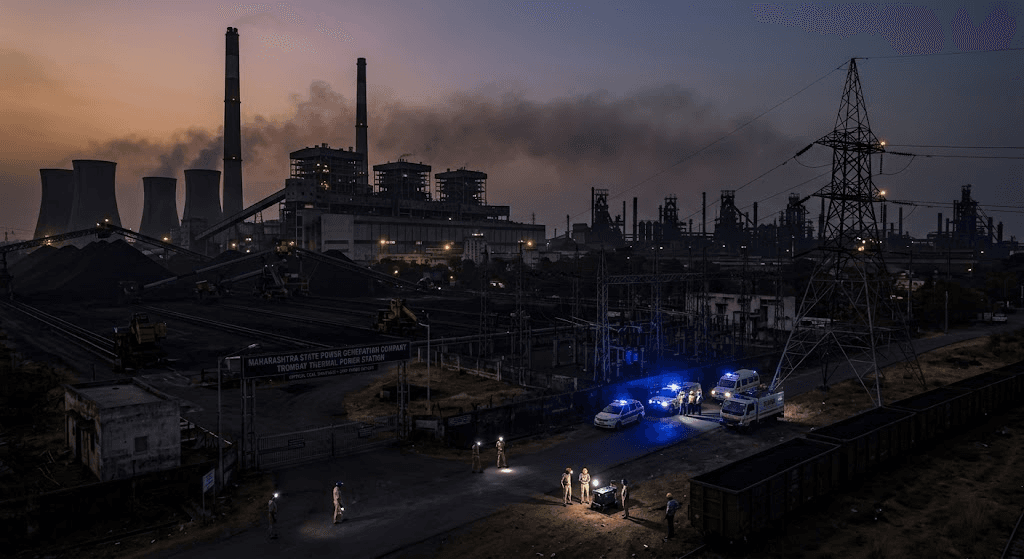
There is a moment many high earners recognize but rarely describe. The paycheck lands, large and reassuring, and for a brief instant it feels like control. Then the fire reignites. Bills, expectations, lifestyle costs, future plans, and quiet anxieties rush back in, consuming the number almost as quickly as it arrived. The check was real. The relief was temporary. The struggle remains.
On paper, high earners should be insulated from financial stress. Their incomes place them above national averages, often well above. Yet surveys and anecdotal evidence consistently show a paradox: people earning more than enough still feel behind, exposed, and uneasy. The problem is not irresponsibility so much as misunderstanding. Income, it turns out, behaves very differently from wealth.
High earnings often arrive alongside environments that normalize high spending. Professional circles, urban living, career expectations, and time scarcity all push consumption upward. Housing costs stretch to match perceived status. Convenience replaces frugality. Expenses quietly align themselves with income until the margin disappears. What looks like abundance becomes finely balanced maintenance.
Then there is volatility. Many high earners work in industries where income is uneven, performance-based, or vulnerable to shocks. Bonuses fluctuate. Contracts end. Markets shift. When fixed costs are built for peak earnings, any interruption feels like a cliff. The fire burns hottest not when money is scarce, but when it is uncertain.
Psychology deepens the strain. High earners are often late learners in personal finance, assuming competence will arrive automatically with income. By the time awareness sets in, habits are entrenched. Shame plays a role too. Struggling with money while earning well feels illegitimate, making people less likely to seek help or admit confusion.
The truth is that money stress is rarely about numbers alone. It is about structure. Without buffers, clarity, and intention, even large inflows fail to produce stability. Wealth is not what arrives; it is what remains after the fire has burned.
What changes the equation is not extreme discipline but deliberate design. Separating fixed living costs from variable income reduces fragility. Automating savings before spending reorders priorities without requiring constant willpower. Building liquidity — not just long-term investments — restores psychological safety. Perhaps most importantly, redefining “enough” breaks the reflex to consume every raise as proof of progress.
High earners who find relief often describe a quiet shift rather than a dramatic overhaul. They stop chasing optimization and start building margin. They treat money less as fuel for identity and more as insulation against risk. The fire does not disappear, but it becomes contained.
The struggle, then, is not a failure of earning. It is a mismatch between income and understanding. The check keeps coming. The truth arrives more slowly: security is not earned by acceleration, but by restraint, clarity, and space.
When those take hold, money stops feeling like something to outrun. It becomes something to stand on.
AI Image Disclaimer Illustrations were generated using AI tools and are intended as conceptual representations rather than real photographs.
Sources Federal Reserve Survey of Household Economics OECD Household Finance Data Behavioral Economics Research Literature Consumer Financial Protection Bureau
Published by Banx Network. This article is part of the Banx decentralized media programme, powered by the BXE token on the XRP Ledger.