
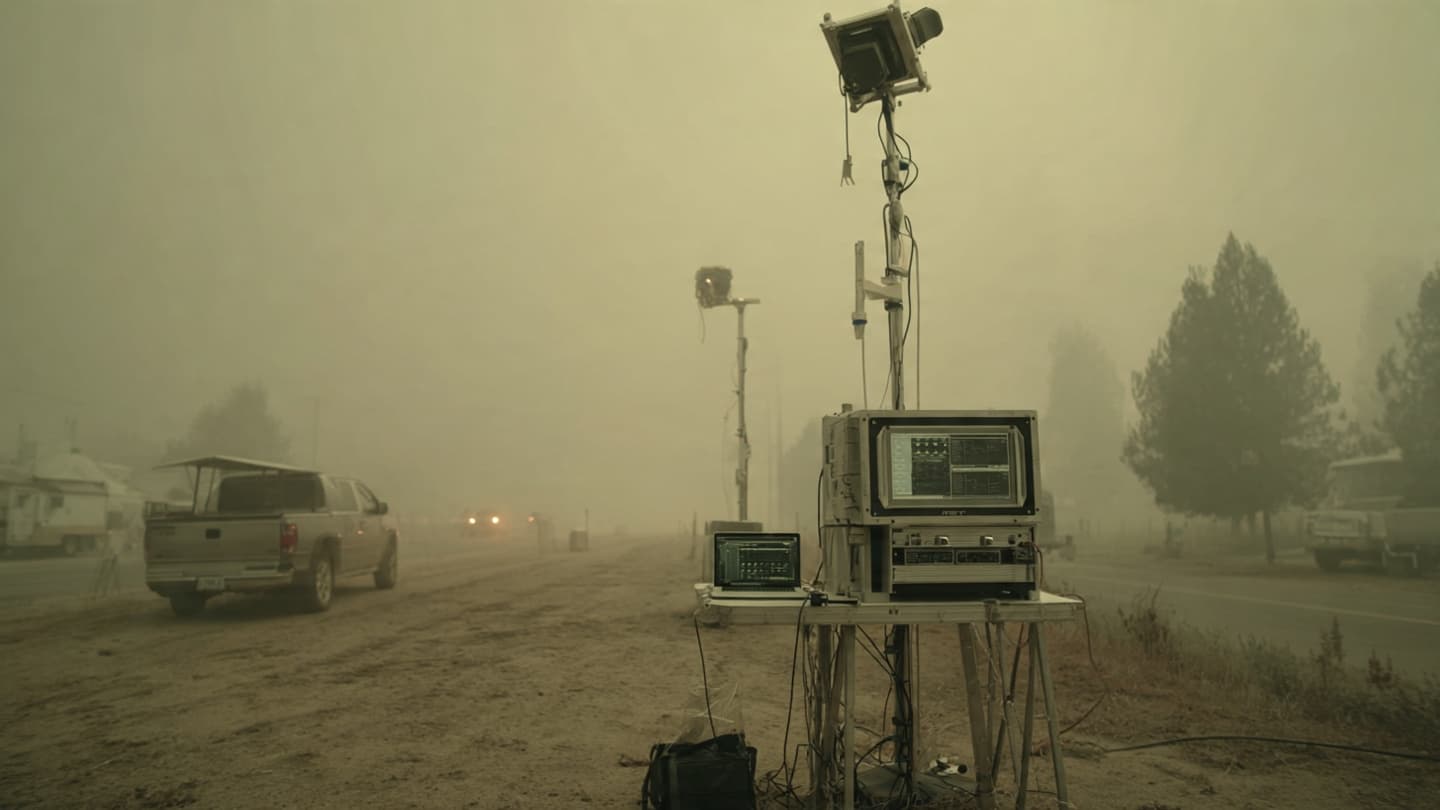
Smoke often appears temporary. It drifts across skylines, softens distant horizons, and eventually disperses into the atmosphere. Yet scientists increasingly believe that its effects may last longer than previously understood, particularly when large wildfire events become more frequent.
A recent study examining wildfire smoke exposure has identified associations between airborne pollution and increased risks of premature mortality. Researchers emphasize that understanding these relationships is essential as wildfire activity expands across several regions of the world.
Wildfire smoke contains a complex mixture of gases and microscopic particles. Among the most closely monitored pollutants are fine particulate matter known as PM2.5, which can penetrate deep into the respiratory system when inhaled.
Health experts have long recognized that poor air quality can contribute to respiratory and cardiovascular problems. The latest findings add to a growing body of evidence suggesting that repeated exposure to wildfire-related pollution may carry broader health implications over time.
Communities located near active fires often experience the most immediate impacts. However, smoke can travel hundreds or even thousands of kilometers depending on weather conditions, affecting populations far removed from the original source.
Researchers used extensive environmental and health datasets to evaluate exposure patterns across large populations. While individual outcomes vary, the overall findings support continued efforts to monitor air quality and reduce exposure during severe smoke events.
Public health agencies increasingly issue air quality alerts during major wildfire episodes. Recommendations commonly include limiting outdoor activity, using indoor air filtration where available, and paying particular attention to vulnerable groups such as children, older adults, and individuals with existing health conditions.
The study also highlights the interconnected nature of environmental and health issues. Wildfires are influenced by weather conditions, vegetation patterns, land management practices, and broader climate trends. Their impacts extend beyond ecological damage into public health and economic systems.
Scientists stress that additional research remains important. Understanding long-term exposure effects can help improve healthcare planning, public health guidance, and environmental policy development aimed at protecting communities.
For now, the findings reinforce the importance of air quality awareness. As wildfire activity continues to shape environmental conditions in many regions, protecting public health will remain a key consideration alongside efforts to manage and reduce fire-related risks.
AI Image Disclaimer
Visuals are created with AI tools and are not real photographs.
Source Check Credible sources identified:
Reuters Science Advances World Health Organization (WHO) Harvard T.H. Chan School of Public Health Environmental Protection Agency (EPA)
Published by Banx Network. This article is part of the Banx decentralized media programme, powered by the BXE token on the XRP Ledger.


