
Key Highlights
- Incident:A gunman was killed by Turkish police outside the Israeli consulate in Istanbul.
- Casualties:Two other assailants were wounded and captured during the shootout.
- Context:The event underscores ongoing regional tensions and security challenges.
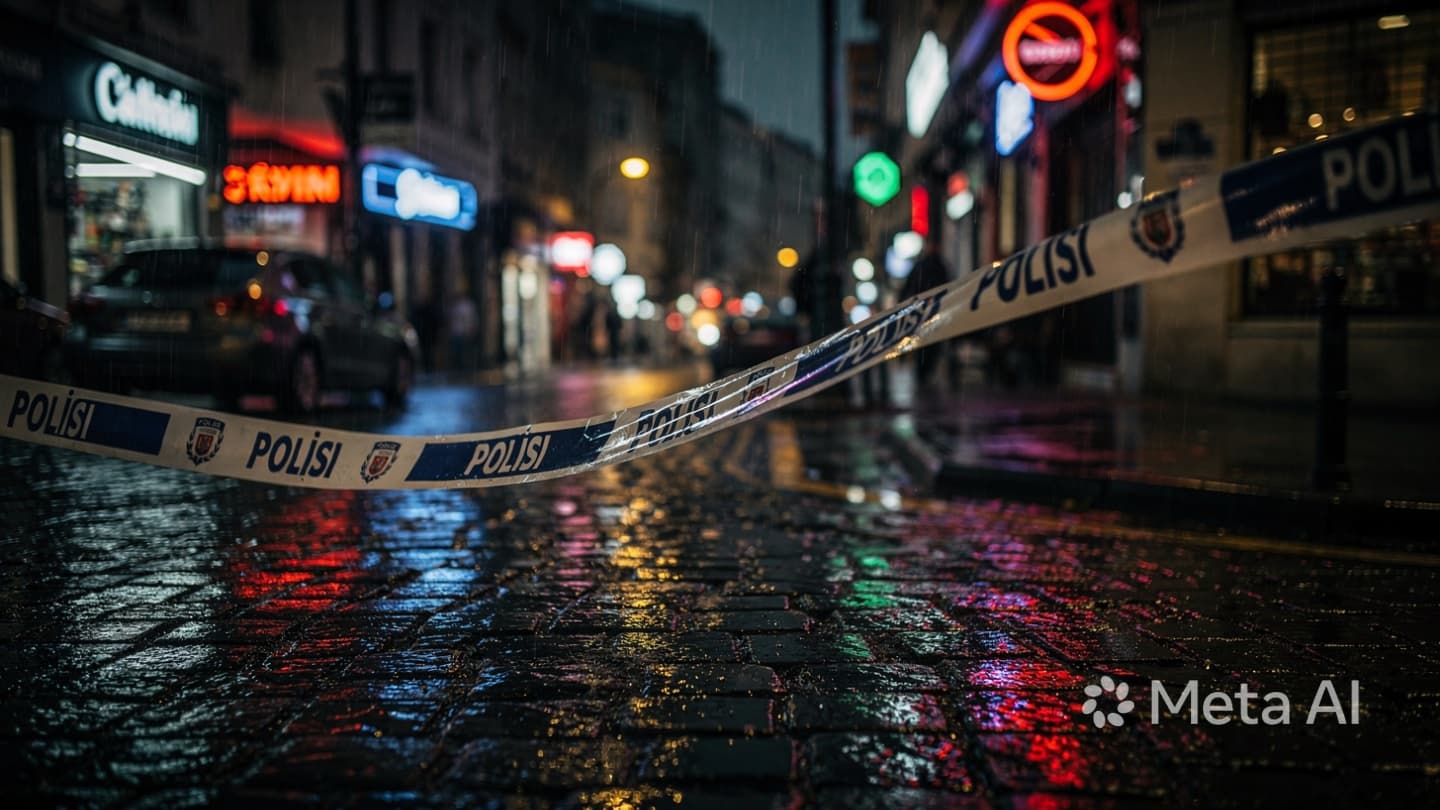
On a seemingly ordinary Tuesday in Istanbul, the intersection of Büyükdere Street transformed into a scene of chaos and violence. The usually bustling financial district was disrupted by the sound of gunfire as a gunman, later identified as Yunus Emre Sarban, engaged in a shootout with police outside the Israeli consulate. This incident not only marked a tragic event in the city but also highlighted the ongoing tensions that permeate the region.
Witnesses reported a sudden shift in the atmosphere as the gunman approached the consulate, a building that symbolizes the complex relationship between Turkey and Israel. The police response was swift, with officers quickly arriving on the scene to neutralize the threat. The aftermath left the area in a state of shock, as the sounds of sirens replaced the usual hum of city life. The gunman’s death marked a grim conclusion to a violent encounter that could have escalated further.
The investigation into Sarban's background revealed a troubling narrative of radicalization. His journey from Izmit to the heart of Istanbul's diplomatic district was not just a physical transition but also a reflection of the psychological struggles faced by many in the region. The motivations behind his actions remain unclear, but they resonate with a broader context of unrest and discontent that has historically plagued the area.
As the dust settled, the Israeli consulate stood as a silent witness to the events that unfolded. Its staff, absent during the chaos, were reminded of the precarious nature of their work in a city where diplomatic missions often become targets. The building, unscathed, serves as a metaphor for resilience amidst turmoil, yet it also underscores the fragility of peace in a region marked by conflict.
In the wake of the shooting, authorities are now focusing on the living—those who were present during the incident and the wounded who were taken to local hospitals. The psychological impact of such violence extends beyond the immediate victims, affecting the broader community and raising questions about security measures in place to protect diplomatic missions.
As Istanbul continues to navigate its complex socio-political landscape, the memory of this tragic event will linger. The sirens may have faded, but the implications of the gunman's actions will resonate within the city’s fabric. The incident serves as a stark reminder of the ongoing struggle to maintain safety and order in a metropolis that is often caught between the shadows of its past and the light of its future.
As the sun sets over the Bosphorus, the finality of the day’s events settles into the record. The state moves to close the physical scene, but the psychological ramifications remain open for discussion. This incident is not just a story of violence; it is a reflection of the broader challenges faced by a city striving to keep the peace amidst the shadows of conflict.
Published by Banx Network. This article is part of the Banx decentralized media programme, powered by the BXE token on the XRP Ledger.



