
Key Highlights
- Event:A space object reentered Earth's atmosphere over Serbia.
- Impact:No damage reported; object disintegrated upon entry.
- Significance:Highlights the ongoing issue of space debris management.
The skies over Serbia recently became the stage for a remarkable celestial event as a piece of space debris reentered Earth's atmosphere. This occurrence, which captivated the attention of locals, served as a poignant reminder of humanity's technological ambitions and their eventual return to the planet. The event was closely monitored by scientists and tracking stations, who calculated the object's descent trajectory and potential impact points.
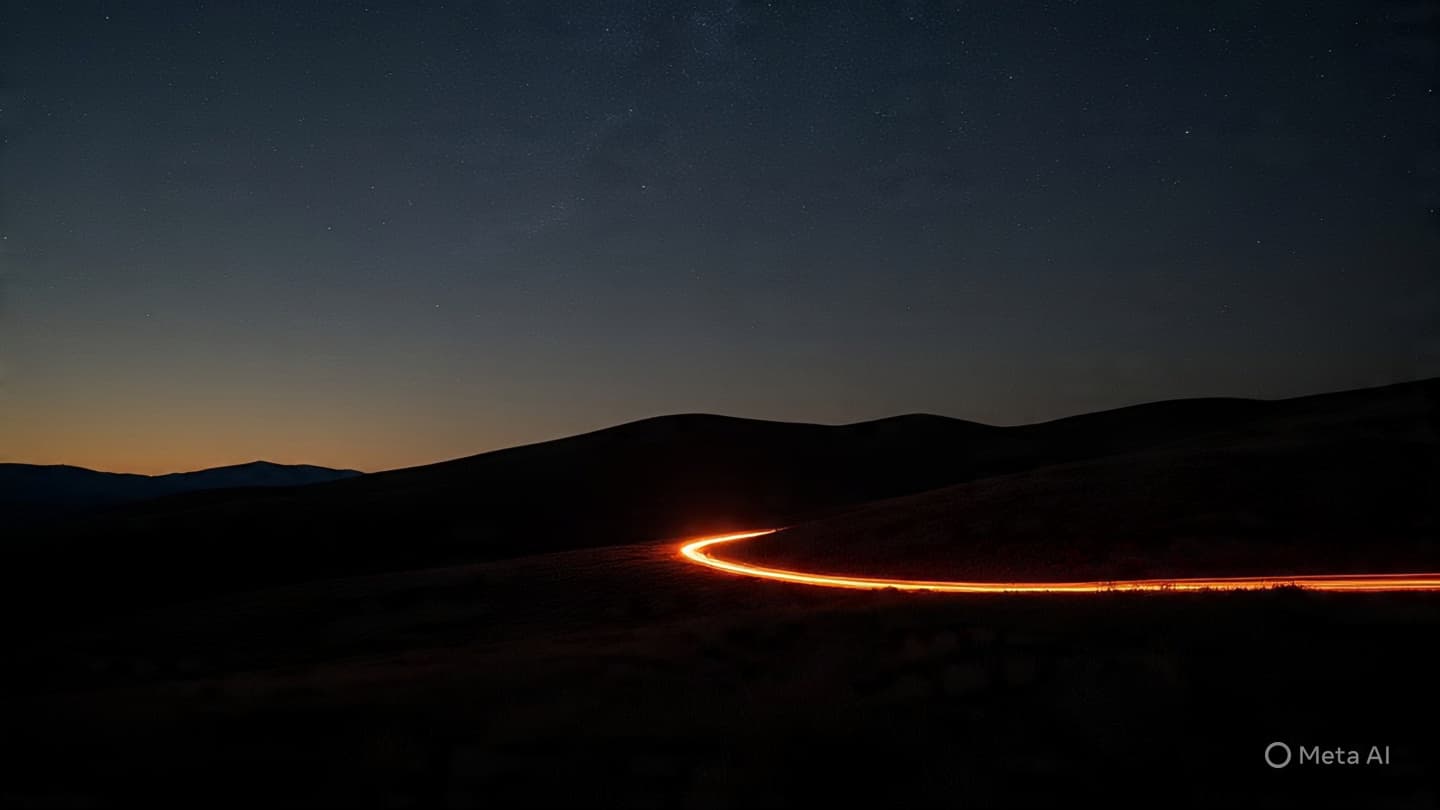
As the object descended, it created a narrow corridor of light and heat, momentarily outshining the stars. This spectacle was not just a visual phenomenon; it underscored the fragility of our technological creations. The debris from the space age has become a permanent fixture in our environment, with many objects now orbiting the Earth as silent witnesses to our exploration efforts.
In rural Serbia, where the night sky is often clear and the stars seem within reach, the anticipation of the object's descent felt deeply personal. It represented a convergence of eras—where the high-tech aspirations of modern society met the ancient landscapes of the Danubian plains. This intersection of technology and nature highlights the ongoing dialogue between human innovation and the natural world.
Experts from various space agencies worked tirelessly to track the object's descent, employing complex calculations involving vectors and drag coefficients. Despite the scientific rigor, the event remained a raw display of physics, reminding us that we are still bound by the laws of motion and gravity. The atmosphere acted as a protective barrier, consuming most of the object before it could reach the ground, ensuring that the reentry concluded without incident.
Witnesses reported seeing a fleeting flicker across the night sky, a brief reminder of humanity's reach into the cosmos. As the light faded, it left behind a lingering significance, prompting observers to reflect on the vastness of space and the remnants of our technological endeavors that continue to circle above.
Following the event, Serbian authorities and international space tracking agencies confirmed that the reentry occurred over a sparsely populated area, with no damage reported to property or infrastructure. This incident has reignited discussions about the need for stricter global regulations regarding the management of orbital debris, as experts advocate for measures to mitigate future risks associated with space objects reentering the atmosphere.
As we continue to explore the cosmos, the lessons learned from such events will be crucial in shaping our approach to space debris management and ensuring the safety of our planet. The recent reentry serves as a reminder of the delicate balance between human innovation and the natural world, urging us to look up more often and consider the wonders that lie beyond our atmosphere.
Published by Banx Network. This article is part of the Banx decentralized media programme, powered by the BXE token on the XRP Ledger.



