Public health challenges often arrive quietly before revealing their full impact. In the Democratic Republic of Congo, health authorities are once again confronting Ebola, a disease that has repeatedly tested healthcare systems and affected communities across Central Africa. Recent reports involving infant fatalities have renewed concern among medical professionals and international organizations.
According to health officials, two infants linked to an outbreak area died after contracting the virus. The deaths have prompted intensified monitoring efforts and reinforced the urgency of containment measures. Medical teams have been working to trace contacts and identify potential chains of transmission.
Ebola remains one of the world's most serious infectious diseases. The virus can spread through direct contact with bodily fluids from infected individuals and requires rapid intervention to prevent broader outbreaks. Early detection and swift public health responses are critical components of disease control.
The Democratic Republic of Congo has extensive experience responding to Ebola outbreaks. Over the years, healthcare workers, local communities, and international partners have developed systems designed to improve surveillance, testing, and emergency response capabilities.
Vaccination programs have also become important tools in managing outbreaks. Advances in medical research have provided health authorities with additional resources compared with previous decades, helping improve preparedness and response efforts in affected regions.
Despite scientific progress, challenges remain. Remote geography, transportation limitations, and healthcare infrastructure constraints can complicate containment efforts. Public health officials must often balance urgent medical needs with logistical realities in difficult operating environments.
International organizations, including the World Health Organization, continue to support local authorities through technical assistance and monitoring. Collaboration between domestic and international institutions remains an essential element of outbreak management.
Communities affected by Ebola frequently demonstrate resilience during difficult circumstances. Public education campaigns, community engagement, and trust-building initiatives play important roles in encouraging preventive measures and supporting healthcare interventions.
Health authorities emphasize that vigilance remains necessary but that existing response mechanisms are designed to reduce the risk of wider transmission. Ongoing monitoring and coordinated action will remain central to efforts aimed at bringing the outbreak under control.
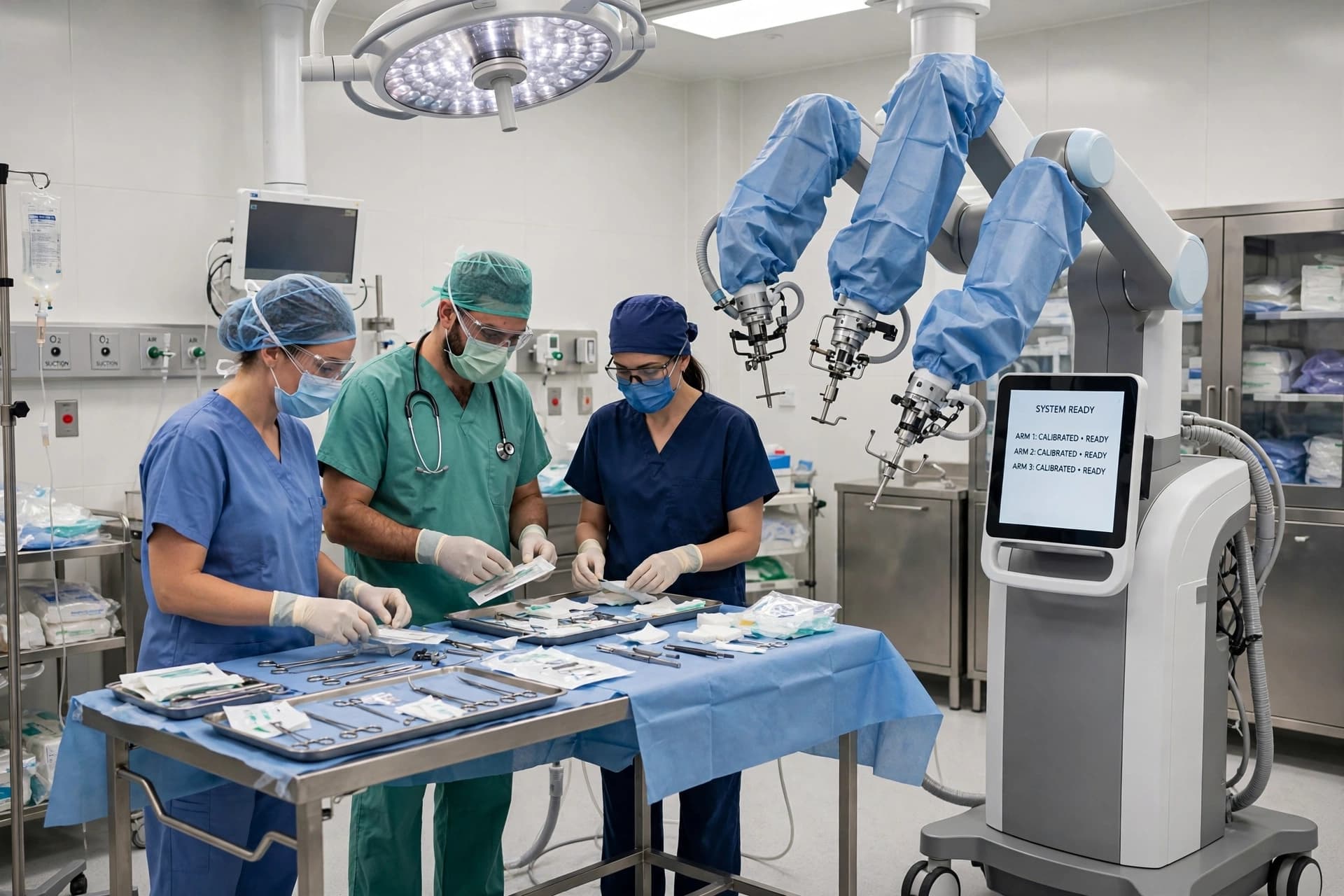
AI Image Disclaimer: This article includes an AI-generated illustration intended to depict public health response efforts and not actual outbreak imagery.
Sources Verified Reuters, World Health Organization, Associated Press, BBC News, UNICEF
Published by Banx Network. This article is part of the Banx decentralized media programme, powered by the BXE token on the XRP Ledger.