

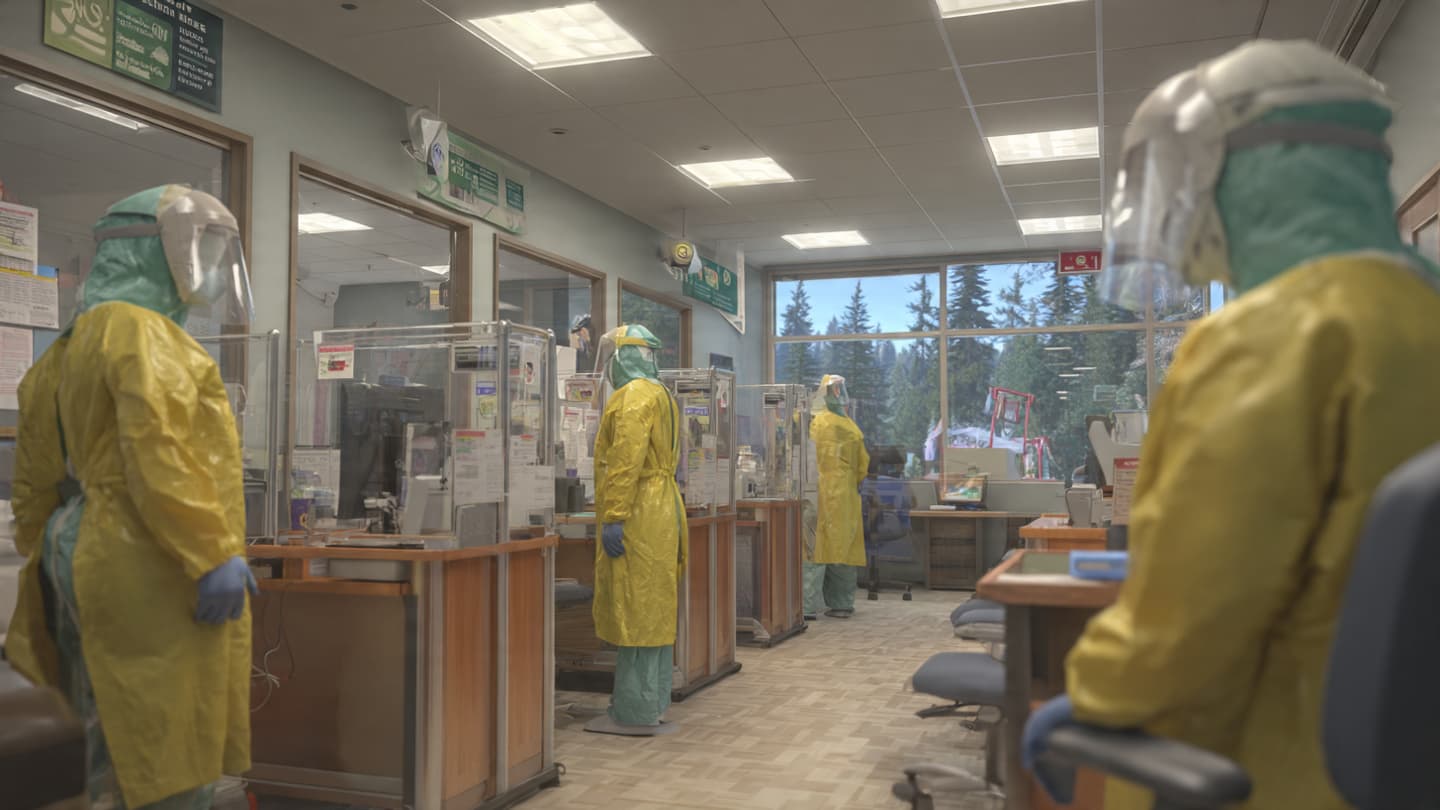
Key Highlights
- Ebola cases in the Democratic Republic of the Congo have reached nearly 600.
- Health authorities are conducting extensive case investigations and contact tracing.
- Vaccination campaigns are crucial in the ongoing response to the outbreak.
The Democratic Republic of the Congo (DRC) is currently facing a significant public health challenge as confirmed Ebola cases have surged to nearly 600. This alarming statistic highlights the ongoing demands placed on medical teams and local communities as they work tirelessly to combat one of the world's most serious infectious diseases. The latest figures reflect the continuous monitoring and testing efforts undertaken by national health officials in collaboration with international partners.
Ebola is particularly concerning due to its high fatality rate and the rapidity with which outbreaks can escalate when containment measures are hindered. Health workers have dedicated months to conducting thorough case investigations, contact tracing, and treatment efforts in the affected areas. These activities are essential to the outbreak response, enabling officials to identify potential transmission chains and mitigate further spread of the virus.
In recent years, vaccination campaigns have emerged as a vital component of the response strategy. Advances in vaccine development have equipped public health authorities with additional tools that were not available during earlier outbreaks. The implementation of these vaccination efforts has been instrumental in protecting vulnerable populations and curbing the spread of the virus.
Despite these advancements, numerous challenges persist. Remote locations, transportation difficulties, security concerns, and community mistrust complicate response efforts and hinder access to healthcare services. Addressing these barriers is crucial for the success of ongoing initiatives aimed at controlling the outbreak.
International organizations continue to provide essential support to the Congolese government, supplying medical resources, laboratory analysis, personnel training, and disease surveillance. The cooperation between local and global health institutions is vital in managing outbreaks of this magnitude, ensuring that affected communities receive the necessary assistance.
Researchers are also actively studying the Ebola virus to gain a deeper understanding of its transmission patterns and improve treatment strategies. Insights gained from previous outbreaks have informed more effective responses and expedited the deployment of medical resources to affected areas.
Public health experts emphasize that early detection remains one of the most effective defenses against Ebola. Prompt diagnosis and isolation of infected individuals can significantly reduce the risk of wider community transmission. As response efforts continue, health authorities are focused on limiting new infections, strengthening surveillance systems, and providing care to those affected while closely monitoring developments in the outbreak.
The fight against Ebola in the DRC is ongoing, with health authorities and communities working together to navigate the complexities of this public health crisis. The commitment to improving healthcare access and building trust within communities will be crucial in the battle against this deadly virus.
Published by Banx Network. This article is part of the Banx decentralized media programme, powered by the BXE token on the XRP Ledger.




