
Key Highlights
- Europe is feeling the effects of the Iran war through energy and diplomatic tensions.
- Rising energy prices and market fluctuations are impacting European households.
- Migration patterns may shift as communities respond to renewed conflict.
The ongoing conflict in Iran is beginning to exert pressure on Europe, subtly reshaping the continent's political and economic landscape. While the war may seem distant, its implications are felt in the daily lives of Europeans, as energy concerns and diplomatic strains become increasingly pronounced. The situation is evolving, and European leaders are navigating a complex web of relationships that require careful consideration and adaptability.
Energy concerns are at the forefront of this tension. Europe has long been aware of its vulnerabilities regarding energy supply, particularly in light of the geopolitical dynamics surrounding oil transportation through the Strait of Hormuz. Any disruption in this critical corridor can have immediate repercussions on energy prices, which in turn affects everything from household budgets to industrial operations. As the conflict continues, European nations are closely monitoring developments, preparing for potential shifts in energy availability and pricing.
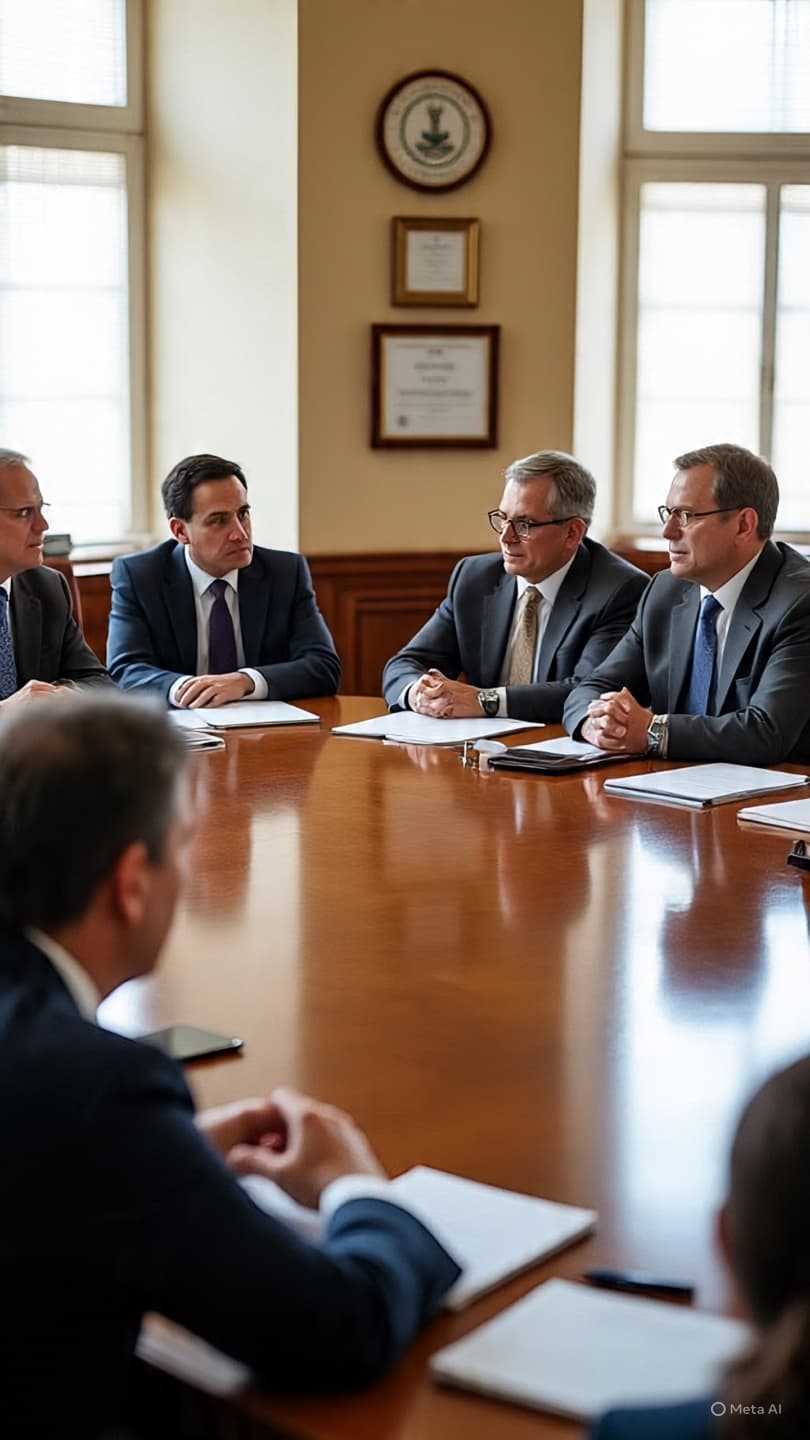
In parallel, diplomatic efforts are unfolding, albeit cautiously. European leaders are engaged in a delicate balancing act, attempting to maintain alliances while addressing the complexities introduced by the Iran war. The need for clear communication and strategic planning is paramount, as the war introduces new variables into an already intricate diplomatic landscape. Incremental meetings and cautious statements reflect the careful navigation required to maintain stability in the region.
Security considerations are also evolving in response to the conflict. Although the war is geographically distant, its ramifications extend into European defense strategies and intelligence assessments. The potential for escalation—whether through direct military engagement or indirect repercussions—adds a layer of uncertainty that policymakers must account for. As public life continues its routine, governments are quietly recalibrating their security postures to address these emerging threats.
Economic impacts are closely tied to the unfolding situation. Market responses to the Iran war are not merely reactive; they are shaped by anticipatory behaviors as businesses and consumers adjust their expectations. Fluctuations in energy prices and trade dynamics create an environment of uncertainty, prompting both businesses and households to reconsider their planning and decision-making processes. The distant conflict thus becomes a significant factor in economic calculations, influencing choices at every level.
Moreover, the human dimension of the conflict cannot be overlooked. Migration patterns, already influenced by previous conflicts, may shift again as communities across Europe respond to the renewed tensions in Iran. The interconnectedness of European societies means that the war's impact is felt not only in economic and political terms but also in personal narratives and community dynamics. Conversations about the conflict resonate within diverse communities, highlighting the war's multifaceted influence.
As Europe grapples with these challenges, the response remains measured. There is no singular moment that encapsulates the impact of the Iran war; rather, it is a gradual adjustment characterized by a series of small shifts. Policymakers are working to absorb and respond to the changing reality, balancing the need for stability with the imperative of responsiveness.
In conclusion, the Iran war, while geographically distant, has entered Europe's sphere of concern, shaping decisions and perceptions in both overt and subtle ways. The continent is adjusting to this new reality, listening and watching for the next developments that may arise from this complex and evolving situation.
Published by Banx Network. This article is part of the Banx decentralized media programme, powered by the BXE token on the XRP Ledger.



