The machinery of a state execution is designed to leave little room for uncertainty. Yet on September 30 in Tennessee, that certainty broke down. Christa Pike, a 50-year-old woman sentenced to death for a 1995 murder, survived an attempt to execute her by lethal injection and was taken to a hospital in critical condition. The event has now moved beyond a single prison chamber, raising questions about what happened and what Tennessee will do next.
Pike was convicted in 1996 for the killing of 19-year-old Colleen Slemmer, who was attacked in a wooded area near Knoxville. Pike was 18 at the time of the crime. Her conviction and death sentence have remained in place for decades, making her case one of the longest-running capital punishment cases in Tennessee.
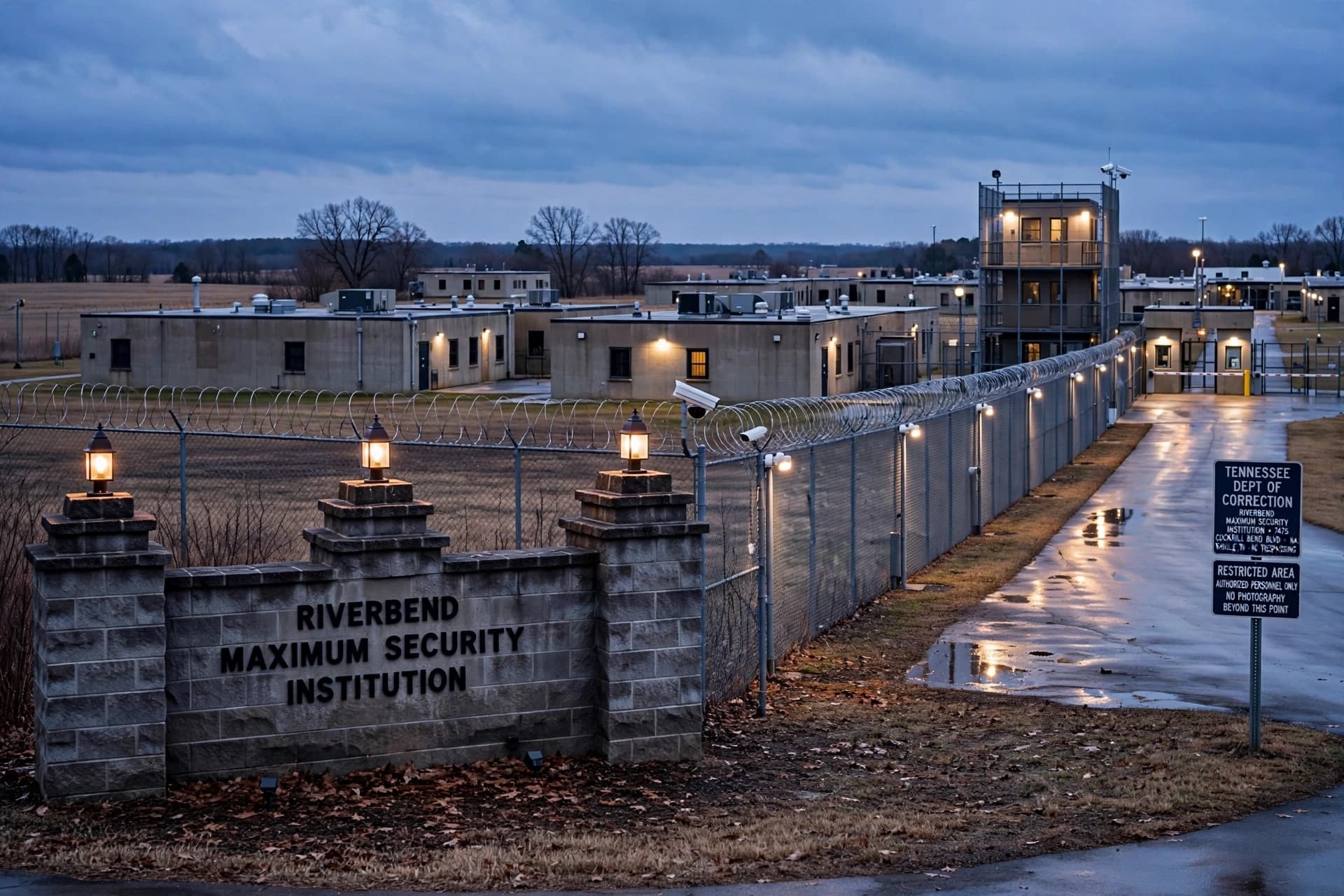
The execution itself began after a lengthy legal dispute. The U.S. Supreme Court ultimately allowed Tennessee to proceed after a federal appeals court had issued a last-minute stay. State officials then carried out the lethal-injection procedure at Riverbend Maximum Security Institution in Nashville.
According to witnesses and subsequent reporting, the first dose of pentobarbital did not produce the intended result. Pike remained alive and displayed signs of consciousness. A second dose was administered, but the execution still did not result in her death. Officials eventually stopped the procedure and transported her to an outside medical facility.
The Tennessee Department of Correction said its personnel followed the state's established execution protocol and that the chemical used had previously been effective. The department also said the protocol did not authorize additional procedures beyond those already carried out that evening. The precise reason the execution failed remains under investigation.
Governor Bill Lee has ordered a third-party review of the incident and suspended Tennessee's remaining executions for the rest of 2026. That means the immediate next step is not another execution date, but an examination of the state's procedures, equipment, chemicals, and medical process.
Pike's lawyers have argued that the experience caused severe suffering and have renewed their effort to have her death sentence changed. Those arguments will now unfold alongside the state's review. At the same time, Slemmer's family has expressed distress that the execution did not bring the outcome they had expected after decades of waiting for the sentence to be carried out.
For now, Pike remains alive and hospitalized, while Tennessee faces an unusual legal and administrative situation. What happens to her death sentence, and whether the state can legally attempt another execution, will depend on further legal proceedings and the findings that emerge from the review. The failed procedure has therefore created a new chapter in a case that has already lasted more than three decades.
AI Image Disclaimer: Any accompanying illustration should be understood as AI-generated and is intended for editorial visualization only.
Sources: Reuters Associated Press Al Jazeera
Published by Banx Network. This article is part of the Banx decentralized media programme, powered by the BXE token on the XRP Ledger.