
Key Highlights
- EU-India trade deal negotiations are ongoing, with significant complexities.
- India seeks to boost exports and access European markets.
- The EU emphasizes human rights and environmental standards in the deal.
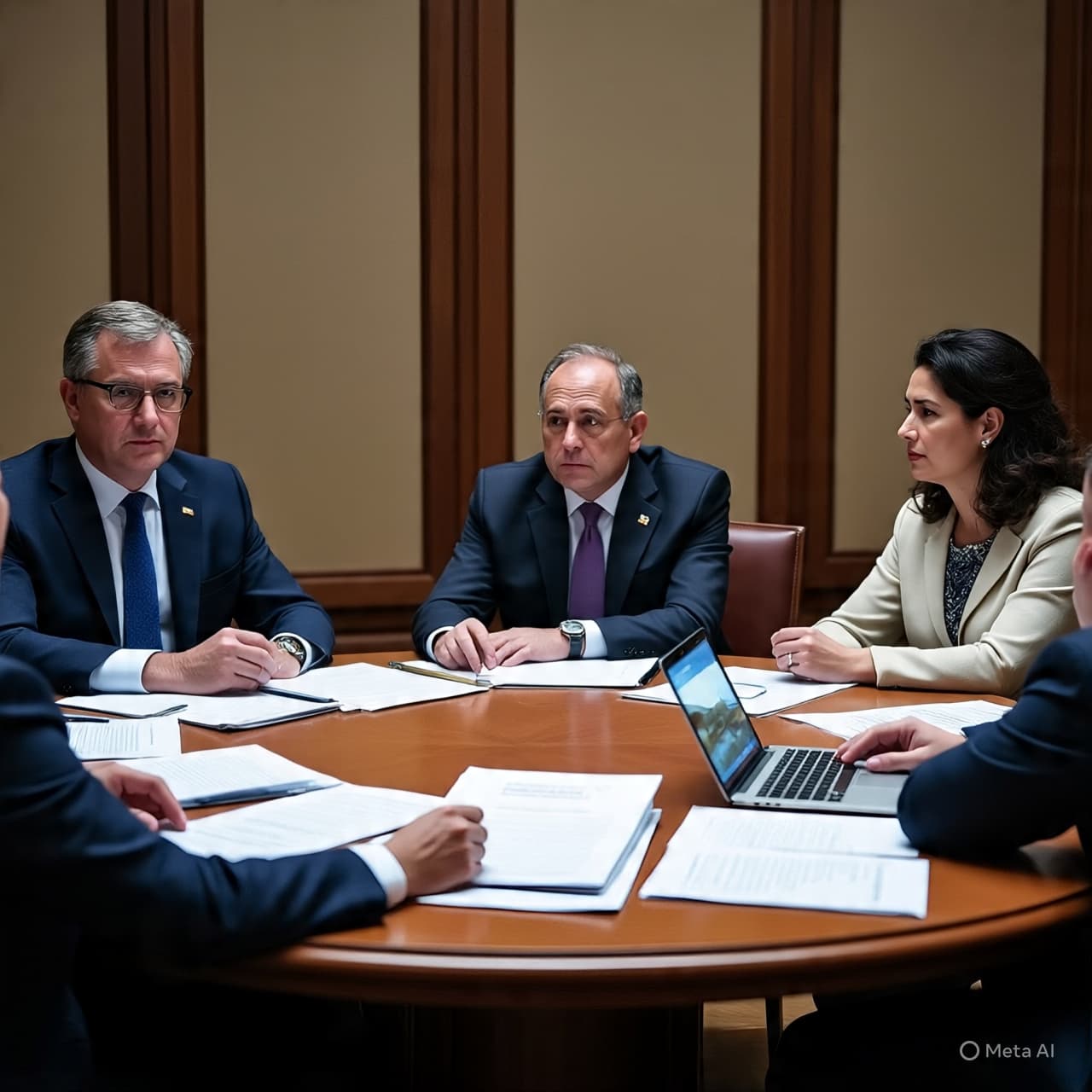
The EU-India trade deal represents a pivotal moment in international trade, aiming to forge stronger economic ties between two of the world's largest economies. As negotiations unfold, the potential benefits and challenges of this ambitious partnership are becoming increasingly apparent. While the deal promises access to new markets and opportunities, the path to its realization is fraught with complexities that both parties must navigate carefully.
At the heart of the EU-India trade deal is the promise of mutual economic growth. India, with its population exceeding 1.4 billion and a rapidly expanding economy, stands to gain significantly from increased access to European markets. The EU, as the world's largest single market, offers India a gateway to high-value sectors such as technology, pharmaceuticals, and services. This partnership could enhance India's global economic footprint, positioning it as a key player on the international stage.
However, the negotiation process has revealed several challenges that could impede progress. The EU has expressed concerns regarding India's trade practices, including barriers to market access and issues surrounding intellectual property protection. Additionally, EU member states are advocating for the inclusion of human rights protections and environmental standards within the agreement. These factors have contributed to delays in negotiations and raised questions about the feasibility of reaching a consensus in the near future.
The geopolitical landscape further complicates the negotiations. With China's growing economic influence, both the EU and India are keen to strengthen their positions. A successful trade deal could serve as a strategic counterbalance to China's dominance, particularly in the Indo-Pacific region. However, this geopolitical angle adds layers of complexity, as both sides must carefully navigate their diplomatic relations while pursuing economic interests.
As it stands, the EU-India trade deal remains a work in progress. While there have been positive developments, such as agreements on key sectors and frameworks for closer ties, significant hurdles remain. Outstanding issues related to tariffs, market access, and regulatory frameworks must be addressed, alongside broader concerns about data privacy and environmental sustainability. The timeline for a final agreement is uncertain, as political considerations on both sides may further delay negotiations.
The EU's cautious approach is understandable, as trade agreements often reflect not only economic interests but also values and priorities. The EU has a long-standing commitment to environmental sustainability and human rights, and ensuring that India adheres to certain standards will be crucial in the negotiations. Conversely, India has emphasized that its economic development should not be hindered by overly stringent conditions. As both parties continue to negotiate, the outcome will reflect their economic goals and broader political philosophies.
In conclusion, the EU-India trade deal is far from finalized, and its future remains uncertain. While the potential for a historic economic partnership exists, both sides must navigate the complexities of negotiation. For India, this deal represents more than just trade; it is about defining its role in the global economic order. For the EU, it is an opportunity to strengthen ties with a rising economic power, making the stakes high for both parties involved.
Published by Banx Network. This article is part of the Banx decentralized media programme, powered by the BXE token on the XRP Ledger.



