For centuries, the aurora has been a spectacle reserved for Earth’s polar regions, a dancing curtain of light that captivates observers with its ethereal beauty. Yet, on the rust-colored plains of Mars, a different kind of glow exists, one that is not bound by magnetic poles but spreads across the entire planet. NASA’s MAVEN mission has recently shed new light on these Martian auroras, revealing their complex behavior and connection to the solar wind. This discovery invites us to look beyond our own world, recognizing that the forces shaping our skies are universal. It is a reminder that even in the silence of space, there is a vibrant interplay of energy and matter.
The MAVEN spacecraft, which orbited Mars for over a decade before its mission ended in 2026, provided unprecedented data on the Red Planet’s upper atmosphere. Scientists discovered that Martian auroras are driven by the interaction between the solar wind and the planet’s weak, localized magnetic fields. Unlike Earth, where a global magnetic field channels particles to the poles, Mars’s patchy crustal magnetism creates auroras that can appear anywhere. This diffuse glow offers clues about how Mars lost its thick atmosphere and surface water over billions of years.
Recent findings highlight how solar storms intensify these auroral displays. During periods of high solar activity, the influx of energetic particles increases, causing the atmosphere to emit more light. These events are not just visual phenomena; they represent significant energy transfer that can strip away atmospheric gases. By studying these processes, researchers gain insight into the evolutionary history of Mars and the potential habitability of other worlds.
The end of the MAVEN mission marks a poignant moment for planetary science. After more than 11 years of service, the spacecraft fell silent in December 2025, leaving behind a legacy of discovery. Its final data transmissions continue to be analyzed, yielding new insights into atmospheric escape and auroral dynamics. The mission’s success demonstrates the value of long-term observation in understanding complex planetary systems.
For the scientific community, these findings bridge the gap between astronomy and geology. They show how external forces from the sun shape the internal and surface conditions of a planet. This holistic view is essential for planning future missions, particularly those aimed at human exploration. Understanding the radiation environment and atmospheric stability is crucial for ensuring the safety of astronauts.
Public interest in Martian auroras has grown, fueled by stunning images and simulations. These visuals help translate abstract scientific concepts into tangible experiences, fostering a deeper connection to space exploration. They remind us that Mars is not just a distant rock but a dynamic world with its own weather and light shows.
NASA’s MAVEN mission has transformed our understanding of auroras on Mars, revealing their global nature and link to atmospheric loss. As scientists continue to analyze the data, the hope is for further insights into planetary evolution. The legacy of MAVEN continues to illuminate the secrets of the Red Planet.
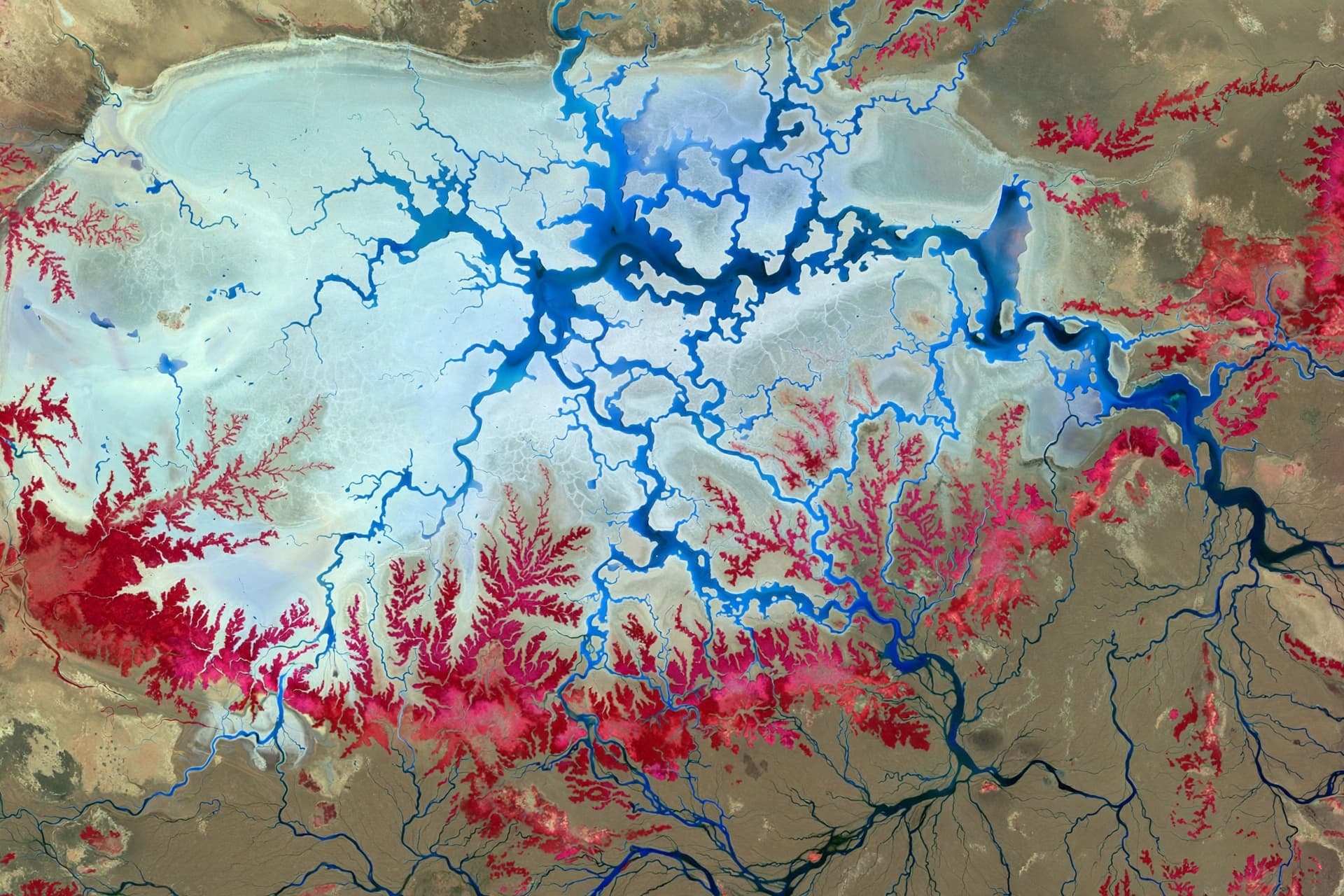
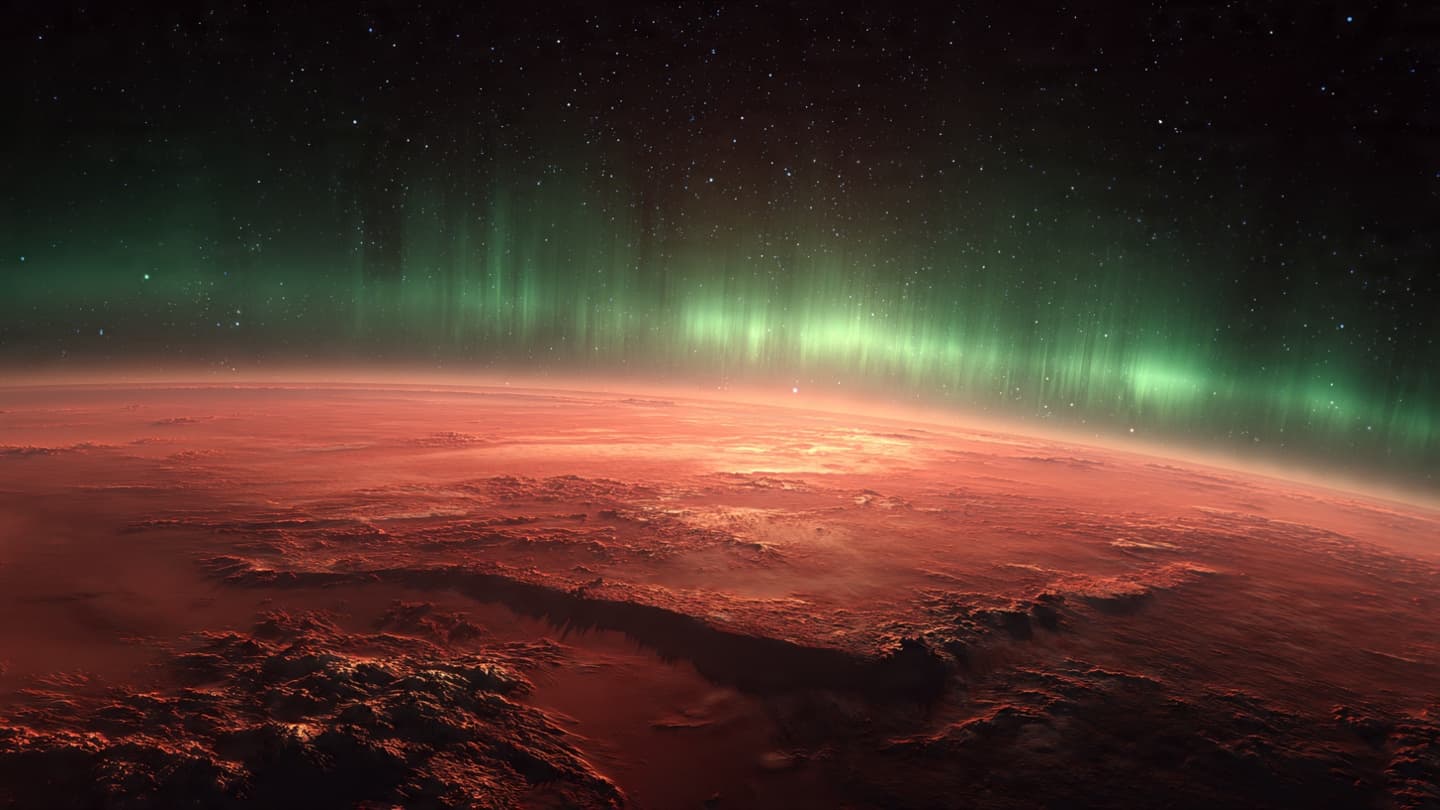
AI Image Disclaimer: The visual elements accompanying this report are AI-generated interpretations designed to reflect the scientific and atmospheric context of the story.
Sources: NASA Science The Planetary Society Space.com
Published by Banx Network. This article is part of the Banx decentralized media programme, powered by the BXE token on the XRP Ledger.