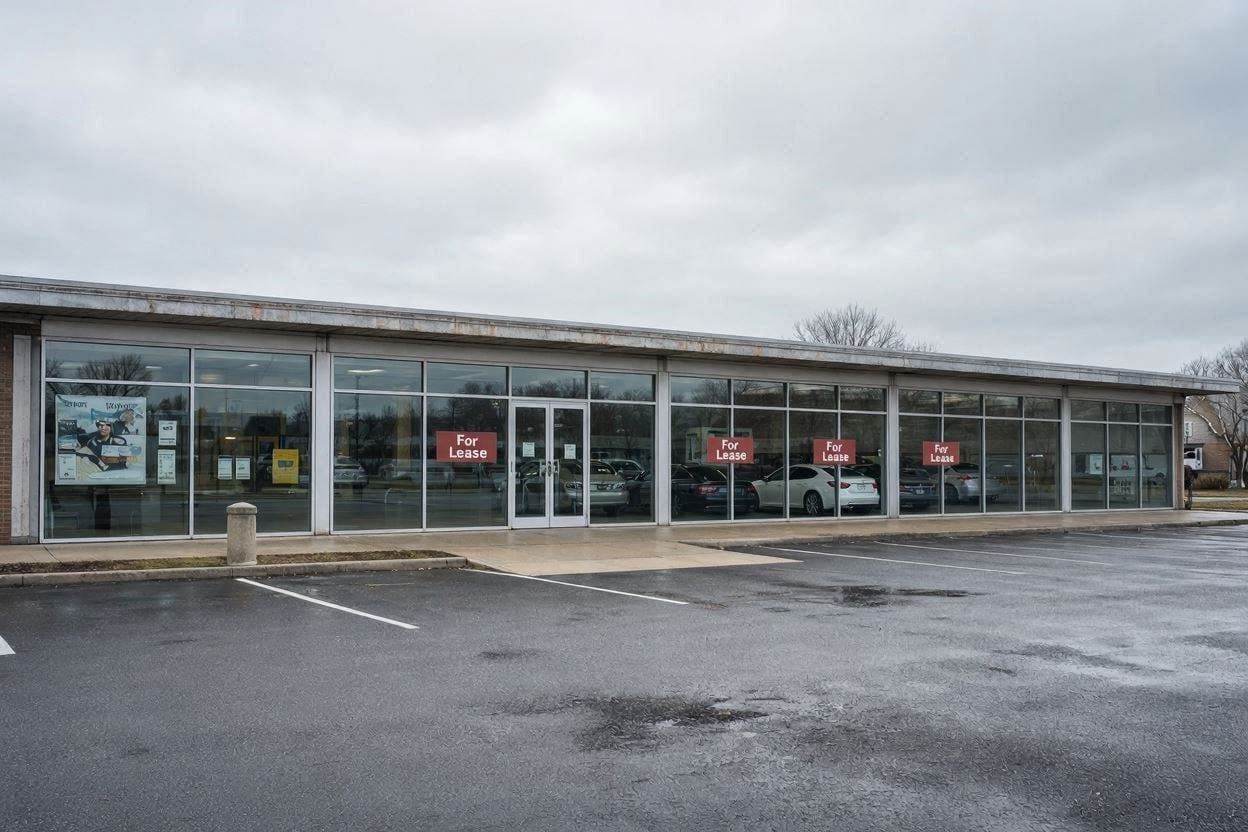
In the automotive heartlands of Australia, where the roar of engines once signaled prosperity and growth, a quiet but significant shift is taking place. Major dealerships for brands like Volkswagen, Mitsubishi, and LDV are closing their doors, marking the end of an era for many local businesses. This "bloodbath," as described by industry insiders, reflects the broader challenges facing the car retail sector, from changing consumer preferences to economic pressures and supply chain disruptions.
For the communities that rely on these dealerships for jobs and services, the closures are more than just business failures; they are a disruption of daily life and a loss of trusted local institutions. The transition is painful, but it also signals a necessary evolution in a rapidly changing market.
Body: The closure of several key dealerships has been attributed to a combination of factors, including rising operational costs, reduced consumer spending, and the global shift toward electric vehicles. Traditional internal combustion engine models, which have long been the backbone of these brands, are facing increased scrutiny and competition. As buyers hesitate to invest in new cars due to economic uncertainty, dealerships struggle to maintain profitability.
Volkswagen, Mitsubishi, and LDV have all seen fluctuations in sales volumes, leading to a reassessment of their dealer networks. In some cases, manufacturers are consolidating operations to streamline efficiency, while in others, individual franchisees are choosing to exit the market rather than face mounting losses. The result is a wave of closures that has left employees and customers alike feeling unsettled.
For the workers affected, the news brings immediate financial stress and uncertainty about the future. Many have spent years building relationships with customers and mastering their craft, only to find their roles eliminated overnight. Support services and retraining programs are being offered by some manufacturers, but the transition remains difficult for those accustomed to the stability of the automotive industry.
Customers are also impacted, particularly those with service contracts or warranty claims. The sudden closure of a local dealership can complicate maintenance and repairs, forcing owners to seek alternatives further afield. Manufacturers have assured customers that service obligations will be honored through other authorized centers, but the inconvenience is undeniable.
The broader economic context plays a significant role. High interest rates and inflation have dampened consumer confidence, leading to a slowdown in big-ticket purchases. Cars, often bought on finance, are particularly sensitive to these economic shifts. As households tighten their budgets, the demand for new vehicles declines, putting pressure on dealerships to adapt or close.
Industry analysts suggest that this trend is part of a larger transformation in the automotive sector. The rise of online sales, direct-to-consumer models, and electric vehicles is reshaping how cars are bought and sold. Dealerships that fail to innovate or diversify their offerings may find themselves increasingly obsolete in this new landscape.
Local governments and business groups are monitoring the situation closely, seeking ways to support affected workers and businesses. Initiatives to attract new industries to these areas are being explored, aiming to replace lost jobs with opportunities in emerging sectors. The goal is to ensure that the community remains vibrant and economically resilient.
As the dust settles, the focus shifts to adaptation and resilience. For the automotive industry, this period of contraction may ultimately lead to a stronger, more sustainable model. But for now, the closures serve as a reminder of the volatility of modern markets.
Closing: The closure of major car dealerships marks a significant chapter in the evolution of the automotive industry. It highlights the need for adaptability and support for those affected by economic change.
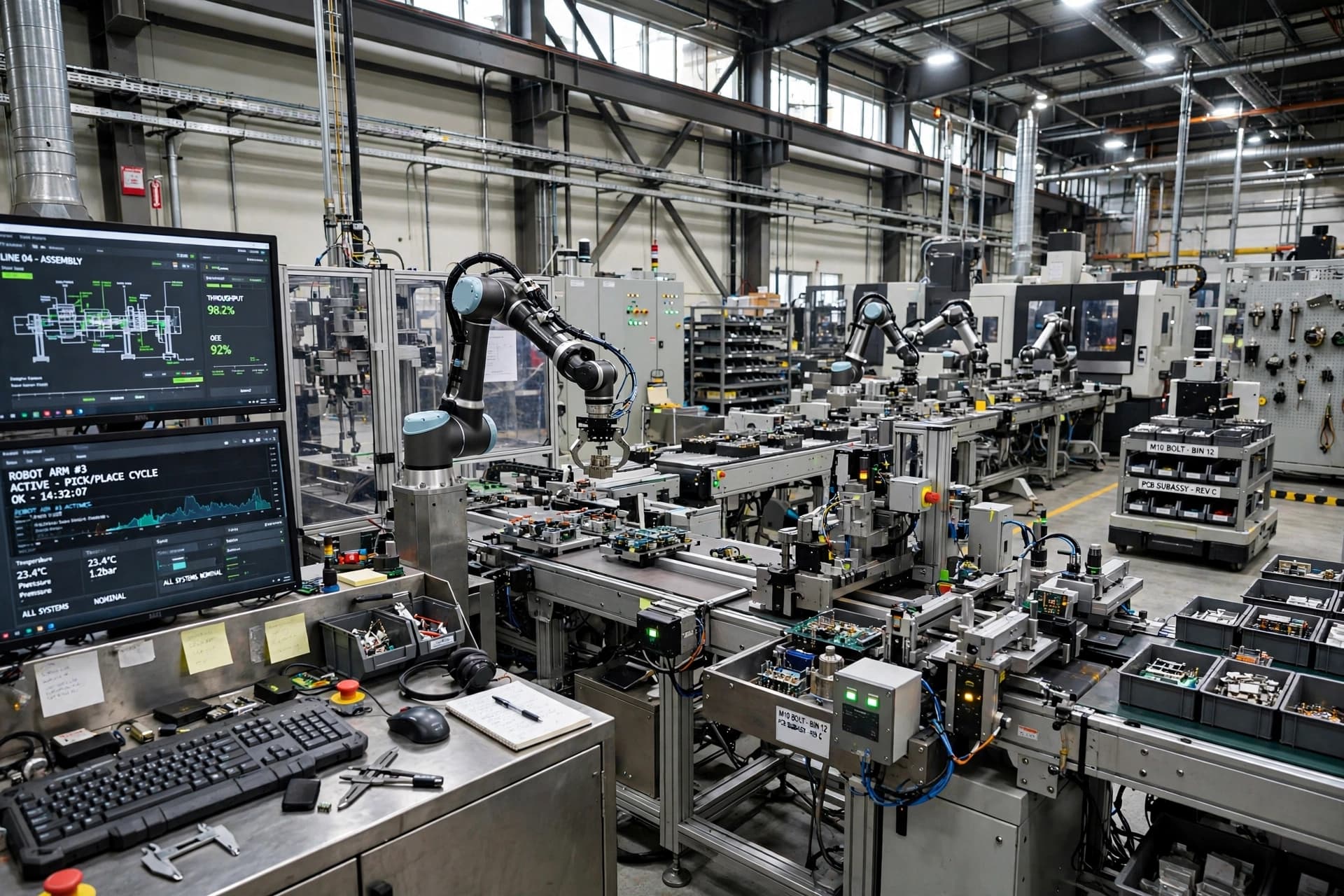
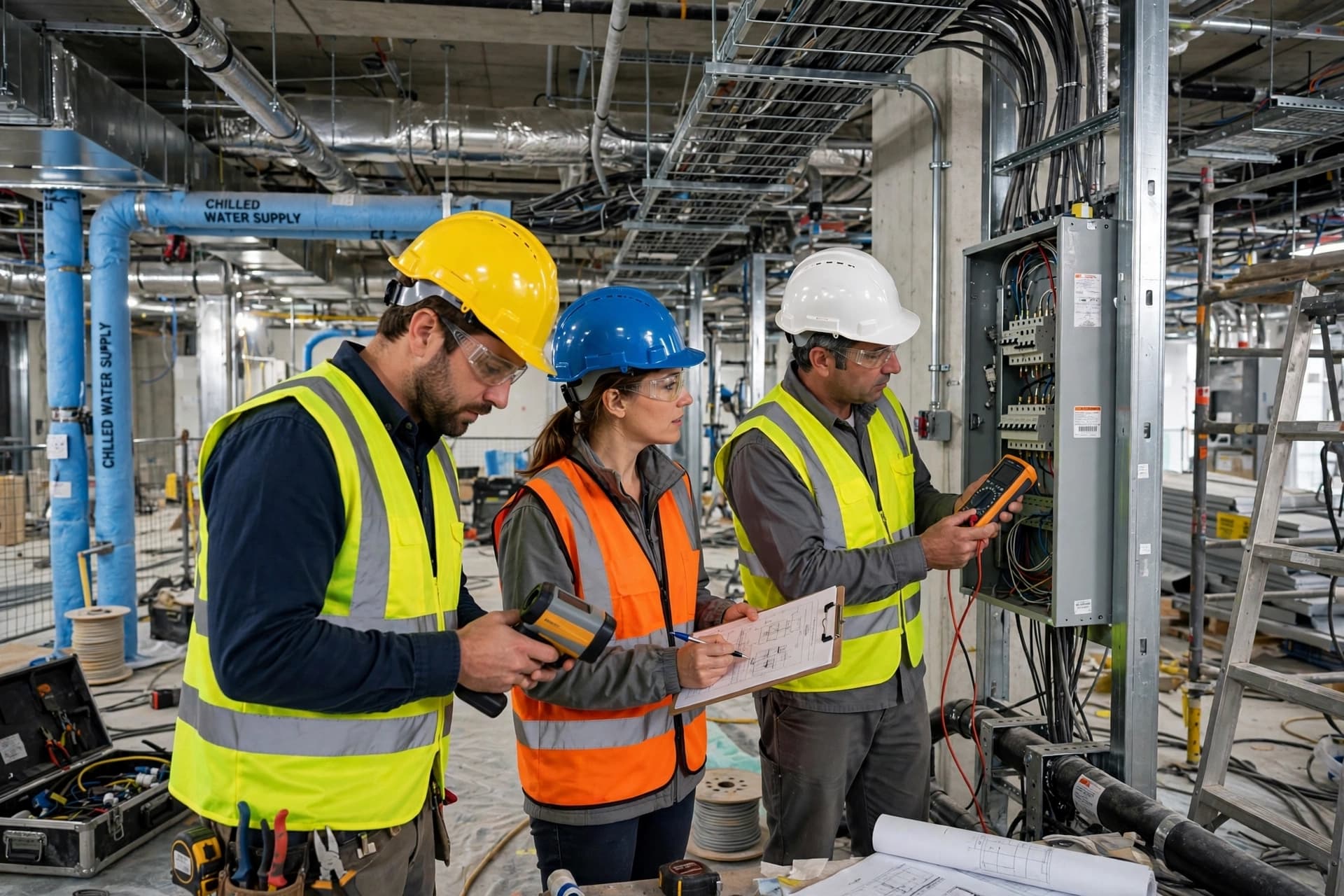
AI Image Disclaimer: Images used in this report are AI-generated depictions intended to illustrate the themes of economic transition and industrial change.
Sources: Drive.com.au CarsGuide The Age Financial Review
Published by Banx Network. This article is part of the Banx decentralized media programme, powered by the BXE token on the XRP Ledger.