Key Highlights
- Arrest of a fugitive involved in a major real estate scam.
- The operation exploited families seeking secure housing.
- Authorities recovered falsified documents and evidence of fraud.
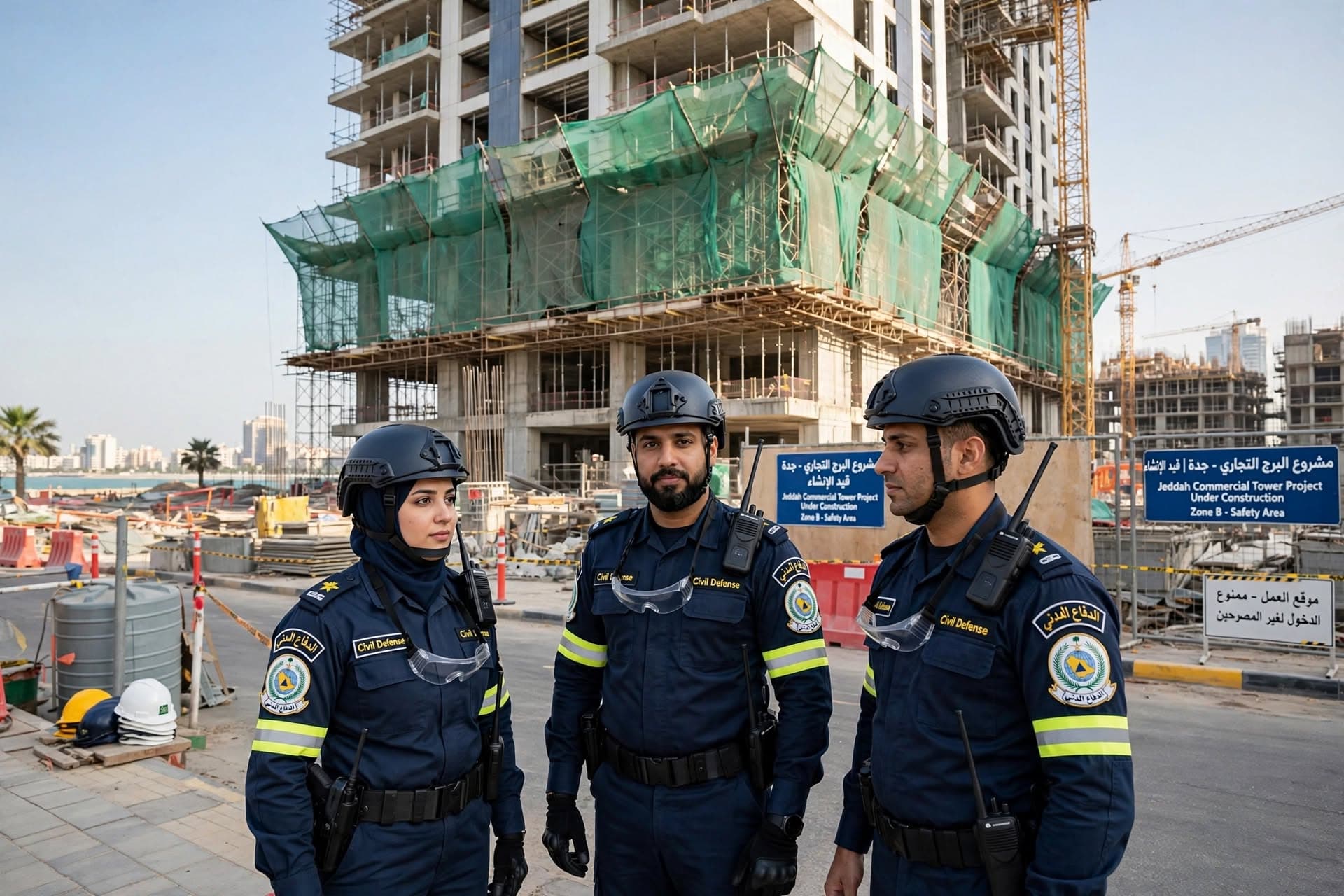
The modern urban development of a growing city is a landscape defined by optimism, investment, and transformation, where towering cranes and fresh concrete foundations reshape the skyline on a daily basis. For thousands of ordinary families, these emerging residential complexes represent the fulfillment of a lifelong dream—the acquisition of a secure, modern home built on a foundation of hard-earned savings. The integrity of this booming real estate sector relies entirely on a shared architecture of legal trust, verified titles, and transparent corporate practices. Yet, when a sophisticated predatory enterprise exploits this profound human desire for housing, creating an artificial maze of falsified permits and dual-allocation contracts, it undermines the socioeconomic stability of the entire metropolitan community.
Following an exhaustive, multi-jurisdictional tracking campaign, regional police units recently succeeded in apprehending a high-profile fugitive wanted for orchestrating a major real estate scam operation. Operating behind a complex web of shell construction firms and unverified pre-sale campaigns, the individual had allegedly siphoned millions of dollars from hundreds of unsuspecting homebuyers before vanishing from public view. The arrest was executed with a disciplined, quiet precision at a low-profile residential property where the suspect had been living under a false identity. It marks a critical milestone in the state’s ongoing commitment to restoring regulatory accountability to the domestic property market.
The nature of this white-collar enterprise required a patient, highly analytical tracking strategy by regional economic crime investigators, who had to dismantle a sophisticated network of local and international assets. The syndicate specialized in manufacturing high-fidelity architectural brochures, fake municipal approvals, and fraudulent escrow accounts to convince families to invest their life savings during the early phases of construction. When the project timelines inevitably collapsed and legal inquiries intensified, the primary coordinator utilized an advanced logistical network to disappear, leaving a trail of frozen projects and financial distress. Analysts spent months tracing the digital footprint of the diverted funds to locate the fugitive’s hiding place.
During the post-arrest search of the premises, forensic teams secured an array of falsified identity documents, international banking cards, and encrypted communication devices holding transaction records for offshore accounts. The discovery revealed the immense technical and administrative planning that modern financial fugitives employ to evade state detection while maintaining control over their illicit wealth. By treating real estate manipulation as a scalable corporate enterprise, the ring leaders sought to insulate themselves from traditional law enforcement boundaries. The successful apprehension effectively breaks this command node, allowing prosecutors to shift their focus toward asset recovery for the affected citizens.
For the community leaders and families who have spent months navigating the stressful legal aftermath of the construction freeze, the news of the arrest provides a profound measure of closure and relief. The exploitation of housing trust causes deep, systemic wounds in a neighborhood, breaking the generational confidence required for community development. The successful state intervention serves as a clear, quiet reaffirmation that the legal mechanisms of the country remain profoundly committed to shielding ordinary consumers from corporate predation. The path toward stabilizing the local market is reinforced, one investigation at a time.
Behind the tactical success of the regional police units lies a comprehensive coordination between municipal building authorities, central banking monitors, and international border security agencies. This unified approach ensures that the vast archive of falsified construction deeds, corporate manifests, and transaction receipts compiled during the inquiry is legally unassailable. The post-arrest phase is quiet, played out in minimalist precinct rooms where analysts match victim testimonies with the recovered corporate data to construct an airtight case for the specialized financial courts.
As the sun sets over the bustling city avenues, lighting up the glass facades of legitimate new residential quarters, the daily life of the metropolis continues its forward march, now with a renewed sense of hope and security for its residents.
Published by Banx Network. This article is part of the Banx decentralized media programme, powered by the BXE token on the XRP Ledger.