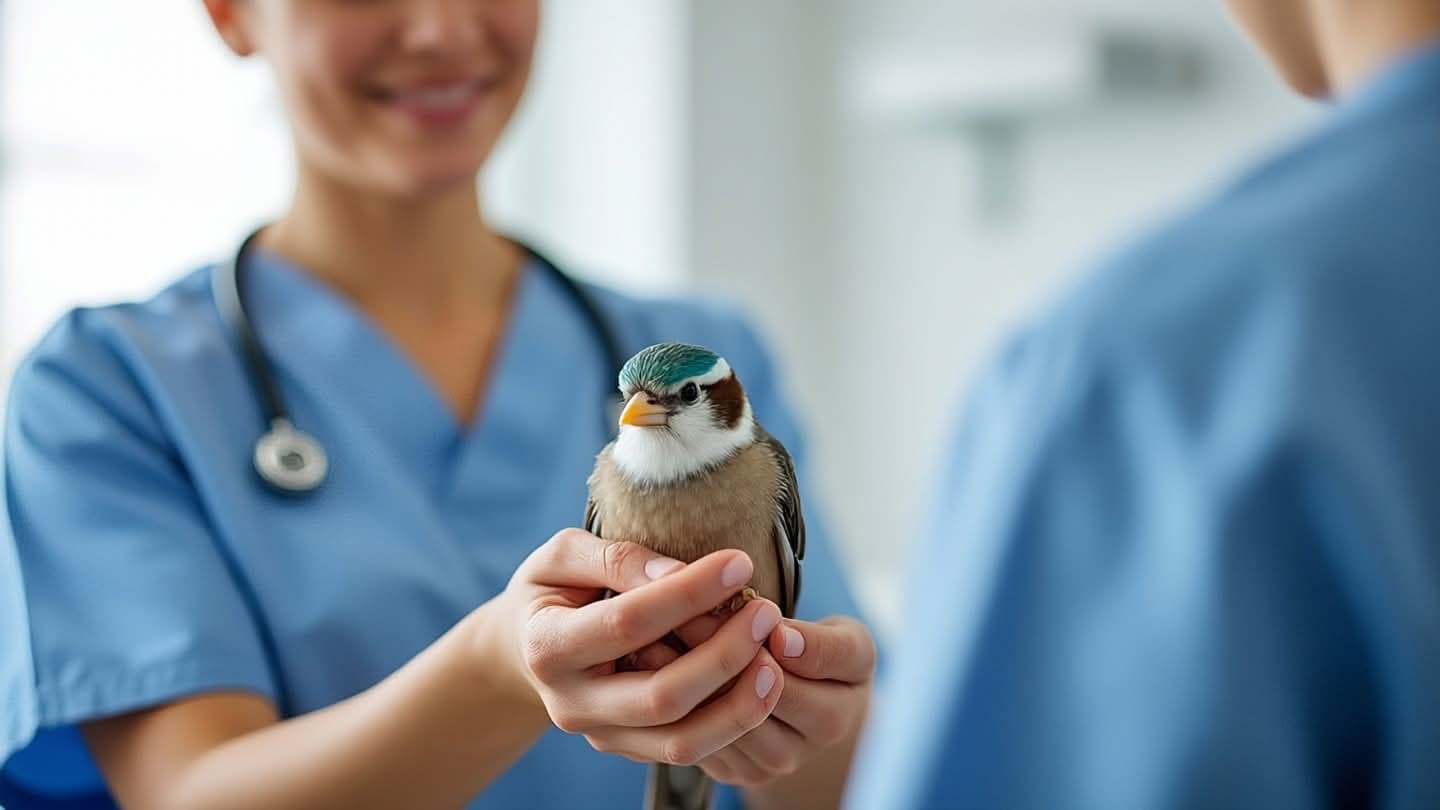
The spread of highly pathogenic avian influenza (HPAI) has created a profound ethical and emotional dilemma for wildlife veterinarians and conservationists. As outbreaks intensify among wild bird populations, experts warn that the necessity of mass euthanasia to control the virus is taking a severe toll on the mental health of those tasked with carrying out these difficult decisions. The situation highlights the hidden human cost of managing wildlife diseases.
Veterinarians and wildlife rehabilitators are often driven by a deep commitment to saving animals, making the act of euthanizing healthy or treatable birds particularly distressing. In some cases, entire flocks must be culled to prevent further spread, even when individual birds might otherwise survive. This conflict between public health mandates and professional ethics creates a unique form of moral injury, leading to anxiety, depression, and burnout among caregivers.
The scale of the current H5N1 outbreak has exacerbated these challenges. With the virus affecting a wide range of species, from waterfowl to raptors, the number of birds requiring intervention has surged. Resources are stretched thin, and the pressure to make rapid decisions under uncertain conditions adds to the psychological burden. Many professionals report feeling overwhelmed by the sheer volume of loss and the inability to save every animal.
Support systems for wildlife workers are often inadequate, leaving them to cope with trauma in isolation. Unlike human healthcare, where debriefing and mental health resources are more standardized, the wildlife sector lacks structured support for dealing with mass mortality events. This gap leaves many veterinarians and volunteers vulnerable to long-term psychological effects, impacting their ability to continue their vital work.
Conservation organizations are beginning to recognize the urgency of addressing this issue. Calls for better mental health support, including counseling services and peer support networks, are growing. Some groups are implementing training programs to help staff manage stress and process grief, acknowledging that caring for the caregivers is essential for sustainable wildlife management.
The public also plays a role in this narrative, often unaware of the difficult choices faced by wildlife professionals. Greater awareness of the complexities involved in disease control can foster empathy and support for those on the front lines. Community engagement and education can help bridge the gap between policy implementation and public understanding.
Looking forward, integrating mental health considerations into wildlife disease response plans is crucial. This includes providing adequate resources for psychological support and creating protocols that minimize unnecessary euthanasia where possible. By prioritizing the well-being of veterinary staff, the conservation community can ensure a more resilient and compassionate approach to managing outbreaks.
The story of bird flu is not just about viruses and birds but also about the people who dedicate their lives to protecting them. Recognizing and addressing the mental health risks they face is a necessary step toward a more humane and effective system of wildlife care. It is a reminder that compassion must extend to those who show it to others.
AI Image Disclaimer: Visuals associated with this article are AI-generated illustrations intended to convey themes of care and conservation, avoiding graphic depictions of animal illness.
Sources: CDC, All About Birds, Wildlife Health Australia, Cornell University College of Veterinary Medicine
Published by Banx Network. This article is part of the Banx decentralized media programme, powered by the BXE token on the XRP Ledger.