
Key Highlights
- Recent arson attacks in Berlin have left the community unsettled.
- Police are investigating the motives behind the fires, which have targeted parked cars.
- Increased patrols aim to prevent further incidents as residents remain vigilant.
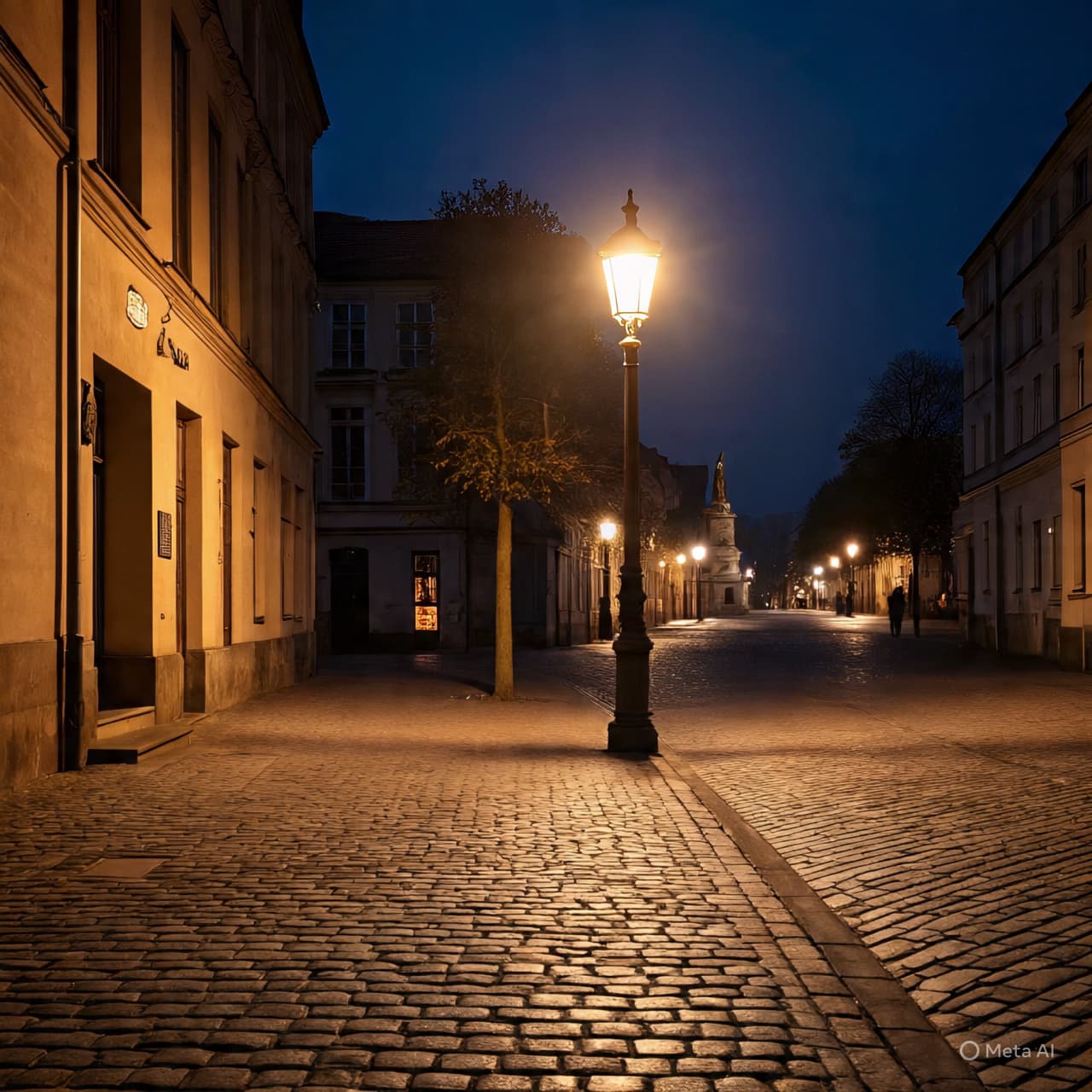
Berlin's urban landscape has recently been marred by a series of alarming arson attacks that have transformed the city's quiet nights into scenes of chaos and destruction. As the sun sets and the streets quiet down, the scent of burning plastic and scorched metal has replaced the usual comforting aroma of woodsmoke. Parked cars, once symbols of personal freedom and mobility, have become the targets of a mysterious arsonist, leaving behind charred remains that tell a story of violence and fear.
The Berlin police are currently investigating these incidents, which have occurred across various neighborhoods, including the leafy streets of Zehlendorf and the industrial outskirts of Wedding. Each fire appears to follow a specific pattern, suggesting a calculated approach rather than random acts of vandalism. Witnesses have been scarce, and the investigation is complicated by the fleeting nature of fire, which leaves little evidence behind. As investigators sift through the debris, they are searching for chemical signatures that might connect the scenes of destruction.
The psychological impact of these attacks on the community cannot be understated. Residents are left feeling vulnerable, as the safety of their neighborhoods is threatened by an unknown assailant. The police have increased patrols, with officers walking the streets at night, flashlights in hand, hoping to catch a glimpse of the arsonist before another fire can ignite. The community response has been one of cautious cooperation, with neighbors keeping a watchful eye on their surroundings, sharing information, and reporting any suspicious activity.
In the forensic labs, experts are meticulously examining the remnants of the fires, looking for clues that could lead to the identity of the perpetrator. Each piece of melted debris is a potential key to understanding the motives behind these attacks. Investigators are considering a range of possibilities, from political statements to acts of nihilism, but the precision of the fires suggests a deeper connection to the city itself. The arsonist seems to navigate the urban landscape with an intimate knowledge of its layout, raising questions about their identity and intentions.
Berlin has a rich history of resilience and transformation, yet these recent events have struck a nerve in a city that prides itself on its safety and community spirit. The police have appealed to the public for any information, urging residents to report even the smallest details that could aid in the investigation. As the city holds its breath, waiting for the dawn to bring a reprieve from the threat of fire, the hope is that the next night will be one where the only lights are the stars shining above.
The impact of these arson attacks extends beyond the physical damage to vehicles; they represent a violation of the sense of security that residents have come to expect in their daily lives. The sight of a burned-out car on a pristine sidewalk serves as a stark reminder of how quickly normalcy can be disrupted. As the investigation continues, the focus will not only be on the physical destruction but also on understanding the motivations behind these acts of violence, seeking to restore peace to the streets of Berlin.
Published by Banx Network. This article is part of the Banx decentralized media programme, powered by the BXE token on the XRP Ledger.



