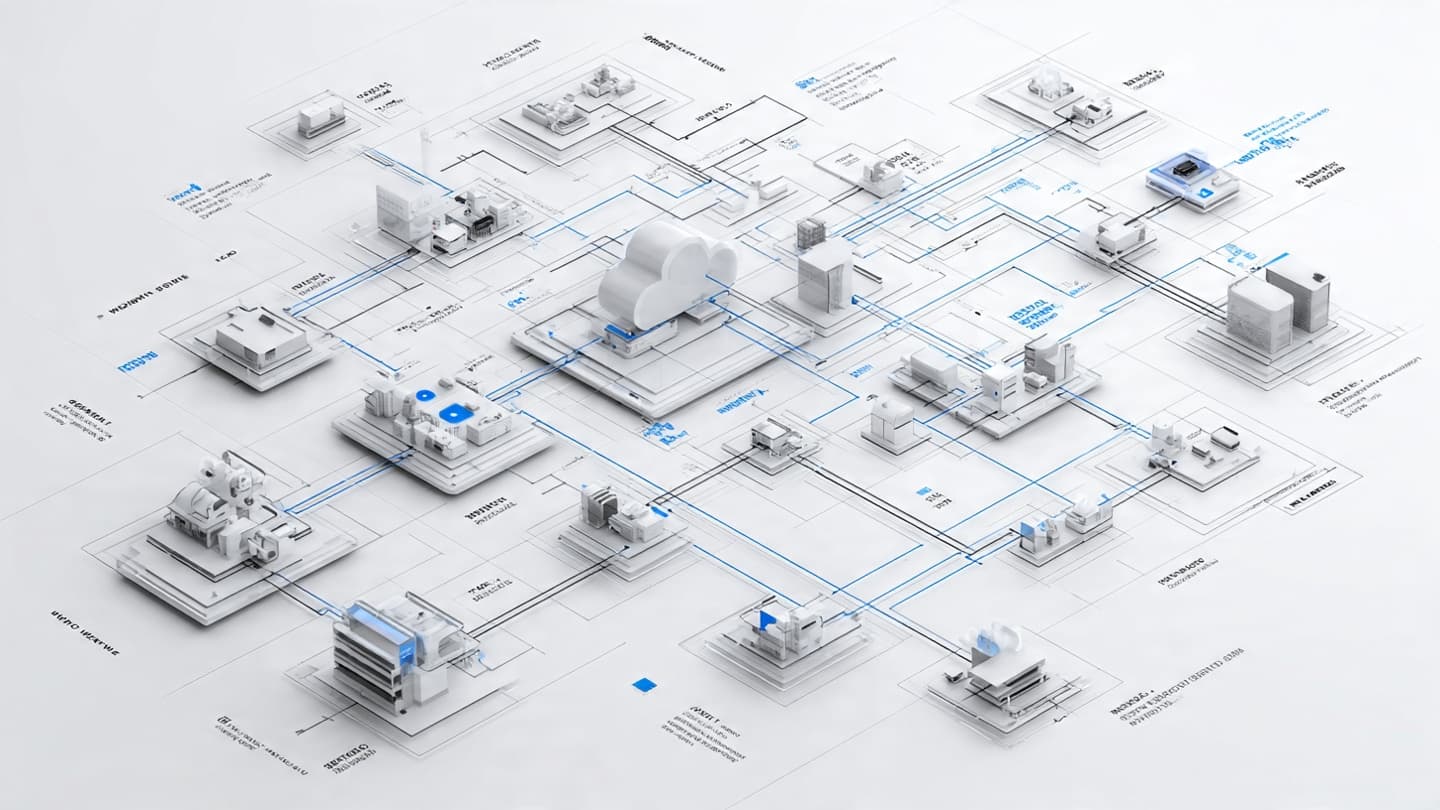
For decades, the cloud has been the central hub of digital processing. Data was sent from devices to massive data centers, processed, and then sent back. This model enabled powerful applications but introduced latency and bandwidth issues. Now, a shift is underway: computing is moving to the "edge." Edge computing processes data locally, on the device itself or nearby servers, rather than in a distant cloud. This decentralization is crucial for applications requiring real-time responses, such as autonomous vehicles, industrial robotics, and augmented reality. It represents a fundamental rearchitecture of the internet, bringing intelligence closer to the source of data.
The primary driver for edge computing is speed. In scenarios like self-driving cars, milliseconds matter. Sending data to the cloud and waiting for a response is too slow for safe navigation. By processing sensor data locally, vehicles can make instant decisions. Similarly, in manufacturing, edge devices can detect equipment anomalies in real-time, preventing costly breakdowns. This low-latency capability unlocks new possibilities for automation and interaction that were previously impossible.
Bandwidth efficiency is another key benefit. With billions of IoT devices generating vast amounts of data, transmitting everything to the cloud is expensive and inefficient. Edge computing filters and processes data locally, sending only relevant insights to the central system. This reduces network congestion and storage costs. It makes large-scale IoT deployments more viable and sustainable.
Security and privacy are also enhanced. By keeping sensitive data local, the risk of interception during transmission is reduced. Personal information from smart home devices or health monitors can be processed on-device, ensuring greater privacy compliance. This localized approach aligns with growing regulatory demands for data sovereignty and protection.
However, managing edge infrastructure is complex. Unlike centralized cloud servers, edge devices are distributed, diverse, and often located in harsh environments. Ensuring consistent performance, security updates, and maintenance across thousands of nodes is a logistical challenge. Standardization and robust management tools are needed to simplify operations.
Moreover, the hardware requirements are different. Edge devices need to be powerful enough to run AI models but small and energy-efficient enough to fit in various contexts. Advances in chip design, such as specialized AI accelerators, are enabling this balance. The development of lightweight algorithms is also crucial for efficient local processing.
As we look to the future, the edge will become increasingly intelligent. 5G networks will facilitate faster connectivity between edge devices and the cloud, creating a hybrid architecture. This synergy will enable seamless experiences, from immersive gaming to smart city management. The boundary between device and cloud will blur, creating a continuum of computing power.
In the end, the move to the edge is about responsiveness and resilience. It empowers devices to act independently while staying connected. By distributing intelligence, we create a more robust and agile digital ecosystem. The future of computing is not just in the cloud; it is everywhere around us.
Published by Banx Network. This article is part of the Banx decentralized media programme, powered by the BXE token on the XRP Ledger.