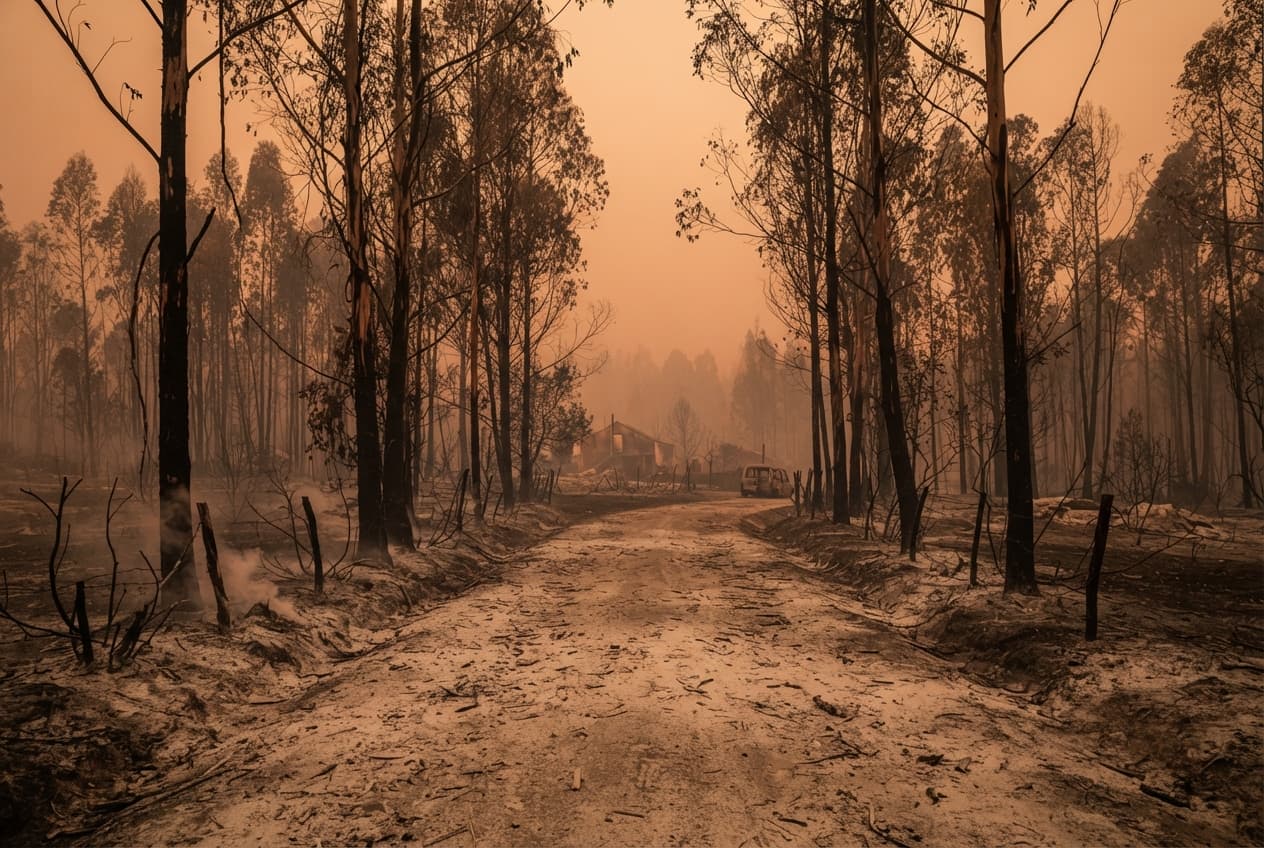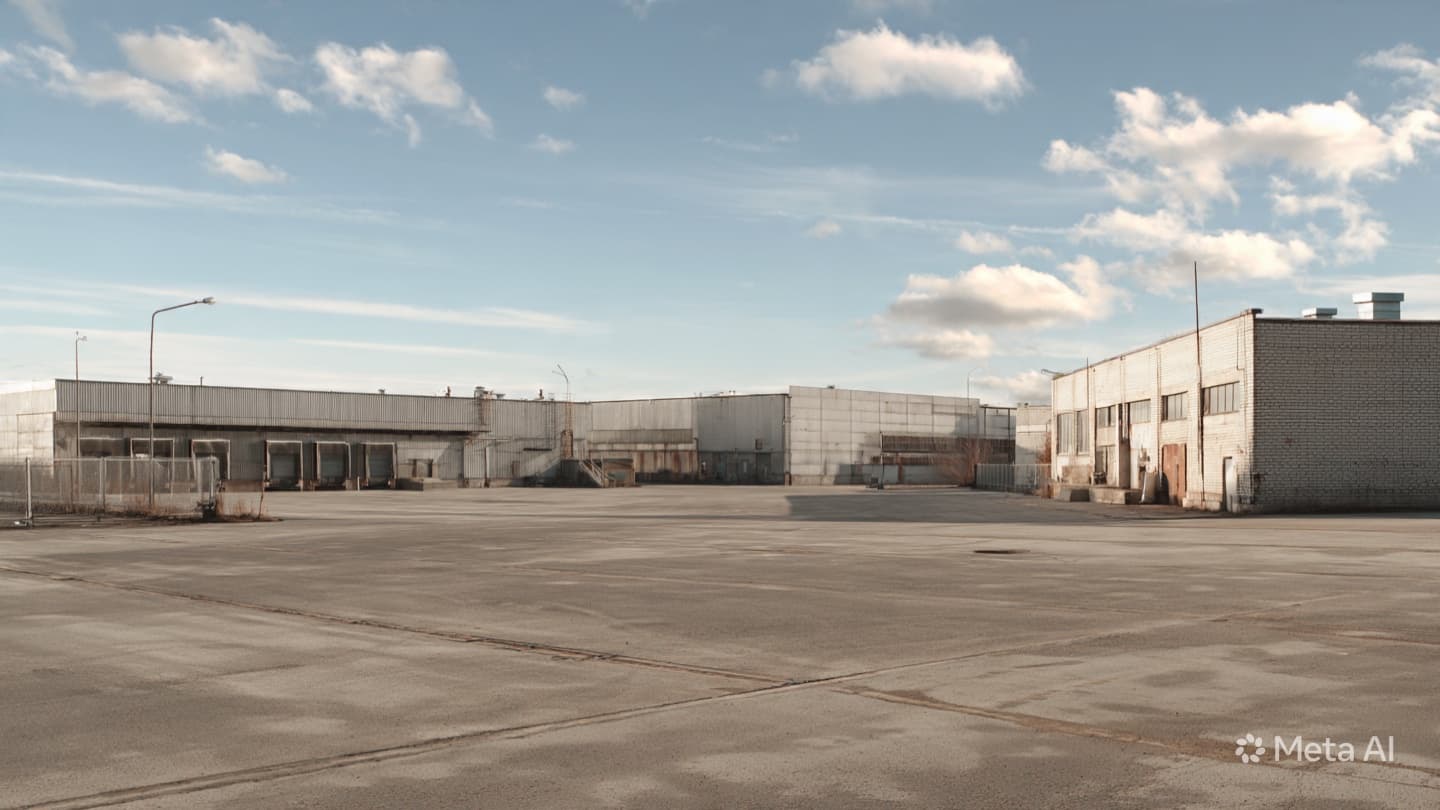
The warehouse districts of Tallinn are the backbone of the city’s industrial life, places of constant activity, logistical movement, and the quiet, structured hum of commerce. These buildings are designed for the storage and transit of goods, serving as the essential infrastructure for a modern, globalized economy. When a severe explosion, triggered by a gas leak, shatters this calm, the transition from the orderly function of the warehouse to a scene of active, kinetic destruction is both sudden and profoundly disorienting, forcing the community to confront the inherent risks of the industrial environment.
The one life lost, and the several workers injured, transform the warehouse from a site of utility into a place of profound, somber finality. For those who worked there, the incident was an abrupt, devastating rupture in the daily rhythm of their profession. The explosion, which ripped through the structure with such overwhelming power, leaves behind a landscape of twisted metal and debris, a stark, chilling reminder of how quickly the managed space of the warehouse can be dismantled by a failure in the underlying systems of energy and containment.
The emergency services, their efforts marked by the urgent, piercing wail of sirens and the dramatic scene of smoke and structural damage, move through the site with a disciplined, high-stakes intensity. Their work is a testament to the dedication required to secure such a volatile environment, as they attempt to stabilize the building and attend to the injured. For the responders, the site is a focal point of intense, tragic clarity, a place where the forward-looking, productive purpose of the warehouse has been temporarily halted by the sudden, heartbreaking intrusion of a disaster.
Reflecting on the explosion, one is struck by the vulnerability of the industrial landscape within the heart of the city. We build our logistics networks with the confidence of planners and engineers, assuming that the systems of gas, electricity, and storage are holding firm. When that integrity is breached, the consequence is a redefinition of the entire district. It is a reminder that the warehouse, for all its structural size and institutional importance, is a site of constant negotiation between human productivity and the technical systems that enable it, a balance that can, on rare and terrible occasions, falter.
The investigation into the cause will proceed with the meticulous detail required of such an event, examining the gas lines, the ventilation protocols, and the safety records of the facility. This is the necessary, analytical work of the city, a way of trying to make sense of the rupture and to ensure that the risk of such a tragedy is minimized in the future. Yet, for the families and the colleagues of the workers, the technical findings will remain secondary to the immediate, emotional weight of the loss, a feeling that will persist long after the rubble has been cleared.
There is a sense of communal mourning that begins to take hold as the reality of the fatality settles over Tallinn. The loss of a worker is a loss of a specific, defined history, a hole in the fabric of the workplace that cannot be filled by the simple restoration of the physical space. The community gathers in the quiet, reflective spaces of the city, acknowledging the fragility of their own existence and the importance of the safety standards that protect them, even in the shadow of such sudden, incomprehensible grief.
As the sun sets over the industrial skyline of Tallinn, there is a quiet, somber recognition of the event’s finality. The process of healing will be slow, involving the reconciliation of the workforce with its altered reality. It is a testament to the resilience of the city that it will, in time, move forward, but the memory of the day will remain, a quiet, flickering presence in the consciousness of the city, a reminder of the fragility of the peace we work so hard to maintain.
Ultimately, the event serves as a call for a renewed focus on safety and the importance of regular maintenance in our most vital, industrial spaces. The city will continue to pulse with its usual rhythm, but the lesson of the explosion will linger, a quiet warning about the risks that reside beneath the surface of our daily work. As we return to our jobs, we do so with a heightened sense of awareness, a renewed appreciation for the security we take for granted, and a somber, reflective regard for the life that was lost in the collapse of the walls.
Authorities in Tallinn have confirmed a fatal warehouse explosion resulting from a gas leak. The incident caused significant structural damage and left several workers with injuries. Emergency crews successfully contained the scene and initiated a search and rescue operation. A formal investigation into the safety protocols and the source of the gas leak has been launched by national safety regulators, who are working with local law enforcement to determine the chain of events.
Published by Banx Network. This article is part of the Banx decentralized media programme, powered by the BXE token on the XRP Ledger.