On the cobblestone avenues of Sofia and across towns from Plovdiv to Burgas, a gathering wind of youthful energy has stirred something deep within Bulgaria’s political landscape. In recent weeks, tens of thousands of demonstrators—many of them young people of Generation Z—marched, chanted, and held aloft signs calling for accountability, transparency, and a government that reflects the hopes of a new era. What unfolded was more than protest; it was a collective reckoning that helped shape a pivotal moment in the nation’s political rhythm.
This past week brought a dramatic culmination of those demonstrations: Prime Minister Rosen Zhelyazkov and his coalition government resigned just ahead of a no-confidence vote in parliament. The announcement came less than three weeks before Bulgaria’s planned entry into the eurozone, underscoring how profound the domestic pressures had become. Lawmakers voted unanimously to approve the resignation, a gesture that both acknowledged the scale of public discontent and deepened the current chapter of political uncertainty.
The initial spark for the unrest was a controversial draft budget for 2026, which included proposals to raise social security contributions and taxes—moves many saw as unduly burdensome on ordinary citizens. Young Bulgarians were among the first to vocalize their frustration, not only with the immediate economic proposals but with longstanding perceptions of corruption, entrenched political influence, and a lack of meaningful opportunities for their future. Demonstrations swelled into a nationwide movement, drawing large crowds in central squares and catalyzing pride and purpose among participants.
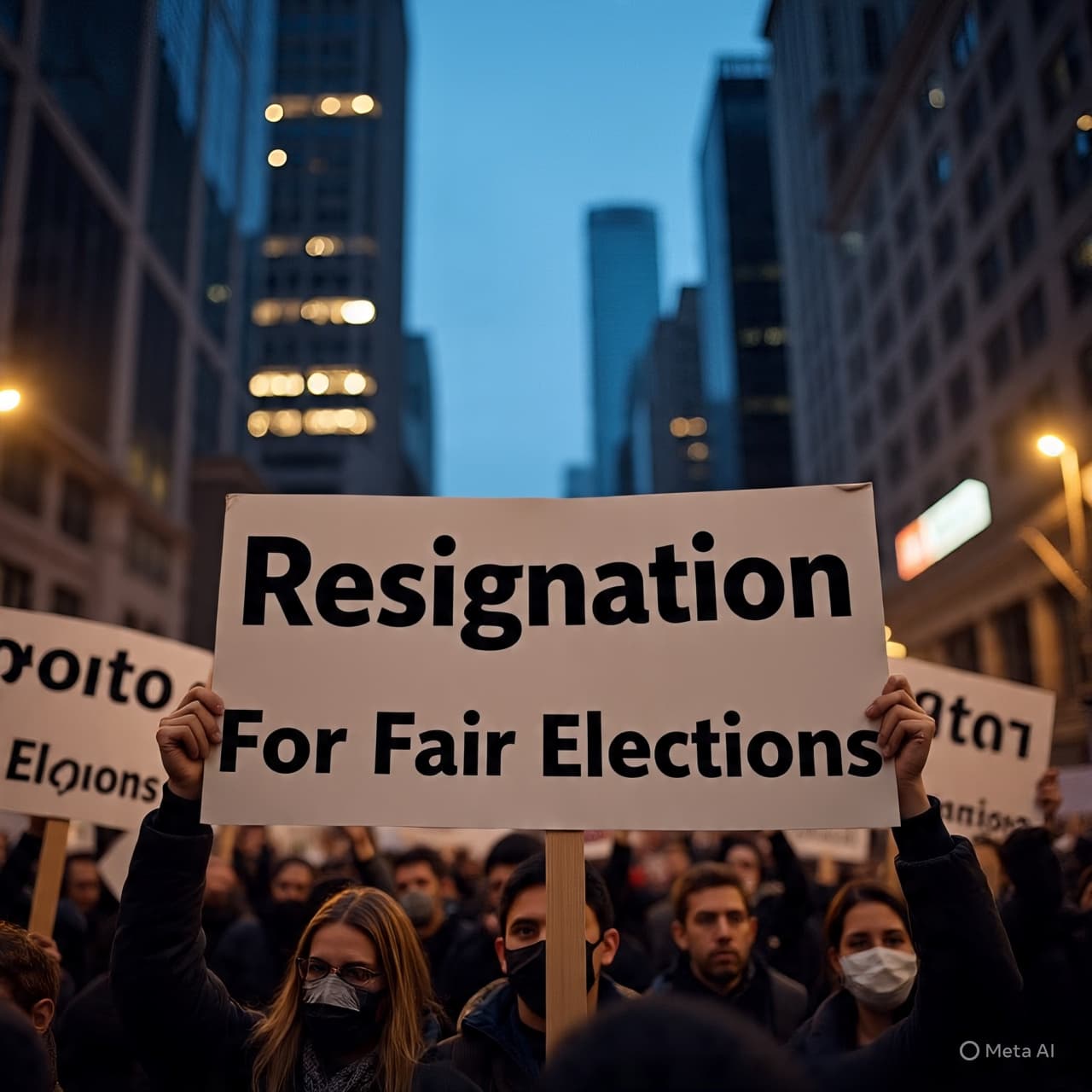
Generation Z’s involvement has been particularly notable for how it blended both traditional street activism with digital connectivity. Organizers used social media platforms to coordinate marches and share messages, helping unify voices across cities and regions. Their imagery—slogans on walls, projection messages on the parliament building, and a persistent pulse of youth presence—gave visual shape to their demands and underscored a generational urgency seldom seen in prior waves of protest.
For many young Bulgarians, the streets were not merely a venue for frustrated energy, but a space for envisioning a different political narrative—one where transparency and civic engagement could outpace cynicism and stagnation. The scale of the turnout, reportedly upwards of 100,000 in Sofia alone, spoke to a widespread sense that institutional inertia needed to be challenged.
Political commentators and citizens alike have reflected on what this moment means for Bulgaria’s trajectory. Some see it as a fresh chapter in a long pattern of instability; others see the involvement of Gen Z as a sign of rejuvenated civic identity. In a nation that has endured multiple elections and coalition collapses in recent years, the young protestors’ visible influence marks a noteworthy development in how public opinion and political momentum intersect.
As the government transitions into a caretaker role and discussions begin about forming a new administration, the echo of these demonstrations remains present. President Rumen Radev has been tasked with initiating consultations that could lead to new elections, a process likely shaped by the persistent voices that helped tilt the political balance.
It was, in many ways, a quiet kind of revolution: not defined by upheaval alone, but by a generation willing to step forward and assert its stake in the country’s future. As Bulgaria navigates both its economic integration into the eurozone and its evolving democratic rhythms, the imprint of this moment—underlined by youthful presence and persistent pressure—will likely be part of its story for years to come.
AI Image Disclaimer “Visuals are created with AI tools and are not real photographs.”
Sources (Media Names Only) Associated Press Reuters France 24 El País Polskie Radio English Section
Published by Banx Network. This article is part of the Banx decentralized media programme, powered by the BXE token on the XRP Ledger.