

Key Highlights
- Six civilians injured in a cluster munitions strike in central Israel.
- Israel Defense Forces confirm retaliatory strikes on Iranian infrastructure.
- International concerns grow over civilian safety amid escalating conflict.
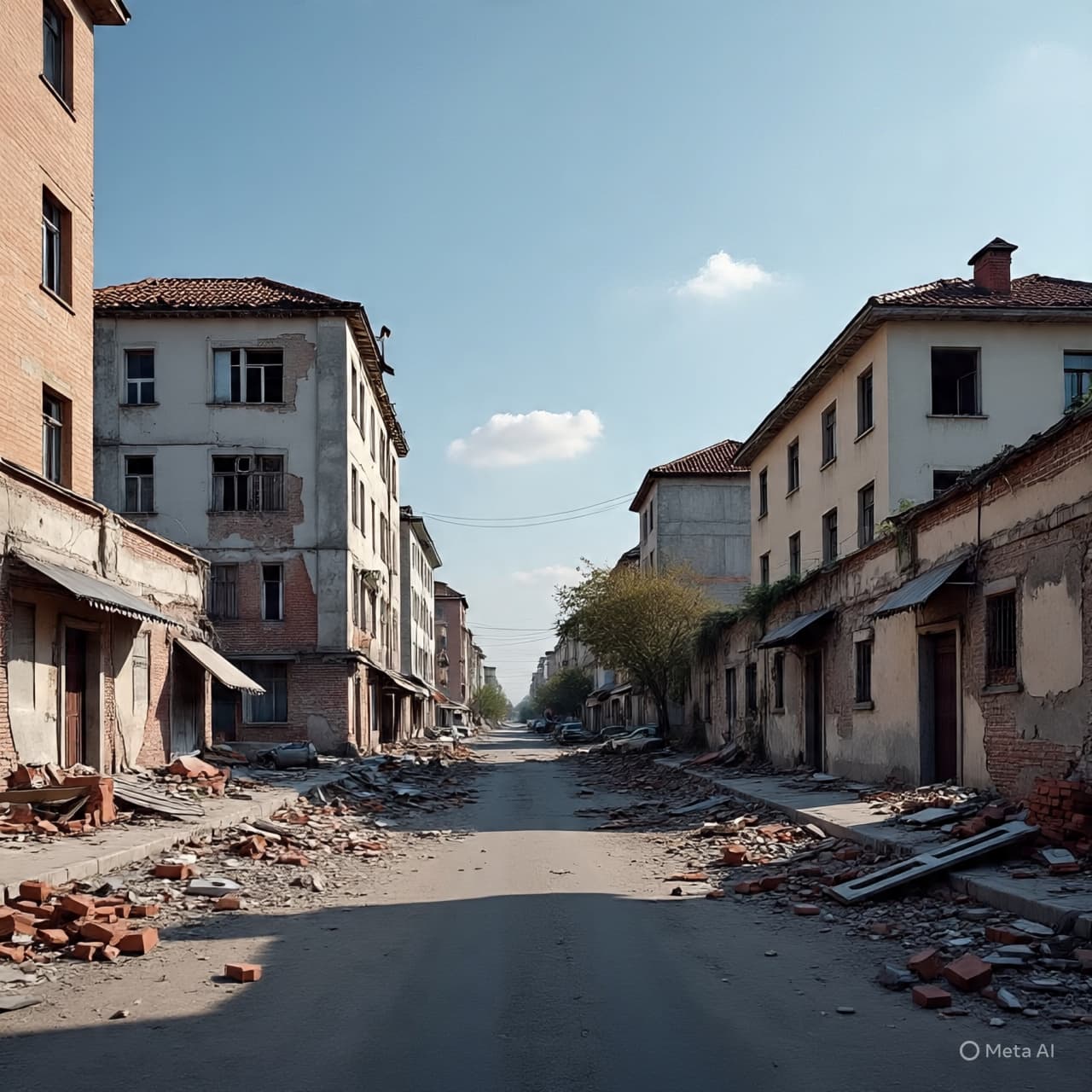
In a shocking escalation of violence, six individuals were reported injured in central Israel following a cluster munitions strike that targeted residential areas. The explosions caused significant damage to homes, scattering debris and disrupting the lives of residents who had previously enjoyed a semblance of normalcy. Emergency services quickly mobilized, transporting the injured to nearby medical facilities while assessing the extent of the structural damage.
Witnesses described chaotic scenes as residents sought shelter amidst the aftermath of the blasts. The use of cluster munitions, which disperse multiple smaller explosives over a wide area, has raised longstanding international concerns due to their indiscriminate nature and the heightened risk they pose to civilian populations. Such munitions are particularly devastating when deployed in populated areas, amplifying the humanitarian consequences of armed conflict.
In response to the attack, the Israel Defense Forces (IDF) confirmed that they conducted retaliatory strikes targeting Iranian infrastructure. Military officials stated that these operations were aimed at strategic sites linked to ongoing hostilities, emphasizing their commitment to reducing future threats. This counteraction reflects a broader pattern of escalation, where each strike leads to further retaliatory measures, complicating the already volatile situation in the region.
Analysts have noted that the proximity of military actions to civilian areas adds layers of complexity to the conflict. Decision-makers face increased pressure as military objectives must be balanced against humanitarian considerations. The potential for civilian casualties complicates operational decisions and raises ethical questions about the conduct of warfare in densely populated regions.
International reactions have echoed concerns regarding the protection of civilians and the risks associated with escalating military tactics. Calls for restraint have emerged from various global leaders and organizations, though their effectiveness remains uncertain in the face of ongoing hostilities. The situation underscores the urgent need for diplomatic efforts to de-escalate tensions and protect vulnerable populations caught in the crossfire.
For those directly affected by the violence, the experience transcends strategic calculations; it is a matter of survival. Homes, once symbols of safety and stability, now serve as stark reminders of vulnerability in a conflict that shows no signs of abating. As the situation continues to evolve, the focus remains on whether further escalation can be contained, with the echoes of the blasts resonating through the lives of those impacted.
Published by Banx Network. This article is part of the Banx decentralized media programme, powered by the BXE token on the XRP Ledger.




